The Faintest Flashes Ever Seen by Human Eyes
“Dude, no way!” Artemis II commander Reid Wiseman shouted when rocks started slamming into the Moon in front of him. As the Orion capsule swept past the lunar far side, Wiseman and two crewmates watched five pinprick flashes of light bloom on the dark surface — rocks vaporizing as they struck, each witnessed by the naked human eye. According to Space.com, which covered the mission’s first science results this week, the crew marked each strike by hand on a tablet while mission control’s science team literally jumped for joy back in Houston.
The observations are part of the largest release of human-gathered lunar science in over half a century. On October 7, NASA posted more than 800 gigabytes of Artemis II data to its public Planetary Data System archive: over 11,000 full-resolution photos and videos, 8.5 hours of crew audio, handwritten annotations, and a 130-page preliminary science report released October 8. As NASA’s announcement notes, this is the first planetary science dataset captured primarily by human observers in more than 50 years.
The flashes were spotted while Orion was about 46,000 miles from the Moon, on the unlit far side during a planned communications blackout. Scientists estimate the rocks were only grape-to-walnut sized. The crew considered every alternative — cosmic rays striking their optic nerves, sunlight glinting off thruster particles — before NASA confirmed them as genuine impact flashes. “It was not sun glint off a particulate from the thrusters or the purge tanks,” Wiseman told Houston. “It was definitely impact flashes on the moon.”
The Moon Isn’t Gray
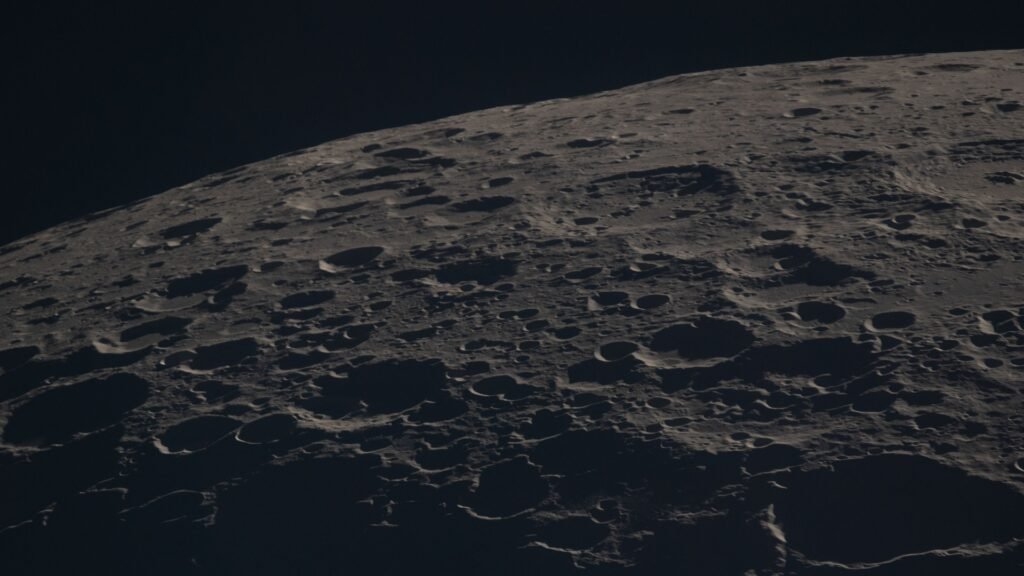
The flashes made the headlines, but the crew’s eyes caught something subtler: color. The Moon looks gray from Earth, but the astronauts described grays, blacks, browns, tans, whites, greens and even blues across volcanic plains and crater rims. Space.com reports that Christina Koch described the Aristarchus Plateau’s yellow tones as “like a jaundiced cheek of the moon” — volcanic glass deposits left by ancient eruptions, a possible signpost toward mineral-rich terrain for future crews.
The crew also became the first humans in history to see a section of the lunar far side illuminated. Crossing the terminator — the razor line between lunar day and night — they watched shadows snap into high relief across the topography. “The terminator is the most striking thing that I’ve seen so far,” pilot Victor Glover said as they flew past, while Koch gasped at backlit mountains she could actually see.
Why this matters: the next footprints are watching this data
Here is what the commodity coverage skips: this isn’t nostalgia, it’s reconnaissance. As Nature noted, the preliminary report also documents how treacherous the view was — as lighting shifted, the astronauts’ perception of the surface shifted with it, sunlight at times overwhelming their vision. For Artemis III crews who will actually land and walk, misjudging a crater or boulder because the light lied is a mission-ending hazard. Both the United States and China plan surface missions, and this dataset is already shaping the navigation playbook.
There’s a second angle nobody is covering: the flashes were too fast for any camera to catch. Trained human eyes — calibrated in terrestrial craters and simulated flybys before launch — were the instrument. That’s the quiet vindication of the whole Artemis science model: robots have mapped the Moon for decades, but some observations still require a person looking out a window.
And you don’t need a spacecraft to join in. NASA runs a citizen-science Impact Flash project asking amateur astronomers to watch the Moon’s dark side and log the same pinprick strikes the crew saw. The smallest rocks in the solar system are still hitting the Moon tonight — the astronauts just proved someone should be watching.
Meanwhile in Space:
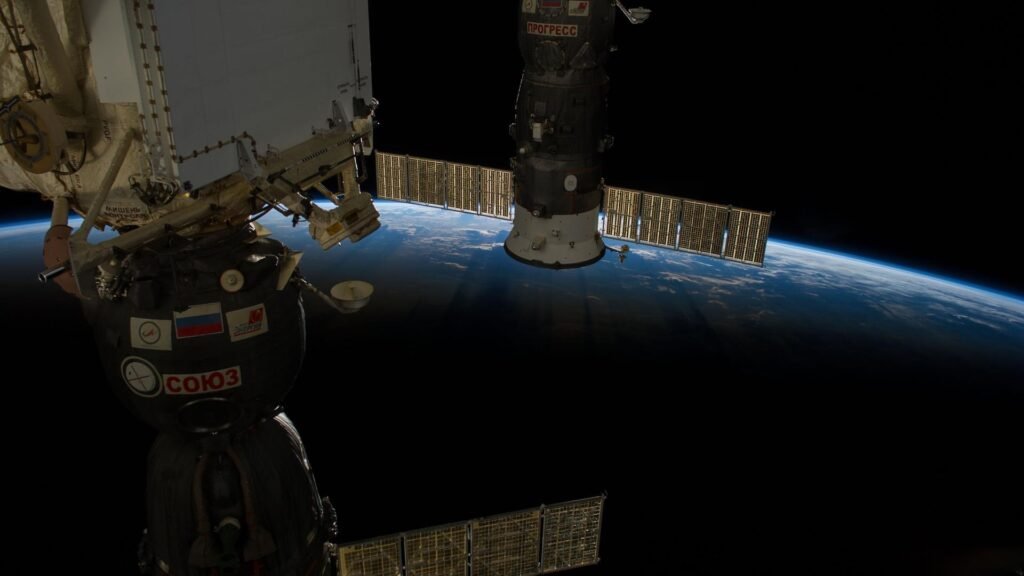
Also this week: NASA opened bidding for the ISS’s private successor — the final RFP for commercial space stations, with bids due December 8.