75 Days, 11,000 Miles, One Scorched Ship
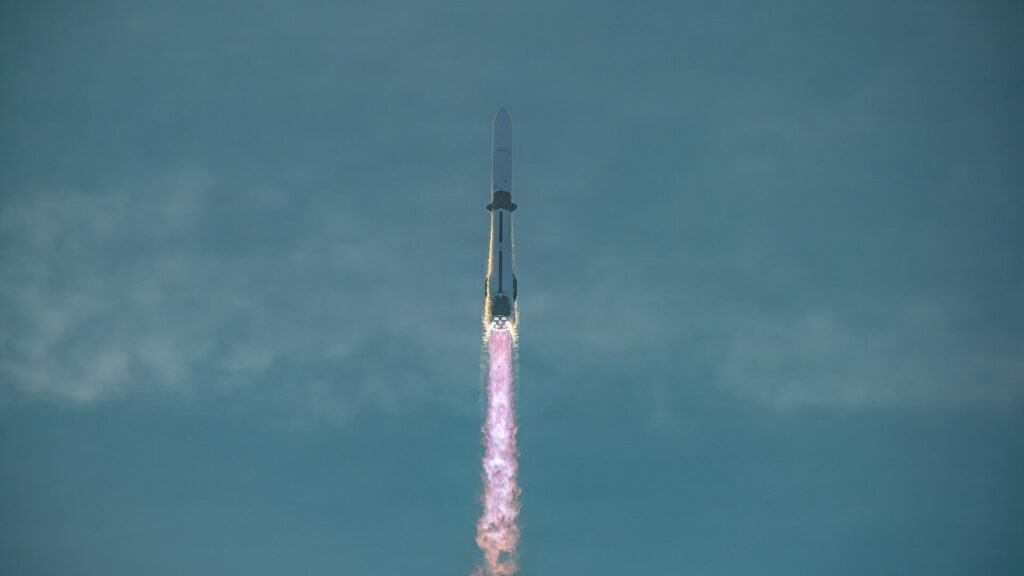
SpaceX’s Ship 40 is back where it was built. The Starship upper stage sailed into the Port of Brownsville, Texas, aboard the heavy-lift vessel Forte on October 7 — 75 days after lifting off from Starbase on July 24 and splashing down intact in the Indian Ocean. As Florida Today reports, photographers and space enthusiasts crowded the port early that morning to watch the 171-foot-tall vehicle come home — the first Starship SpaceX has ever recovered from the ocean.
Ship 40 flew on Flight 13 — “lucky Flight 13,” as SpaceX calls it — and did something no Starship had done before: after deploying its Starlink satellites, it performed a soft splashdown in the Indian Ocean. No explosion. The ship simply tipped over and bobbed in the sea, trailing what Florida Today described as “just some flames.”
The Recovery Nobody Expected to Work
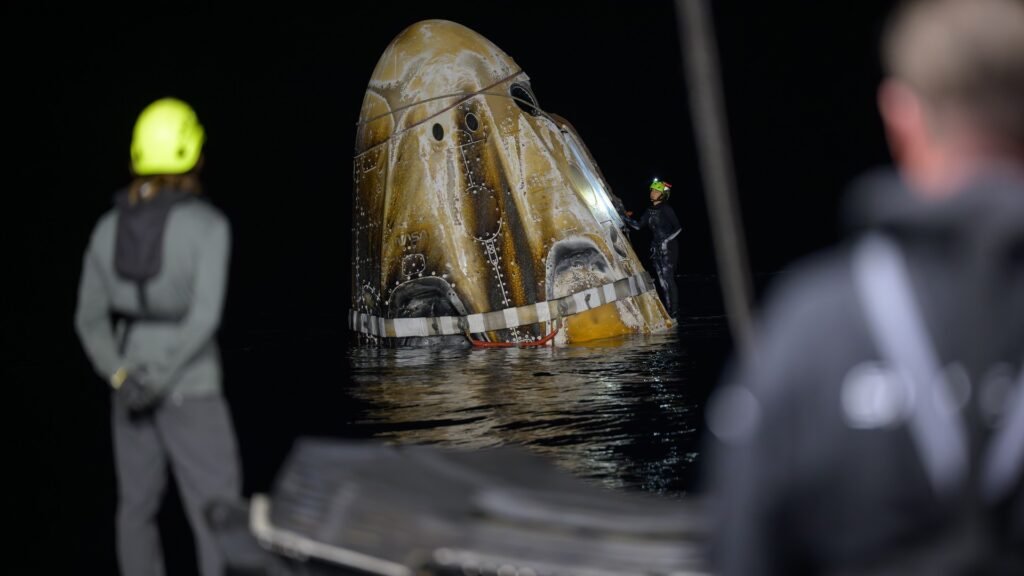
SpaceX’s own people didn’t think this would happen. The company said it never expected the vehicle to be retrievable, and Elon Musk posted on X that the recovery effort was “not looking good.” But crews spent more than three weeks stabilizing and towing the ship, and on August 18 it was spotted off Christmas Island — the Australian territory in the Indian Ocean — where it was hauled ashore. The Corpus Christi Caller-Times reports that by late August, Ship 40 was loaded onto the semi-submersible Forte for what SpaceX called “the several month journey back to Starbase” — roughly 11,000 miles.
The ship arrived battered. Seventy-five days of saltwater and open ocean left the hull scorched and weathered, but the vehicle came back essentially intact — a first. Offloading should run through October 12, after which Ship 40 goes by truck down Highway 4 to Starbase for a full forensic teardown: heat shield, structure, engines.
Why This Matters: A Flown Heat Shield Beats Telemetry
Here is what the straight-news rewrites miss: the recovery was never really about getting the ship back. It was about the heat shield. Every other Starship upper stage that has come home so far — on Flights 12 and 14 — exploded moments after splashdown. Ship 40 is the only Starship engineers have ever been able to lay hands on after a real flight. Telemetry tells you what the sensors felt; a recovered vehicle tells you what the hardware actually endured.
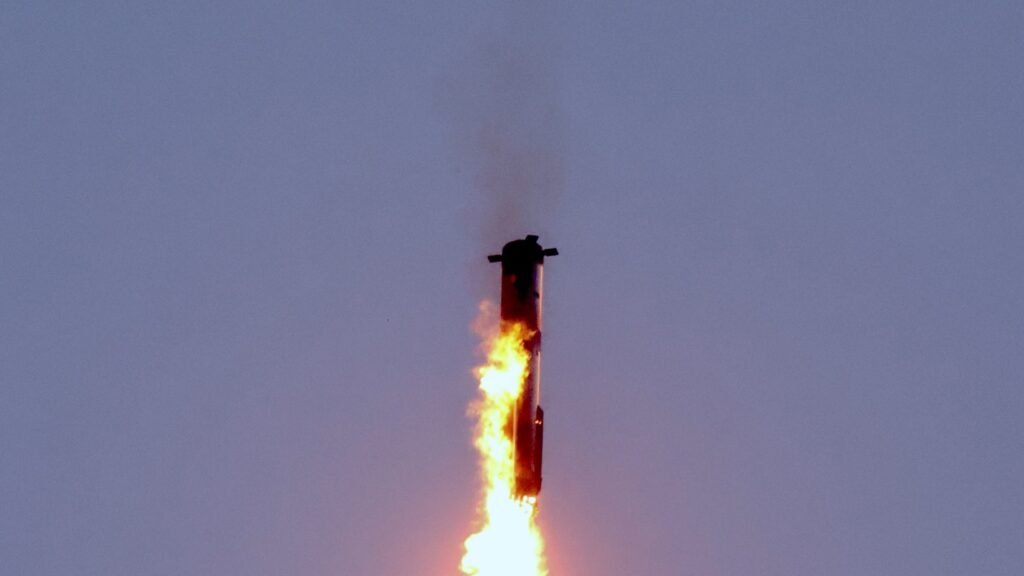
That distinction matters right now, because SpaceX is working toward catching Starship upper stages with the launch tower’s mechanical arms — and the margin between a catch and a fireball lives in the heat shield. The landing burn Ship 40 flew already resembled the maneuver a tower catch will demand. Engineers spent days offshore at Christmas Island pulling heatshield samples, and SpaceX said in August the reentry findings would shape future vehicles. A scorched, saltwater-beaten Ship 40 at Starbase is a library of answers the next ships will be built from.
The contrast with Flight 14 makes the point. On September 28, Starship reached orbit for the first time — the headline flight — but its upper stage ended in a fireball over the Pacific. The history-making flight left nothing behind to study. The “lucky” one did.
Watch Florida Next
What SpaceX does with Ship 40 long-term is still unknown — study it, display it, or strip it for parts. But the company is already moving Starship hardware east: its barge “You’ll Thank Me Later” has been spotted delivering infrastructure to the Cape, and last week a Starlink “pez dispenser” — the mechanism that deploys satellites from inside the ship — was loaded for transport to Florida. FAA documents and SpaceX’s own comments hint the first Starship could reach Kennedy Space Center’s Pad 39A — and possibly launch from there — by year’s end. As Florida Today notes, the Florida debut would be the program’s next milestone — and Ship 40’s heat-shield data may help it get there in one piece.
Meanwhile in Space: SpaceX just brought astronauts home too — Crew-12’s 237-day Dragon mission ended with a Pacific splashdown, the 12th straight Dragon rotation. And on the business side, Bezos is signaling a Blue Origin IPO — the space IPO race is officially on.