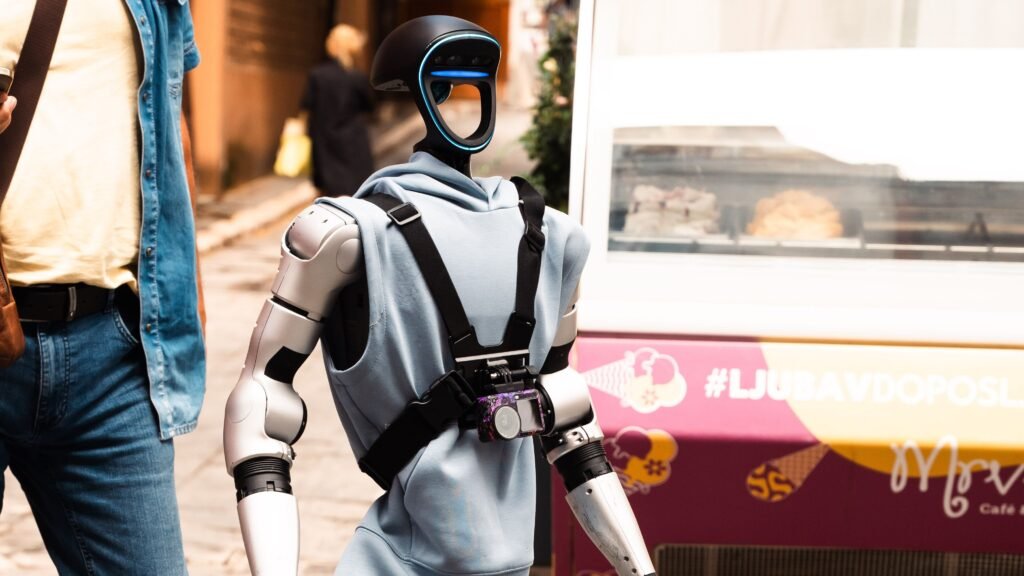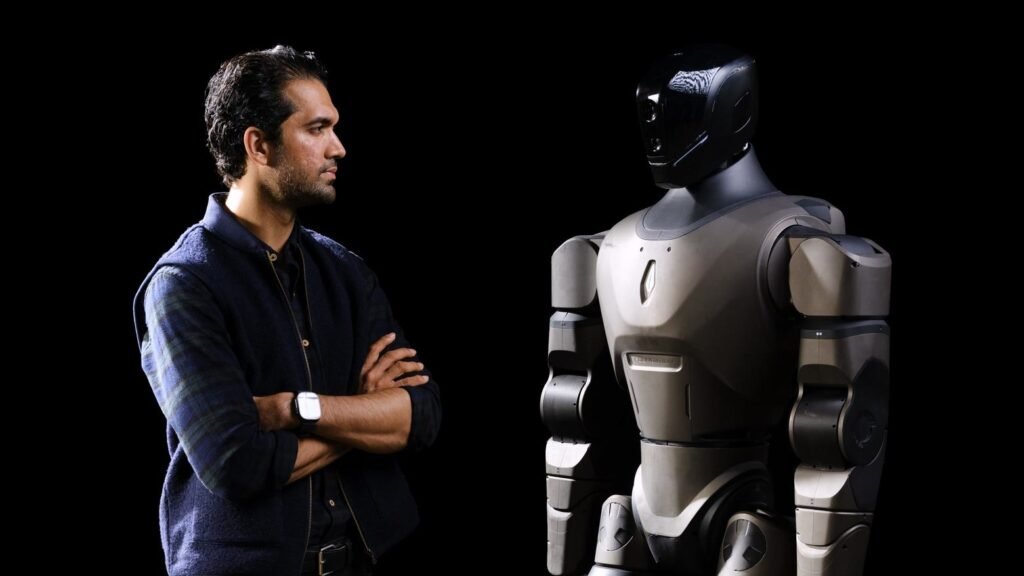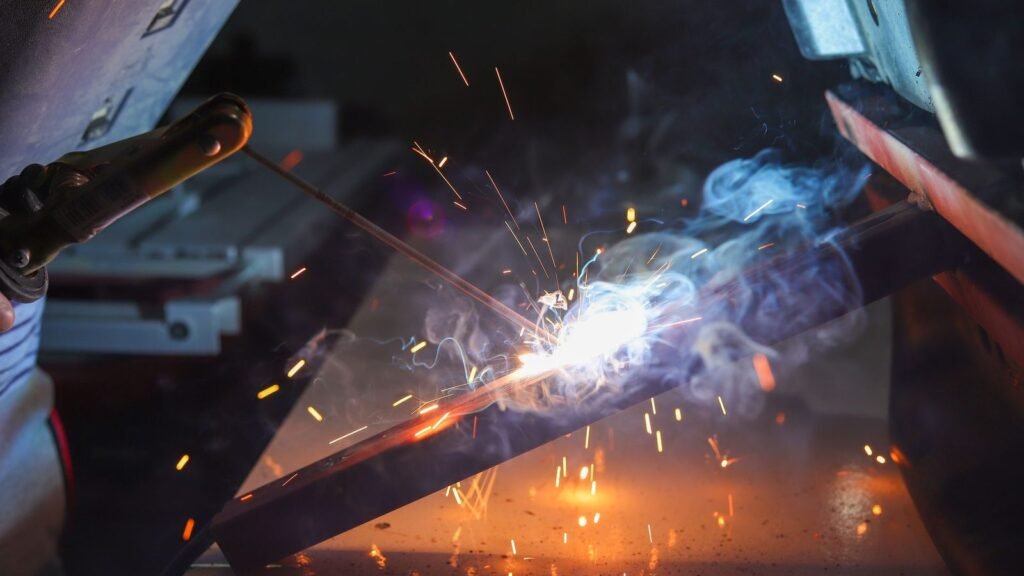
In a Korean shipyard, the newest welding apprentice is a humanoid robot — and its teachers are professional welders. Persona AI’s humanoids are now doing welding work at HD Hyundai’s shipyards, being trained on the job by the same welders whose trade they are learning, Seoul Economic Daily reports. The company expects its first commercial site by the end of the year.
The programme moved fast. HD Hyundai — the world’s largest shipbuilder — signed a joint development agreement in March 2026 with HD Korea Shipbuilding & Offshore Engineering, HD Hyundai Robotics and Houston-based Persona AI to demonstrate and commercialise a welding humanoid tailored to shipyards. Persona AI, founded in 2024, built its second-generation robot in May and shipped units to Korea in August for integration work. In September the system passed an enterprise-grade quality verification — a formal check that the work meets the standards a real customer would demand. HD Korea Shipbuilding has since set up a dedicated RX (Robot Transformation) Center to push physical AI into its yards, the Korea Herald reports.
The Hardest Job in the Factory
Welding is the job humanoid makers have mostly avoided. It demands precision in millimetres, steady hands in awkward positions, tolerance for heat, sparks and fumes, and the judgement to read a joint and adjust mid-bead. A shipyard adds scale: hulls the size of buildings, confined compartments, and work that moves as the ship takes shape. HD Hyundai Robotics is overseeing system integration and welding quality analysis, while HD Korea Shipbuilding supplies welding training data from actual field work — the robot learns from real welds, not simulations.
That is also why the shipyard matters more than the factory floor. Car plants are structured, repetitive and already heavily automated. A shipyard is the opposite: every vessel is different, the environment changes daily, and skilled welders are in short supply. Korea’s shipbuilding industry has been openly courting robotics for exactly that reason, and Persona AI is not its only bet — it also signed an agreement with steel giant POSCO in February for a proof-of-concept moving coils in steelworks.
Teleoperated for Now
The caveat is the story too. The welding the robots have done so far in public demonstrations has been teleoperated — controlled by a human operator — and no volume deliveries, revenue figures or headcount have been disclosed. Michael Patrick, Persona AI’s head of commercial strategy, told a RoboBusiness panel on October 21 that he expects the welding robot to reach commercial use around the end of the year, but a first commercial site late this year is a company expectation, not a signed deployment. If a named shipyard signs up and the robots weld without a human operator, the programme moves from demonstration to business.
Why This Matters
Humanoids are leaving the car plant. Boston Dynamics is sending Atlas into chip fabs, and now a startup founded two years ago has put a bipedal robot to work in the heaviest industry of all — welding steel in a working shipyard. The pattern to watch is not the robot but the training: professional welders teaching machines their trade, one bead at a time, is how a humanoid earns its keep in a job that cannot be faked in a demo video.
There is a harder question underneath the speed. The robots learn by watching people do dangerous, skilled work — and the value of that know-how now flows to whoever owns the training data. As robot training data becomes a billion-dollar input, the welders doing the teaching are the ones with the least leverage in the deal. The shipyard is where humanoids prove they can do real work. It is also where the terms of that work get decided.
Meanwhile in Robotics: Boston Dynamics is sending Atlas into chip fabs — and Hyundai’s RX team is pushing humanoids into its own factories.