Nine months ago, Humyn Labs did not exist. On November 18, the Bengaluru startup announced a $47 million Series A round to do something the humanoid robot industry suddenly cannot get enough of: film people doing ordinary things, label every hand movement, and sell the footage as robot training data.
The round breaks down as $26 million in equity led by Accel and $21 million in venture debt led by Lighthouse Canton, according to TechCrunch. It is a large bet on a company with 51 full-time employees and a product that, until recently, barely existed as a business: real-world footage of humans folding laundry, stacking boxes, and wiping counters, converted into training sets for robots that need to learn the same moves.
The Bottleneck Moved From Motors to Footage
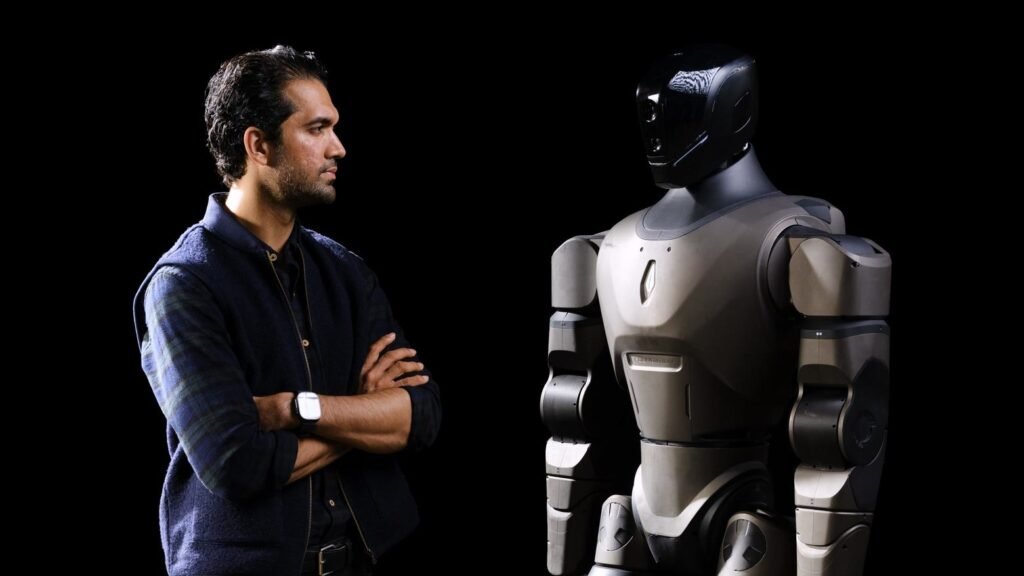
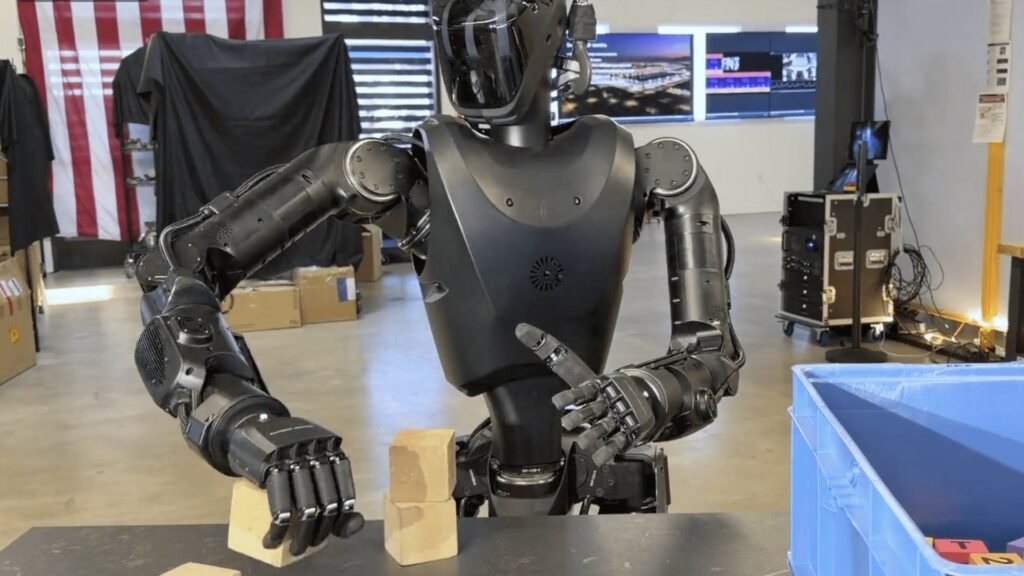
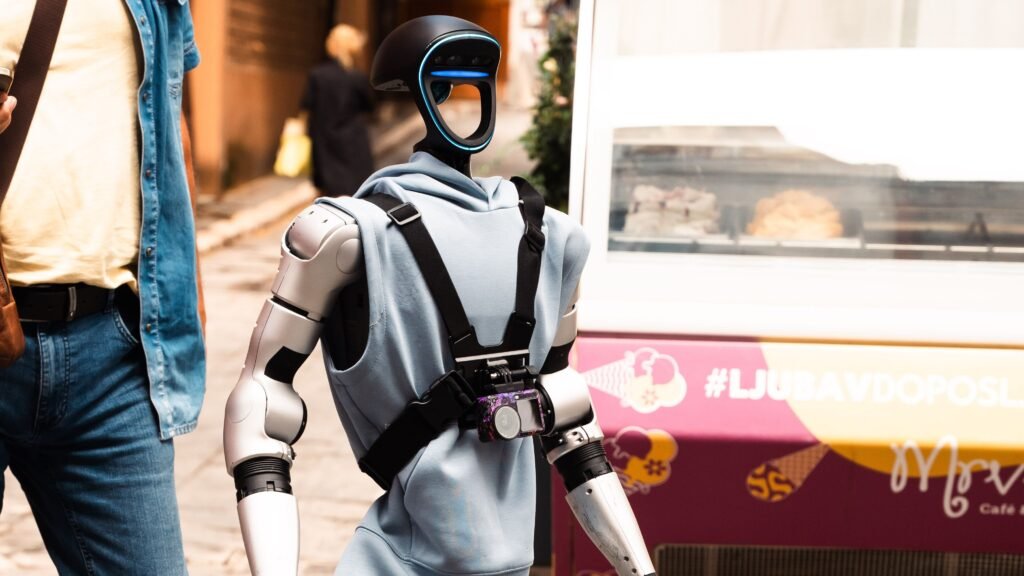
Every humanoid unveiled this month has the same problem. Atlas, Agile ONE, Gallop, and Eno can all walk, grip, and balance. But none of them knows how a person actually picks up a mug without dropping it. That knowledge lives in footage, and there is not enough of it. According to TechCrunch, Humyn Labs records people with its own two-camera hardware, then uses software to track hand movements and interactions with objects, turning raw video into labelled data an AI model can learn from.
The company collects across more than 20 countries in Latin America and Asia, with Brazil, India, and South Korea as its main hubs. Its founders, Manish Agarwal and Ishank Gupta, previously built Kratos Studios, now KGeN, a network of contributors across emerging markets — the same network that now helps Humyn Labs film inside people’s homes. Scale is the pitch. “Scale, diversity, and quality are important aspects, and they need to work in tandem,” Agarwal told TechCrunch.
Twelve Customers and a $50 Million Run Rate
The numbers explain the valuation. Humyn Labs says it has 12 paying customers, including frontier AI labs, robotics companies, and world-model developers, with about 90 percent of its revenue coming from the United States. It generated $10 million in revenue between April and October, has $20 million in signed contracts, and says a further $20 million in deals is yet to be finalized. According to The Robot Report, the startup passed a $50 million annualized revenue run rate within six months of operations — a pace that makes the $47 million raise look less like a gamble than a working-capital decision. Agarwal told TechCrunch the debt portion exists because Humyn Labs pays its workers and data partners daily or weekly but waits 30 to 60 days to be paid by its AI-lab customers.
The next step is physical: dedicated deployment centers the company calls “robot gyms,” where robots can be tested against real-world tasks before they ship to customers, according to Business Standard. The funding will also build deployment-readiness infrastructure in Brazil, South Korea, and India.
Why This Matters
The humanoid race has a new bottleneck, and it is not hardware. A year ago the constraint was actuators and batteries. Today it is labelled footage of human hands doing unglamorous work. Whoever controls the best robot training data decides which robots actually work outside a demo video — and right now a startup founded in February is selling that data to the same labs building the robots. The money is following the footage, not the metal.
There is a harder question underneath the growth. The data comes from filming people — often low-paid workers — inside their homes while they do their usual jobs and chores, and the practice has already raised questions about privacy and consent. Humyn Labs says it films people doing their usual work rather than staging activities, and works with local partners to supervise collection. But as robot training data becomes a billion-dollar input, the terms on which it is gathered will matter as much as the models it trains.
Meanwhile in Robotics: Boston Dynamics is sending Atlas into chip fabs — GlobalFoundries will be the first semiconductor maker to test the humanoid — and Foundation’s Phantom MKII promises to carry 200 pounds through rain and snow.