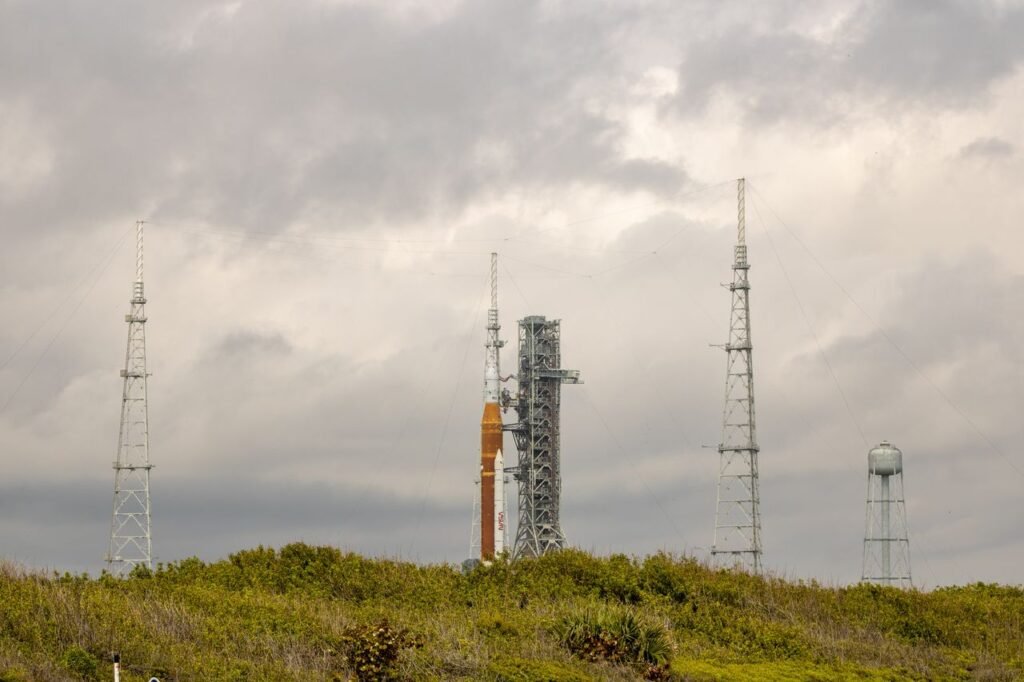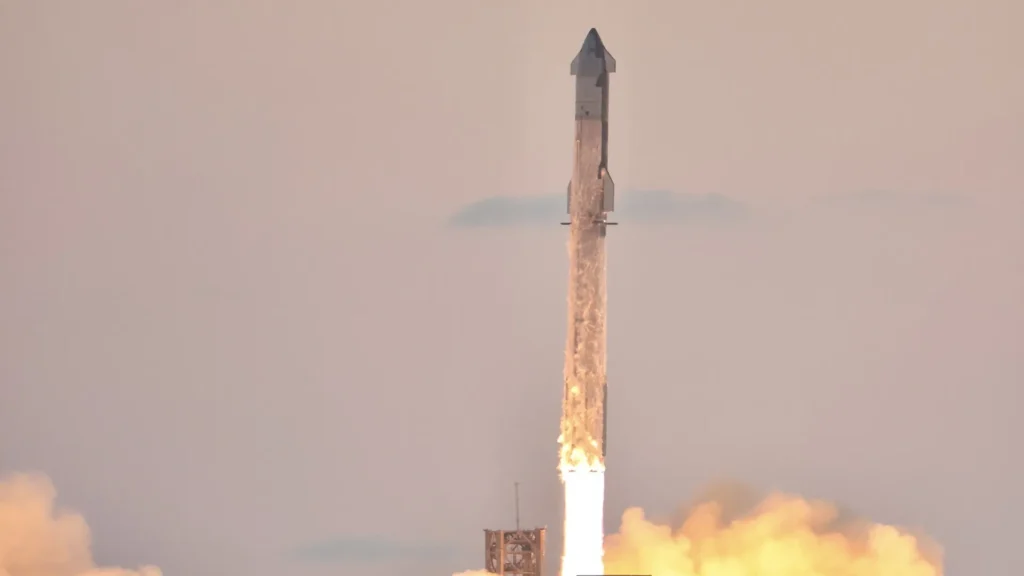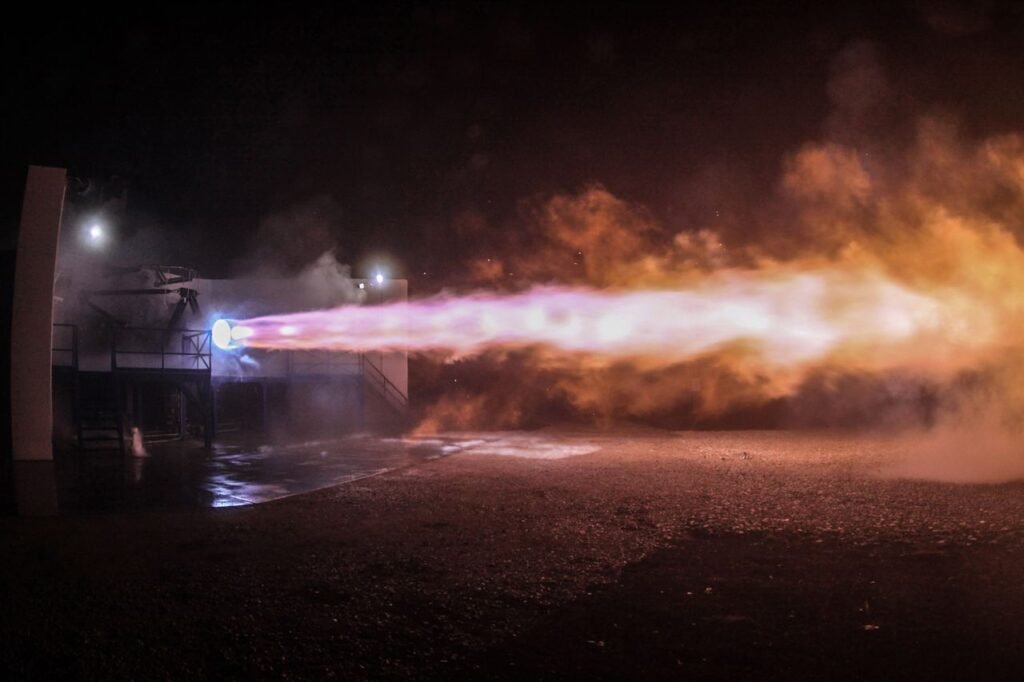
SpaceX has lit the fuse on its most ambitious Starship test yet. In the space of 48 hours, the company fired all 33 engines on the Flight 15 booster and put its upper stage through its own engine test, a two-vehicle sprint that sets up the first attempt to catch both halves of an orbital rocket with a launch tower.
Two Tests in 48 Hours
According to Aviation Week, SpaceX completed a full-duration, 33-engine static fire of the Super Heavy booster slated for Flight 15 on October 25 at Starbase, Texas, a burn lasting about 16 seconds. SpaceX called it a full-duration static fire for the booster preparing for Flight 15. The booster, Booster 22, is a Version 3 vehicle powered by Raptor 3 engines.
The 171-foot upper stage, Ship 42, then rolled out to the Massey test site on Monday for a single-engine static fire at 9:17 p.m. CDT, a day after the booster’s 8:22 a.m. CDT firing. Elsewhere at Pad 2, the launch tower lifted Booster 22 off the ground late that night in what appeared to be a catch rehearsal, and Ship 43, the Flight 16 upper stage, was moved to Pad 2 for what looked like another catch simulation.
The Catch No One Has Ever Attempted
Flight 15 is not just another test flight. As Space.com reported, SpaceX plans to attempt catching both the Super Heavy booster and, for the first time, the Starship upper stage with the tower’s giant mechanical arms, nicknamed chopsticks. SpaceX has already caught the booster three times, but no Ship has ever been caught. Every previous upper stage either splashed down in the ocean or was lost during flight.
Chief executive Elon Musk has called the double catch a profound milestone. On the company’s October 20 earnings call, he said success would mark the first time an orbital launch vehicle has been fully recovered, and rated the first attempt “more likely than not” to work.
What Still Has to Go Right
The weekend’s tests clear only the first hurdles, and several items remain genuinely unconfirmed. SpaceX has not announced a firm launch date for Flight 15, and no payload has been confirmed, though reporting suggests another batch of Starlink V3 satellites is possible. Musk has guessed a launch “a little bit before Thanksgiving,” and air-traffic planning slides point to no earlier than November 8, but neither is a confirmed SpaceX date.
Ship 42 still needs a full six-engine static fire and final checks before stacking on Booster 22. Regulation is also incomplete: the Flight 15-specific license was not public as of late October, though company president Gwynne Shotwell has said SpaceX expects its license to cover return-to-launch-site and tower-catch profiles for both stages, a harder ask than before because the ship must return over land, including northern Mexico.
Why This Matters
Most coverage of the static fire stopped at the fireball, but the real story is the timeline it reveals. Two vehicles tested within 48 hours, a booster catch rehearsal, and a second ship already doing catch simulations for Flight 16 add up to something bigger than one flight: SpaceX is rehearsing a campaign, not a stunt. Musk has said the next milestone would be reflying both stages, with Flight 16, possibly the first Starship launch from Florida, as the vehicle where “all parts of an orbital rocket are reflown.”
That is also why the ship catch matters more than the booster catch did. A reusable booster alone still leaves the ship that must survive orbital reentry as throwaway hardware. Catching it intact is the step that turns Starship into the fully reusable system NASA needs for Artemis, which requires orbital refueling demonstrations penciled in for early 2027. If the double catch works, the bottleneck shifts from “can we recover it” to “how fast can we fly it again.”
Meanwhile in Space: SpaceX’s Flight 14 reached orbit for the first time but ended early after an engine failure, and the dispute over how many refueling launches a moon mission really needs shows why rapid reuse is not optional for Artemis.