The global smartphone market just posted its ugliest quarter in 13 years — and the reason should worry anyone shopping for a phone this holiday season. Shipments fell 20% year over year in the third quarter of 2026, according to preliminary estimates from research firm Omdia, as soaring memory and storage costs forced brands to slash the low-margin budget phones that once filled carrier shelves.
20% down: the worst third quarter since 2013
The drop is a sharp acceleration from the 6% decline in the second quarter, Omdia said, and shipments even fell sequentially — despite Apple’s September launch of the iPhone 18 Pro and Pro Max, its debut foldable iPhone Duo, Samsung’s August Galaxy Z Fold8 and Flip8 launch, and the usual holiday-season channel stocking. Total third-quarter shipments hit their lowest level since 2013.
The culprit isn’t weak demand alone. “Persistent memory and storage cost pressures have constrained pricing flexibility and prompted vendors to scale back shipments of low-margin devices,” Omdia reported. When chips cost more, the first phones to die are the cheap ones. “For vendors competing primarily on affordability, protecting profitability without sacrificing shipment scale has become an increasingly difficult balancing act,” said Omdia senior analyst Lucas Zhong, LightReading reports.
Samsung and Apple now control nearly half the planet’s phones
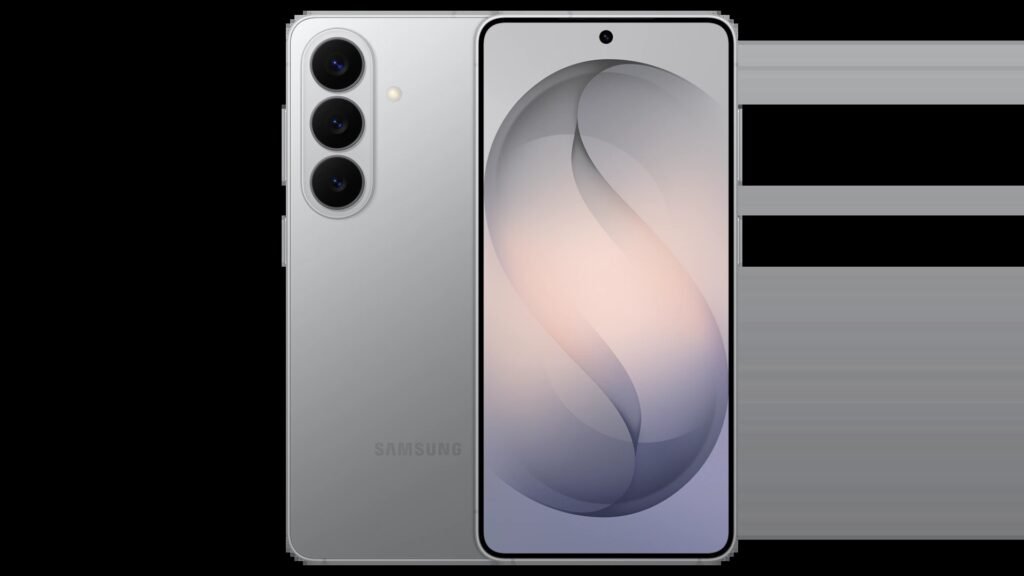
The downturn is polarizing the industry. Samsung kept the top spot with 23% of shipments (up from 19% a year ago) and Apple took 22% (up from 18%) — together 45%, up about eight percentage points from last year. Xiaomi held third at 12%, followed by OPPO (including realme and OnePlus) at 9% and vivo at 8%.
Omdia credits Samsung’s broad portfolio and global carrier relationships, plus the Fold8 and Flip8 launch, for cushioning the blow, while iPhone 17 demand and the iPhone 18 Pro launch kept Apple’s momentum going. Notably, the firm says AI features are still not a major reason people buy phones — though it expects Apple Intelligence to matter more over time.
Why this matters: the budget phone is going extinct
Here’s the part that hits your wallet: this isn’t a blip, it’s a culling. When memory prices spike, brands protect margins by killing cheap models first — which is exactly why Samsung’s Galaxy S26 is reportedly getting a $100 price hike and why the sub-$300 shelf keeps thinning out. The winners are the two giants with the pricing power to absorb component inflation; the losers are everyone shopping for value.
If you’re in the US and eyeing a holiday upgrade, the practical takeaway is uncomfortable: waiting for deeper discounts may backfire this year, because the discounts live on the budget phones that aren’t being made. Buy the mid-ranger now, or prepare to pay flagship money.
There’s a longer fuse here too: with memory eating margins, vendors are quietly trimming storage tiers and steering buyers toward higher-margin configurations. The upshot for 2027 lineups is fewer choices at the bottom and higher starting prices nearly everywhere — the $199 unlocked phone is becoming a museum piece.
Meanwhile in Mobiles: the price pressure is already showing — Samsung’s Galaxy S26 faces a $100 US price hike, while Apple’s foldable iPhone Duo bets big on the premium end.