October 2026 is the first month in history with three flagship foldables on the table at once. Apple’s iPhone Duo opens pre-orders on October 16 at $1,999 and ships October 23. Google’s Pixel 11 Pro Fold is already in stores at $1,899. And Samsung’s Galaxy Z Fold8 — the veteran — is already being discounted. If you have ever considered a folding phone, this is the month the category finally has a real fight.
Three Foldables Walk Into October
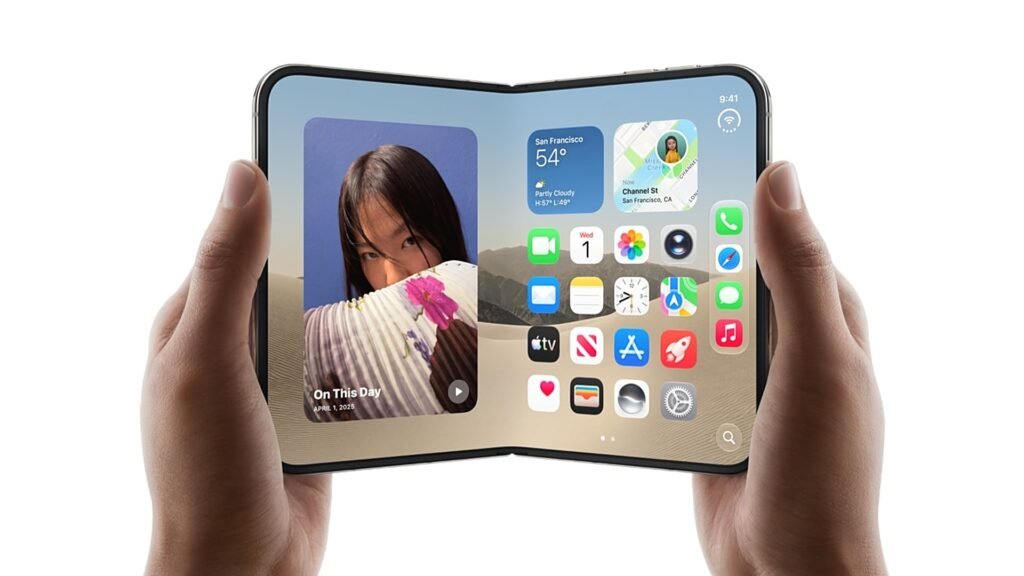
The timing is almost theatrical. Apple’s “Get ready” configuration window opened October 12, letting buyers pre-select storage, carrier, and color before pre-orders go live at 8:00 AM ET on October 16, Hypebeast reports — Night Sky and Star White, AT&T, T-Mobile, and Verizon at launch. Meanwhile GSMArena’s Prime Big Deal Days roundup shows the Z Fold8 already carrying a €385 discount and the Z Flip8 at 42% off. The market’s message: Samsung will pay you to buy the phone Apple wants you to wait for.
| iPhone Duo | Pixel 11 Pro Fold | Galaxy Z Fold8 | |
|---|---|---|---|
| Inner display | 7.6″ OLED, 120Hz | 8″ OLED, 120Hz | 7.6″ AMOLED, 120Hz |
| Cover display | 5.4″ OLED | 6.5″ OLED | 5.5″ AMOLED |
| Folded thickness | 11.3mm | 10.1mm | 9.7mm |
| Weight | 254g | 239g | 201g |
| Chip | A20 Pro (2nm) | Tensor G6 | Snapdragon 8 Elite Gen 5 |
| RAM | 12GB | 16GB | 12GB (16GB on 1TB) |
| Rear cameras | 48MP main + 48MP ultrawide | 48MP + 10.5MP ultrawide + 10.8MP 5x tele | 50MP + 50MP ultrawide |
| Dust/water rating | IP68 | IP68 | IP48 |
| Battery | 5,400mAh | 4,806mAh | 4,800mAh |
| Starting price | $1,999 | $1,899 | $1,899 |
The Trade-Offs Nobody Puts in the Press Release
Apple’s Duo has the fastest chip and the biggest brand, but read the fine print. It ships with no telephoto lens — Apple ditched it for thinness — and at 254g it is the heaviest of the three. There is no independent hands-on testing yet; everything we know comes from Apple’s stage. And there is a fresh wrinkle: MacRumors reports Apple originally planned 16GB of RAM for the Duo and the iPhone 18 Pro, then scaled back to 12GB amid the global memory shortage — the same shortage behind the price hikes hitting midrange phones this month.
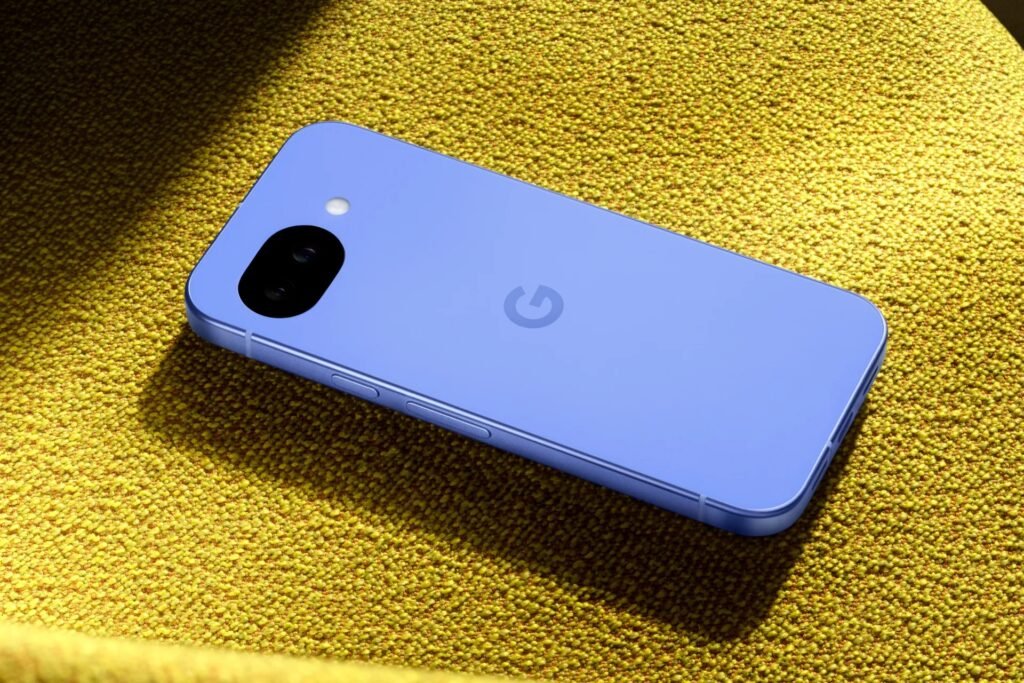
The Pixel 11 Pro Fold is the durability pick — IP68 in a foldable is still rare — and the only one with a real telephoto. But the Tensor G6, while more efficient than the G5, is nowhere near the A20 Pro or Snapdragon 8 Elite Gen 5 on raw performance. The Z Fold8 is the thinnest and lightest by a mile and the only one with years of refinement behind it, but its IP48 rating means meaningfully less dust protection than its rivals, and Samsung’s stylus support is gone from this generation.
Who Should Buy Which
iPhone loyalists who want the biggest screen Apple has ever put in a phone: the Duo is your device, but first-generation Apple hardware at $1,999 deserves a wait-for-reviews rule — especially with no telephoto and a crease nobody outside Cupertino has felt yet. Google ecosystem buyers who photograph things: the Pixel 11 Pro Fold’s telephoto + IP68 + $100-under-Apple pricing is the rational pick, available today. Multitaskers who want the proven quantity: the Z Fold8 is the mature foldable, and right now it is also the discounted one.
Why This Matters
Here is the contrarian read on foldable October: the smartest buy this month might be last month’s Samsung, not this month’s Apple. The Duo’s arrival legitimizes the category — Apple’s entry is the moment foldables stop being an experiment — but legitimation doesn’t require buying the first generation at full price while the proven alternative is €385 off. The Duo will still be there in November, with real reviews and real crease reports. The discount might not be. Buy the story in October if you must; buy the phone when the market, not the keynote, tells you to.
Meanwhile in Mobiles: Google’s Pixel 10a Just Got $100 More Expensive — and the $500 Phone Is Dead — the memory-cost squeeze behind the Duo’s RAM downgrade, explained.
Meanwhile in Mobiles: Xiaomi 18 Ultra Reportedly Canceled — The $1,500 Phone That Never Was — what happens above $1,500 when the market flinches.