A Budget Phone That Got More Expensive
Eight months after launch, phones are supposed to get cheaper. The Pixel 10a just went the other way. 9to5Google first reported that Google quietly raised the 128GB Pixel 10a from $499 to $599 in its US store on October 2, with the 256GB model climbing to $699. The new pricing has already spread to Amazon and Best Buy — and overseas, where the phone now lists at £599 in the UK, €649 in Europe, and CAD $849 in Canada.
Google hasn’t officially explained the change. But the timing is hard to miss: it landed one day after Samsung raised prices across its Galaxy S26 lineup by $100 or more, as Android Police noted. And Google warned this was coming — when it raised Pixel 11 prices this summer, the company said the increase would eventually reach its “in-market” phones too.
Blame the AI Boom Eating the Memory Supply
The culprit is the same force driving the AI data center boom. High-bandwidth memory for AI servers commands far higher margins than the conventional DRAM in phones, so the three companies that make nearly all the world’s memory — Samsung, SK Hynix, and Micron — have been shifting production toward AI chips, leaving phone makers short. Google’s own hardware chief has said memory costs rose roughly sixfold in a single year, from $2.80 to $12 per gigabyte, and he warned as far back as July that even existing phones like the 10a could face mid-cycle price adjustments.
The pain is industry-wide. Apple raised prices on the iPhone 18 Pro lineup and — breaking with years of tradition — increased the year-old iPhone 17 by $100 to $899 instead of cutting it, according to Seeking Alpha. Google’s TV Streamer 4K jumped from $100 to $150 on the same component costs, TechRepublic reports. And Micron has warned the shortage could run through 2028 — meaning this isn’t a blip, it’s a structural shift in who gets the world’s memory first.
Why This Matters: The $500 Phone Is Disappearing
Here’s what stings about the 10a hike: the phone hasn’t changed at all. It still runs the Tensor G4 — the same chip that debuted with 2024’s Pixel 9 series — and differs only slightly from last year’s Pixel 9a, Android Police points out. You’re paying 20 percent more for identical hardware that sold for as low as $424 at Amazon just last month.
At $599, the 10a now sits in an awkward middle: still $300 cheaper than the Pixel 11, but priced against rivals with newer silicon. And with the Pixel 11a already leaking ahead of a possible spring launch, the real question isn’t whether the 10a is worth $599 — it’s what Google will dare to charge for its successor.
The old phone-buying playbook — wait a few months and the price drops — may be broken for a while. If you’re shopping this fall, check carrier promotions and trade-in offers, which can still soften the blow, and stack the 10a against rival mid-rangers at $599 before you buy.
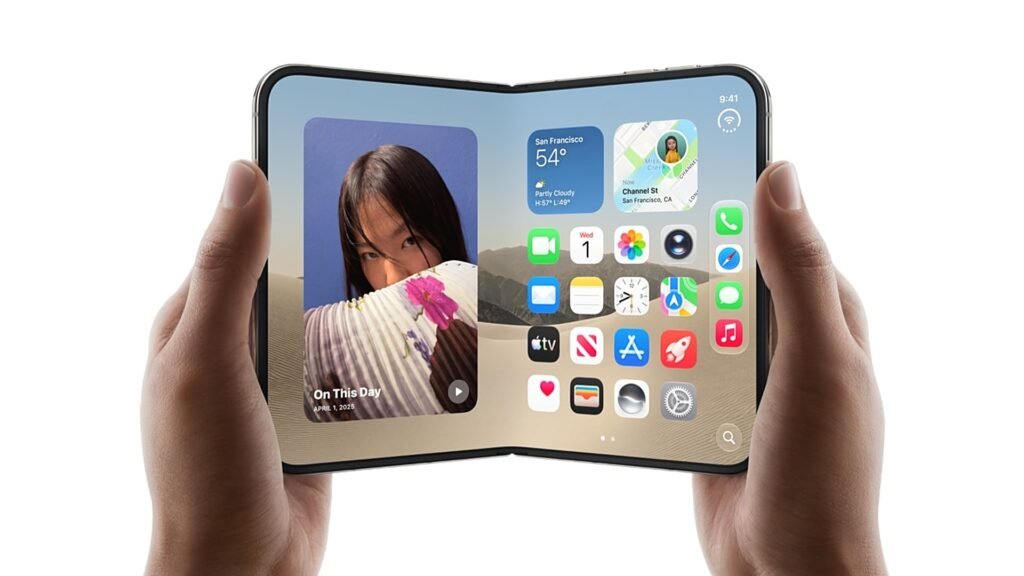
Meanwhile in Mobiles: shopping at the other end of the market? Our foldable guide compares the iPhone Duo, Pixel 11 Pro Fold, and Galaxy Z Fold 8 ahead of the holiday season.
Meanwhile in Apps & Tools: the 10a’s best argument was always its AI features — see how the new wave of on-device AI assistants stacks up without a subscription.