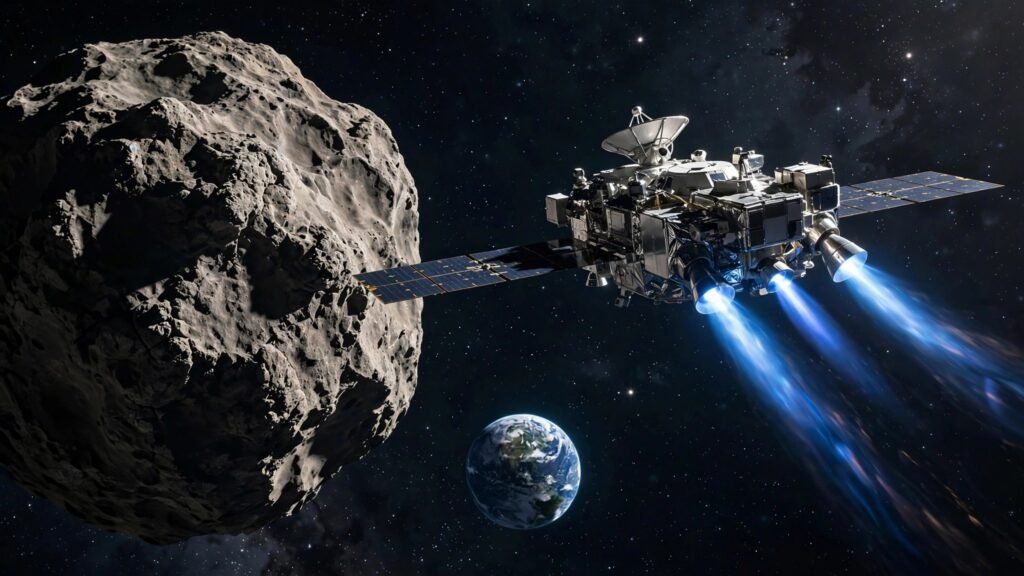
AstroForge, the asteroid-mining startup founded in 2022 with $56 million in venture funding, is handing the keys of its next spacecraft to artificial intelligence — and it doesn’t plan to keep a hand on the radio.
The company has revealed “Solo,” an in-house transformer-based autonomous control stack trained on roughly 2,500 spacecraft sensors. Solo is designed to let a spacecraft diagnose and fix its own problems mid-mission — for example, correlating a power anomaly back to a malfunctioning star tracker — without waiting for ground controllers to spot the issue and beam up instructions.
CEO Matthew Gialich laid out the ambition in stark terms. According to TechCrunch, he said that after separation, Autonomy-1 will attempt its entire mission with zero commands from Earth: “I don’t plan on flying radios that can receive from Earth on Autonomy-1.”
The 2027 Mission: Solar Science, No Orders From Home
Autonomy-1 is slated to fly in 2027 on the maiden flight of Stoke Space’s Nova Pathfinder rocket. Stoke Space lists the mission on its Nova Pathfinder manifest, and the flight is a NASA-backed one that will gather solar science data — including autonomously supporting NASA Goddard’s COMPASS heliophysics payload.
The “no orders from Earth” pledge is not marketing gloss. Dropping the receive-capable radio removes the temptation — and the dependency — of human intervention, forcing the spacecraft to live or die by Solo’s decisions.
A Rehearsal in Shadow Mode
Before that, Solo gets a dress rehearsal. A test flight will carry the AI in “shadow mode” aboard DeepSpace-2, which launches alongside Intuitive Machines’ third moon mission by the end of 2026. In shadow mode, Solo will watch and reason about the flight without actually commanding the vehicle — a proving ground for the real thing.
Odin’s Ghost: Why Autonomy Became the Mission
The push toward full autonomy has a painful origin story. AstroForge’s first two prototypes suffered anomalies, and its 2025 Odin deep-space probe was lost after scarce ground-antenna time made communication impossible. A spacecraft that can’t reach mission control is, for all practical purposes, gone — unless it can think for itself.
Solo is AstroForge’s answer to that failure mode: a spacecraft that treats Earth as an audience, not a supervisor.
Why This Matters
Deep-space missions live and die by communications. Light-time delays, contested antenna schedules, and the sheer cost of round-the-clock staffing mean even well-funded spacecraft spend long stretches on their own. A control stack that can cross-reference thousands of sensor readings and act without permission could shrink those vulnerabilities dramatically — not just for prospecting asteroids, but for every mission that flies beyond easy reach.
If it works, Autonomy-1 would be a milestone: a spacecraft designed, from the antennae up, to never need Earth again. For now, it is a 2027 plan, not a flown result — and the shadow-mode test later this year will be the first real evidence of whether Solo can fly what its makers promise.
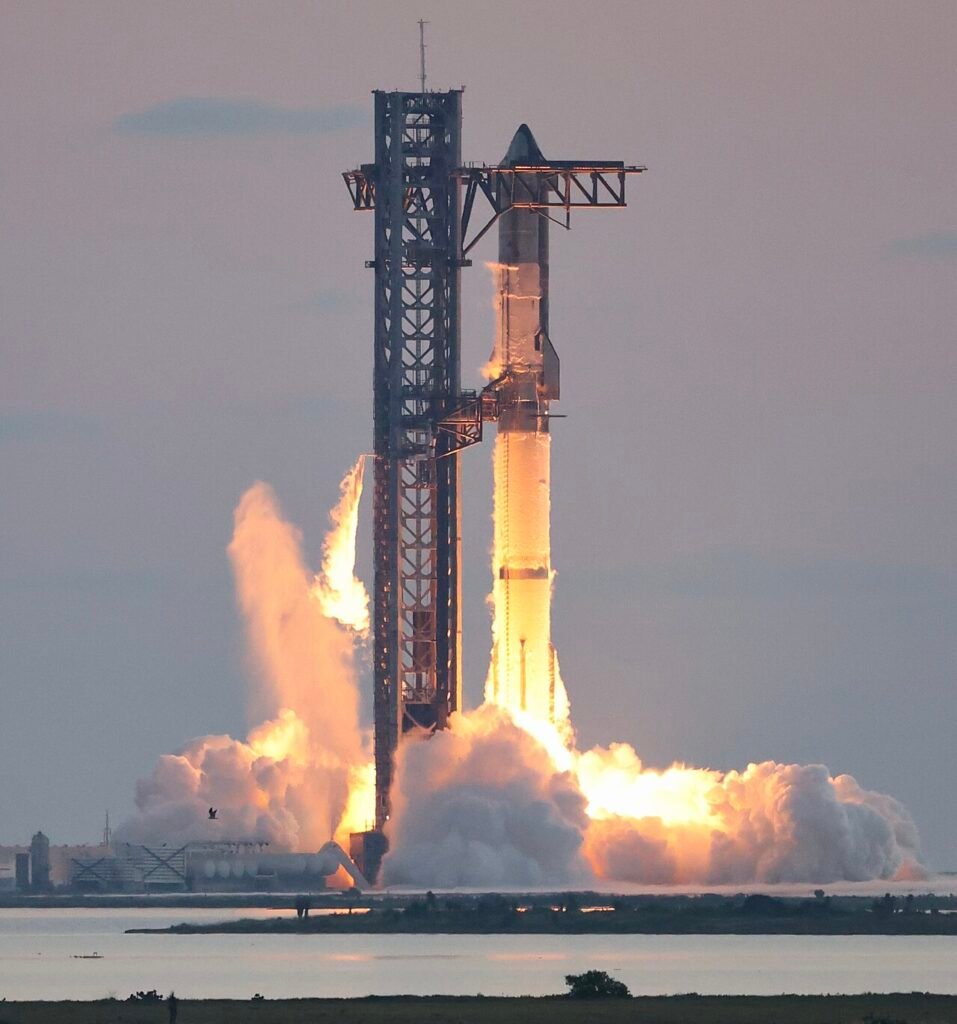
Meanwhile in Space: SpaceX pushed back its first orbital Starship flight to late September — read more in “SpaceX Delays Starship’s First Orbital Flight to September 28.”
Meanwhile in AI Tech: the intersection of AI and high-stakes operations is moving fast — see the “DeepSeek and OpenAI briefing at the UN Security Council.”