President Donald Trump has declared imported robotics and industrial machinery a national security risk, but stopped short of the tariffs many manufacturers feared. According to Reuters, Trump on Wednesday ordered the Commerce Department and the US Trade Representative to negotiate agreements with trading partners on import levels, and directed them to report back in 180 days.
The decision, following a probe opened in September 2025, spares US factories an immediate new cost. It also keeps the threat alive. Trump said he could still impose tariffs later if talks fall short, leaving robotics companies, automakers, and warehouse operators planning around a deadline rather than a duty.
A Threat, Not Yet a Tax
The distinction matters more than the headline. A finding of a security risk is a legal foundation for tariffs, but it is not a tariff itself. By choosing negotiation first, the administration avoided hitting the very manufacturers it says it wants to protect, since the Commerce Department itself said the United States relies on foreign imports for most types of robotics and industrial machinery.
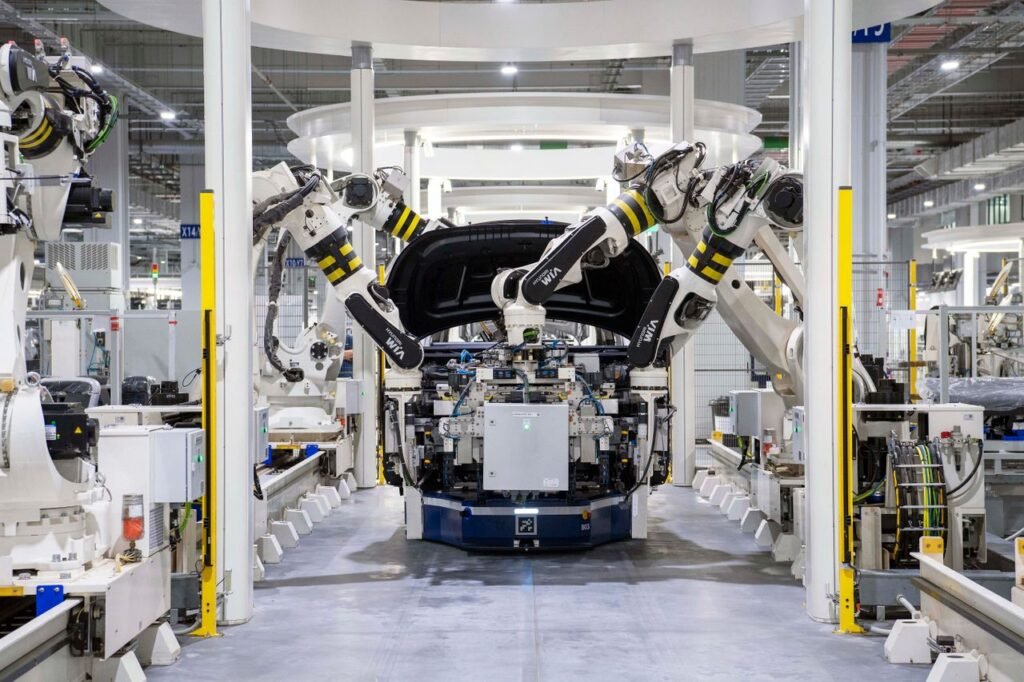
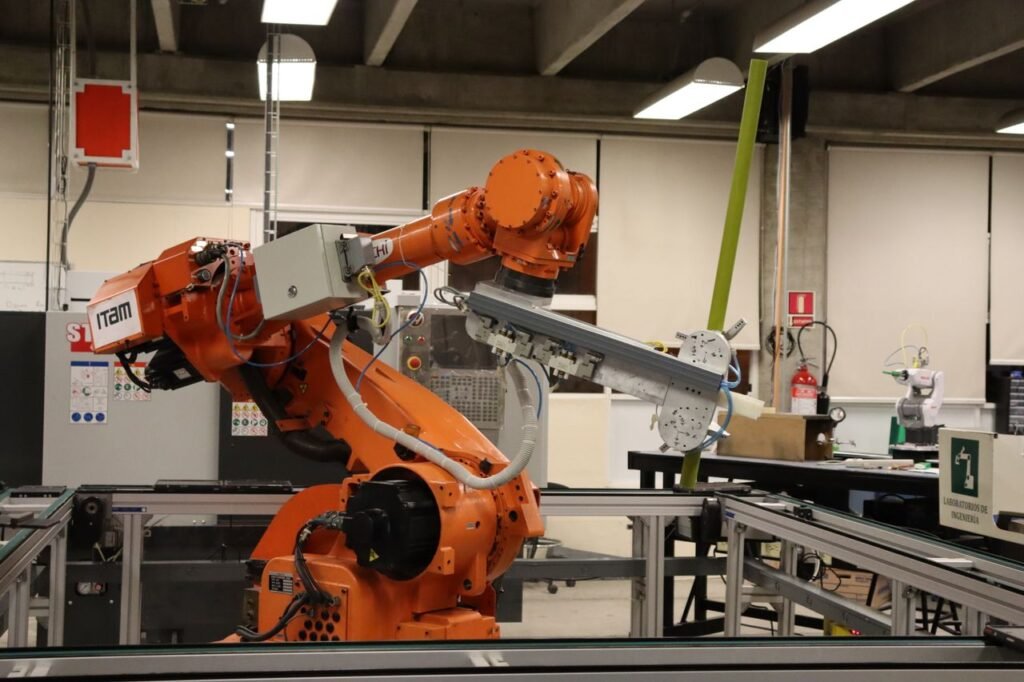
The probe covered a wide sweep of equipment: programmable computer-controlled mechanical systems, industrial stamping and pressing machines, machine tools for cutting, welding, and handling workpieces, plus autoclaves, industrial ovens, and laser and water-cutting tools. In other words, this was never just about humanoid robots. It was about the machines that build almost everything else.
The 180-Day Clock
The 180-day reporting deadline puts the next decision in roughly late April 2027. That window is now the planning horizon for the industry. Companies that can shift sourcing, stockpile critical components, or document a domestic supply chain have about six months to do it before negotiators return with a progress report.
There is already a second, quieter lever in play. Reuters notes that the Federal Communications Commission in July barred imports of new models of Chinese robots and power inverters, while allowing existing models of humanoid and quadruped robots to continue entering the country. Trade talks may decide prices, but the FCC rule already decides which new models can legally arrive at all.
Why This Matters
Here is the paradox at the heart of the decision: the United States wants a domestic robotics industry, but its factories still run on imported machines. A tariff imposed today would raise costs for US manufacturers first, before any domestic alternative could scale. Delaying the duty while keeping it on the table is therefore both a concession and a warning. It gives companies time to adapt, and it gives trading partners a reason to negotiate.
The same day underscored how fragile the global robotics boom already looks. Reuters also reported that Unitree, China’s best-known robot maker, posted third-quarter net profit of 112.7 million yuan, about $16.9 million, down 17.4 percent from a year earlier, in its first earnings result since its blockbuster August listing. Cooling investor sentiment and a wider tech market rout are already testing the sector, before any new American tariff lands.
For US buyers, the practical questions are now concrete. Which machines in your line are imported, and from where? Which suppliers have a domestic alternative, and at what price? And if a tariff does arrive next spring, will it hit finished robots, components, or both? Companies that can answer those questions before April will be in a far stronger position than those waiting for the next headline.
Meanwhile in Robotics: Agility Robotics is pushing its Digit humanoid deeper into US warehouses, as our coverage of the GXO expansion in North Carolina and Tennessee shows, while its path to the public markets is mapped in our look at the planned Nasdaq listing under AGLT.