Toyota is stepping up its humanoid robot push, and the headline version of the story is easy to get wrong. The Financial Times reported on October 25 that Toyota is taking on Tesla and China in the humanoid robot race, tying the effort to a sweeping factory-automation overhaul. Read past the headline, though, and the plan is narrower, slower and more interesting than a robot army.
The number driving most of the coverage is 400,000. As reported by the Financial Times and summarized in follow-up coverage, Toyota plans to deploy 400,000 robots, with about 250,000 earmarked for group companies and suppliers, as part of a broader manufacturing overhaul. Here is the crucial distinction: that figure covers robots broadly, not 400,000 humanoids. Conflating the two turns a factory-automation program into a humanoid production order that Toyota has not announced.
The 400,000 Number, Decoded
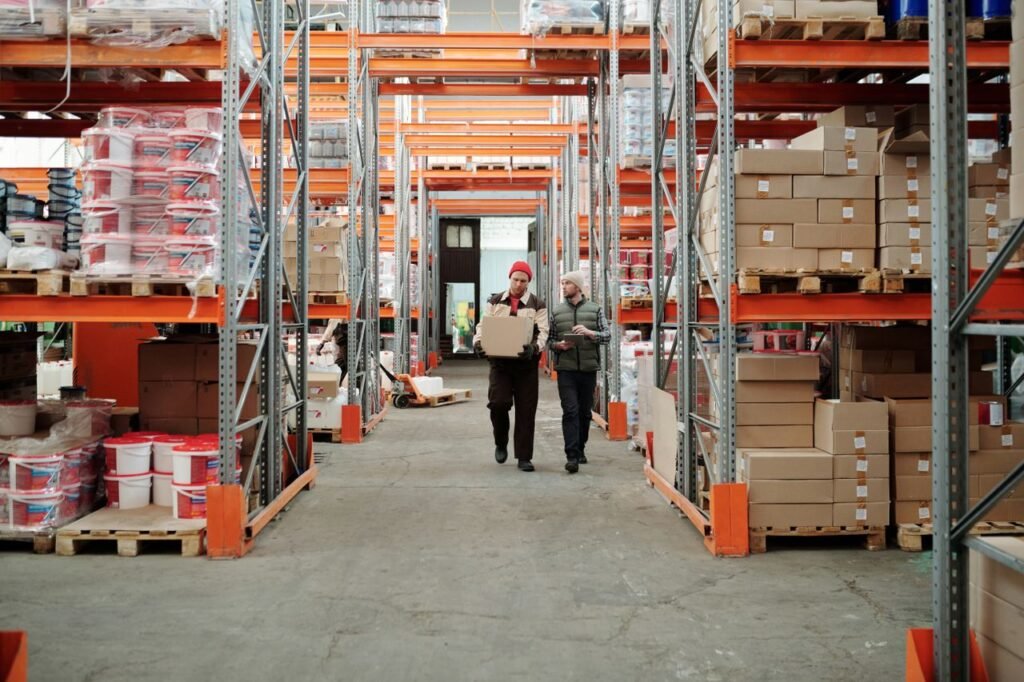
What Toyota has actually put behind the plan is a dedicated robotics team under its chief production officer and a factory-first strategy. Its own plants come first, where demand is immediate and operating conditions can be controlled, before any wider commercial robot business. The company is also positioning the effort as an answer to factory labor shortages, not as a consumer product launch.
The money attached to the program is substantial. Automotive News has reported Toyota Group will invest 6.4 billion dollars per year beginning in 2028 to update factories for the digital age and deploy 400,000 robots worldwide. That is a long-dated industrial investment, not a single-year humanoid splurge, and it explains why the humanoid piece should be judged on factory results rather than announcement-day hype.
Meet Eley, the 50-Kilo Apprentice
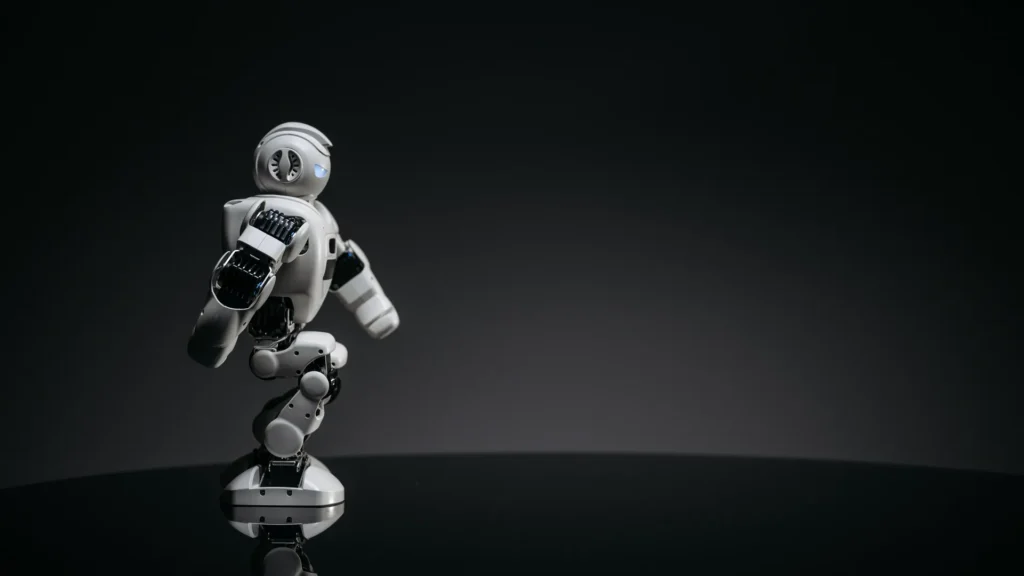
The most concrete humanoid in the story is Eley, Toyota’s internally developed 50-kilo robot. According to TradersUnion, reporting on the Financial Times account, Eley will use Toyota Research Institute’s foundational AI model to learn factory tasks by observing workers, starting with fine-motor processes such as moving parts between boxes.
That learning-by-watching approach is the real technical bet. Instead of programming every motion in advance, a human worker trains the robot by wearing an exoskeleton that beams movements to it, a process called teleoperation. Toyota’s chief technology officer has described robots learning master craftsmen’s skills through cameras and sensors.
Toyota is not starting from zero. It revealed the T-HR3 humanoid back in 2017, it showed off the basketball-playing Cue7 humanoid at Toyota Arena Tokyo in April, and its AI robotics spinout Walden Robotics emerged from stealth in July with 300 million dollars in funding at a 1.1 billion dollar valuation. Walden’s general-purpose robots are already operating in Toyota factories in North America, and Toyota Research Institute’s model is also being used in Boston Dynamics’ Atlas humanoid.
Why This Matters: Toyota Is Playing a Different Game Than Tesla
The comparison with Tesla and China is where most coverage oversimplifies. Tesla has tied part of its pitch to Optimus, while Chinese manufacturers dominate current shipments: separate reports cited in recent coverage put Chinese makers at more than 97 percent of global humanoid shipments in the first half of 2026, at roughly 19,100 units. Toyota, by contrast, has disclosed no humanoid price, production volume or commercial launch date.
That gap is not necessarily a weakness. Toyota’s edge, if it has one, is not building the flashiest humanoid first. It is building robots that survive harsh factory conditions, high temperatures and cold climates, and that slot into plants Toyota already runs.
Meanwhile in Robotics: Agility’s Digit showed how battery charging speed can make or break a warehouse robot, and in Robotics: Boston Dynamics’ Atlas gained a four-finger hand built for real manipulation work.
The honest scorecard for Toyota’s plan, then, is not a headline number. It is whether Eley and its successors can do boring, repeatable factory work safely, shift after shift, without displacing the workers they are meant to assist. Toyota says the goal is to augment, not displace, its workforce. The factory floor will decide whether that promise holds.