For the first time, the U.S. government has blocked gadgets not because of the brand on the box — but because of the chip inside them.
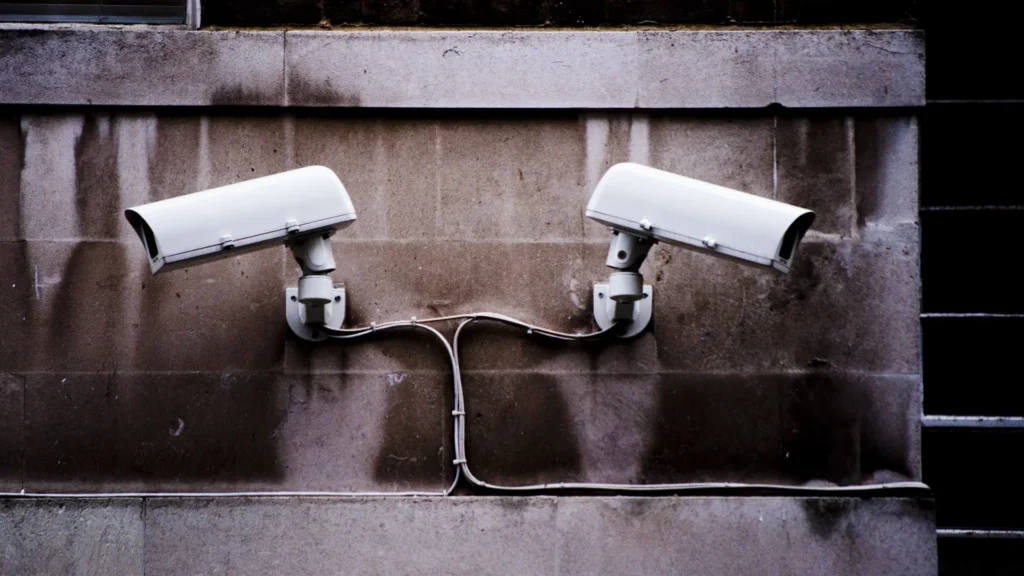
The Federal Communications Commission said on Thursday that it had barred two devices from the U.S. market — a dashboard camera and a wireless video transmitter — because they contain what the agency calls foreign surveillance chips made by a subsidiary of China’s Huawei. Reuters reports that it is the first time the FCC has exercised its new component-level authority, and the move changes what gadget buyers should check before they buy.
The Chip Is Now the Border
Until now, the FCC’s bans worked at the level of the finished product: if a company was on the agency’s Covered List of national-security threats, its own gear could not get equipment authorization for sale in the United States. On October 13, the FCC gave itself a wider power — it can block gadgets for containing any computer chip made by any company on that list, even when the finished device comes from an entirely different manufacturer.
The Verge, which first reported the enforcement action, says the agency named the chip at the heart of the case: a HiVision Hi3516CV610 UHD Smart Vision SoC, a processor that turns a raw camera sensor into a home security camera, a dashcam, or a similar device. It is often sold in kits with a Sony camera sensor, which means it can end up inside products whose brands give no hint of its origin.
Why This Chip, Why Now
The FCC’s case rests on how the chip is sold, not just who makes it. According to Reuters, the agency said the chip’s maker, Huawei subsidiary HiSilicon, advertises it as “designed for the surveillance market” and including “detection algorithms for human faces.” FCC Chair Brendan Carr said video devices containing surveillance chips from companies on the national-security list “pose an obvious and unacceptable risk to the nation and our people.”
HiVision is a Huawei subsidiary, and Huawei sits on the FCC’s Covered List. The FCC voted in July to bar sales of devices in the U.S. containing key hardware from Chinese companies deemed national-security risks. Huawei did not immediately respond to a request for comment, and HiSilicon could not immediately be reached, Reuters reported.
The Two Things the FCC Didn’t Say
Notice what is missing from the announcement, because it matters for shoppers. The agency did not name the two specific gadgets it blocked, and it did not immediately respond to The Verge’s request for comment. That means nobody buying a dashcam or a home camera this weekend can check a list and confirm their exact model is safe — the enforcement is real, but the transparency around it is, so far, thin.
The announcement also says nothing about gadgets already in people’s cars and homes: it targets sale and authorization of the blocked devices, not a recall — so owners should not panic about hardware they already own on the basis of this announcement alone.
Why this matters
The commodity coverage reads like a Washington sanctions bulletin. The version that matters to readers is a buyer’s guide, because this rule quietly rewrites gadget shopping: the brand on the box no longer tells you whether a device can legally be sold in America. What matters now is the silicon inside it — exactly the information budget camera gadgets are least likely to disclose. Shopping for a dashcam, home camera, or video transmitter? Buy from a brand that publishes its FCC equipment authorization, be wary of no-name camera kits sold through marketplaces (the very channel where this chip circulates in sensor bundles), and treat an absent FCC ID as a red flag, not a bargain. The FCC has shown it will reach inside the gadget. The question is how many more devices are already in line behind these first two.
Meanwhile in Gadgets:
Camera gadgets are everywhere right now — see Meta’s camera-free Ray-Ban audio glasses and what they mean for wearable cameras — and at the budget end of the spectrum, Bose’s $99 noise-cancelling wired earbuds show how much gadget you can still get for under a hundred dollars.