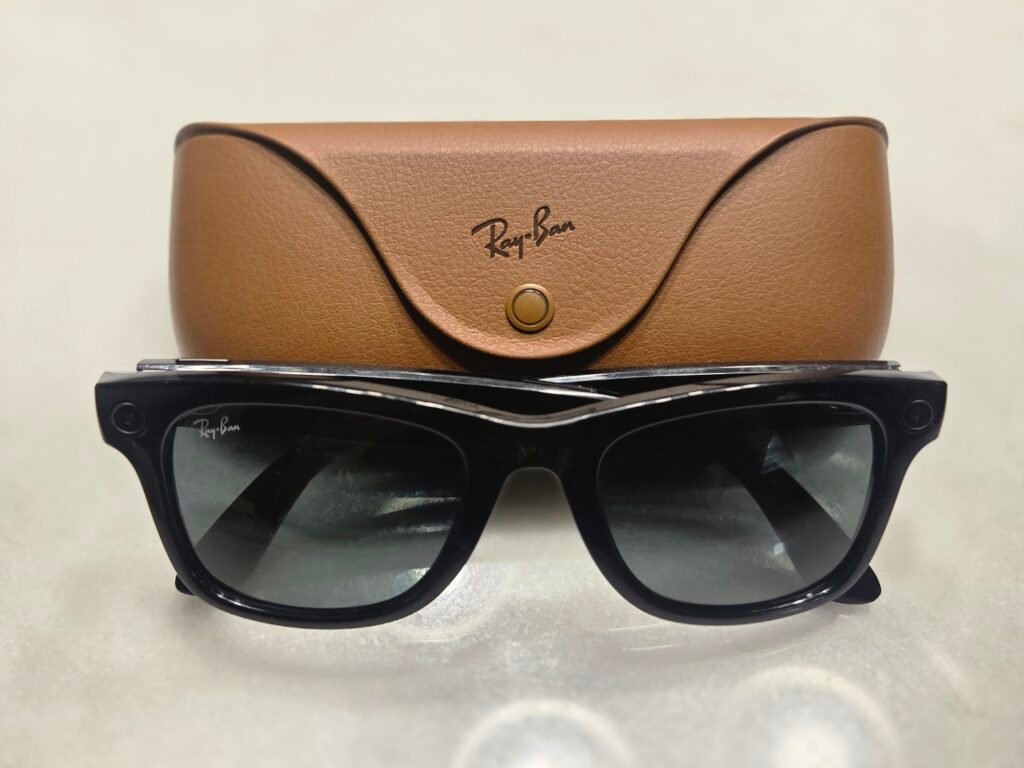
Meta pulled the wraps off the Ray-Ban Meta Audio at Meta Connect on September 23 — the first pair of Ray-Ban Meta smart glasses with no camera and no display. They are pure audio: music, podcasts, phone calls, and Meta AI, delivered through open-ear speakers built into the frames. The price is $349, a full $100 less than the new camera-equipped Gen 3, and shipments start October 13.
Meta Killed the Camera — and the Glasses Got Lighter, Cheaper, and Longer-Lasting
The specs tell the story of what removing a camera buys you. According to The Verge’s hands-on, the Audio glasses weigh just 43 grams — Meta’s lightest and thinnest smart glasses yet — and run up to 12 hours on a charge, with another 48 hours banked in the charging case. They come in Clubmaster and Burbank styles with 23 frame-and-lens combinations, adjustable nose pads and temple tips, and prescription lens support.
Inside are six microphones and no way to take a photo or record video. TechCrunch, which demoed the glasses at Connect, noted they are noticeably lighter and more comfortable than any of Meta’s camera-equipped pairs — a Meta staffer at the demo argued they are “more comfortable than earbuds.”
The Feature Buried in the Keynote: An FDA-Cleared Hearing Aid for About $150
Here’s the part that barely made the headlines. Meta also showed off a Hearing Enhancement mode for its glasses — an accessibility feature cleared by the FDA in the United States for adults with perceived mild to moderate hearing loss. US-only at first, it uses the glasses’ speakers and microphones to boost conversational audio in noisy rooms.
The price is the disruption: about $150 as a one-time add-on, with a 30-day free trial, or bundled into a Meta One subscription, according to MobileSyrup’s demo at Connect. Traditional prescription hearing aids typically start around $800 and can run into the thousands. Meta’s pitch is simple arithmetic — a pair of stylish frames that also helps you hear the dinner conversation.
Why This Matters: Meta Is Quietly Pivoting From Eyes to Ears
Every straight-news rewrite of this launch led with privacy: the “pervert glasses” backlash, privacy lawsuits, and restrictions at some UK venues. That context is real — but it’s not the real story. Meta’s wearables chief told The Verge the audio-only design was years in the making, and that “two years ago, we saw that audio was the top use case, the biggest potential for AI.” Translation: the camera was always the least-used part of the glasses and the most-hated part of wearing them.
Strip out the camera and three things happen at once: the privacy flashpoint disappears, the price drops to $349, and the hardware becomes light enough to wear all day — which is exactly what you need if your endgame is hearing assistance. Meanwhile, Meta is folding its new Muse AI agent into the glasses over the coming months, turning voice into the primary interface for shopping, appointments, and tasks.
Put it together and Meta’s bet is clear: the face computer of the near future isn’t a camera on your nose — it’s a pair of ears you forget you’re wearing. And if the hearing-aid angle lands, the addressable market is far bigger than gadget nerds.
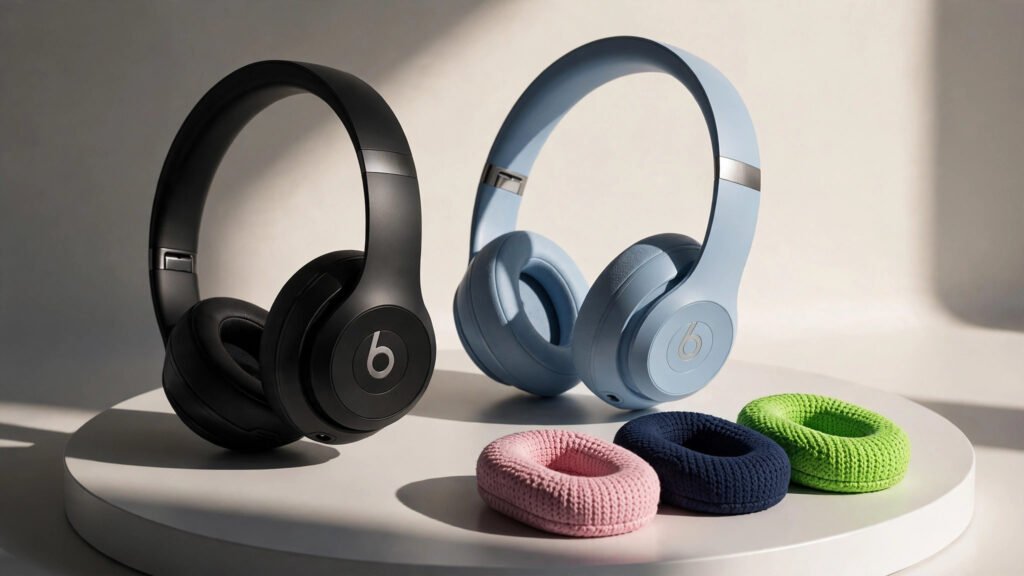
Meanwhile in Gadgets: Qualcomm is pushing AI into your ears from the other direction — its Snapdragon Sound Elite Gen 2 brings real-time translation to your next earbuds qualcomm-snapdragon-sound-elite-gen-2 article. Prefer over-ears? Apple’s Beats brand just launched the $349.99 Beats 360 with swappable cushions and a gym-ready IPX4 rating beats-360 article.