Cologne police have impounded a humanoid robot — and now face a question no court has cleanly answered: when a robot is involved in an alleged harassment incident, who is legally responsible? The machine, or the person holding the remote?
The incident happened overnight on October 10–11 near a fast-food restaurant on Cologne’s Hohenzollernring. The Associated Press reports that a 16-year-old girl was allegedly harassed by a humanoid robot while two teenagers — the robot’s 16-year-old owner and a 19-year-old companion — are suspected of filming and livestreaming the encounter. Police found the robot in the trunk of a Volkswagen and seized it along with both suspects’ phones. Neither suspect has been charged.
The Question That Decides Everything
The central question, per the AP, is how the robot was behaving: was it remotely controlled in real time, preprogrammed, or acting on its own? The answer matters enormously, because it decides where liability sits. If a person was piloting the machine — the most likely scenario, given the hardware — this is a straightforward harassment case committed through a tool, no different in principle from harassment committed through a camera or a car.
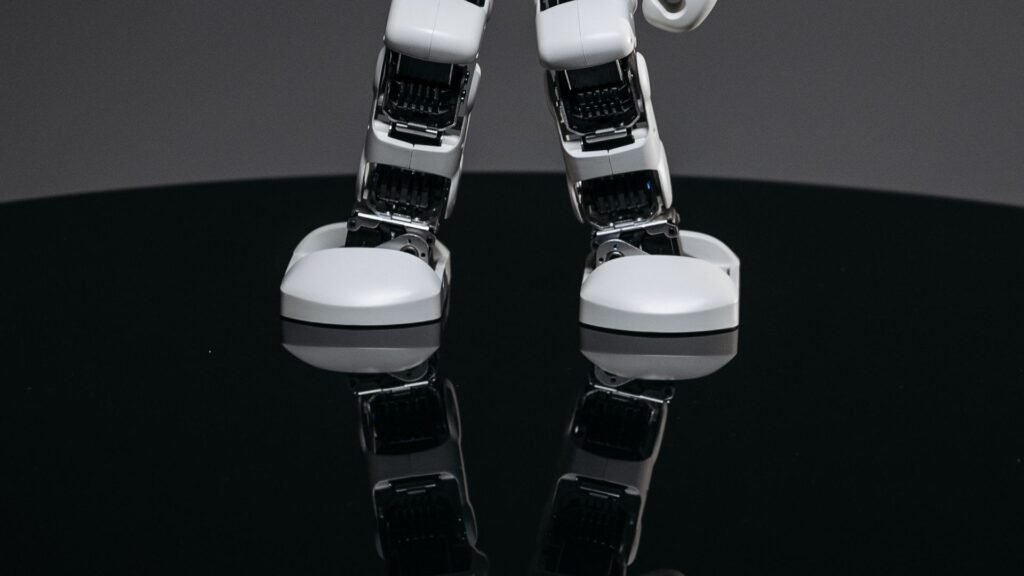
That is almost certainly what happened here. German media identified the device as a commercially available consumer humanoid costing roughly €5,000 — no lab, no custom build, no frontier AI. It is a toy-grade machine with a controller. The “rogue robot” framing some coverage leaned into is the least plausible version of events.
New Territory for the Police
Cologne police spokesman Christoph Bermel was candid about the gap: “We have not been aware of this phenomenon so far,” he told CNN — “new territory for us.” Under German law, the conduct falls under statutes against insults of a sexual nature, but applying those laws to actions performed through a teleoperated machine is genuinely novel. The operator is the suspect, not the robot — the robot is evidence, sitting in a police impound.
On Tuesday, Cologne police used Facebook to push back against public commentary about the case, warning that sharing and joking about the incident can deepen the harm to the victim — a reminder that behind the viral novelty is a real 16-year-old.
Why this matters
Consumer humanoids are getting cheap, dexterous, and connected — and this is the first case testing what happens when one is allegedly used to harm someone in public. The liability framework police land on here will matter far beyond Cologne: every teleoperated robot, from warehouse machines to delivery bots, raises the same question about who answers when the machine is the instrument.
The precedent will almost certainly be that the operator is liable, not the device. But it took a seized robot in a Volkswagen trunk to force the question into the open.
Meanwhile in Robotics: KAIST’s vine robot for battery-fire response — when humanoids work for humans, not against them.
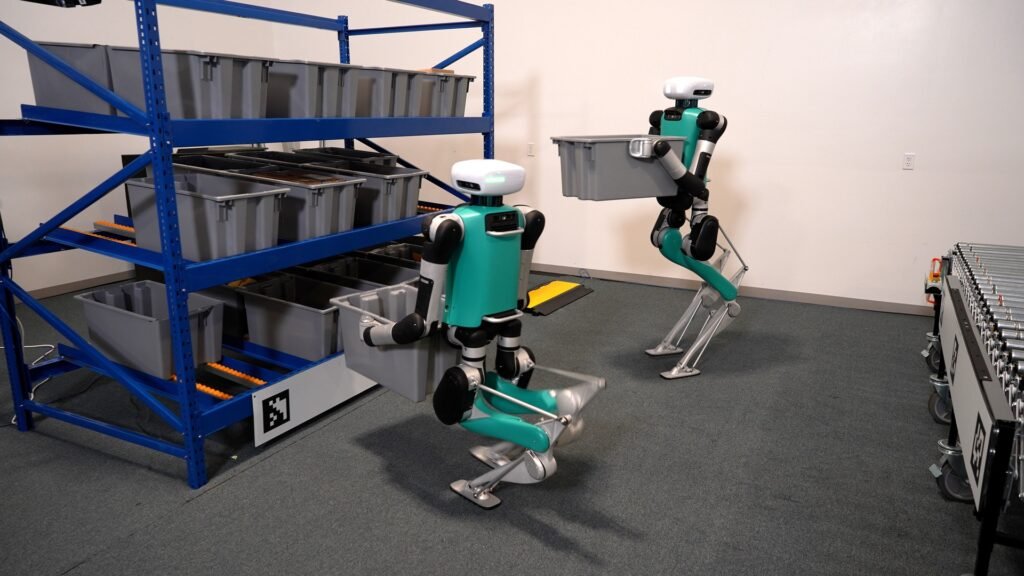
Meanwhile in Robotics: Ultra’s $50M bet on renting warehouse robots by the month — the business model putting robots everywhere.