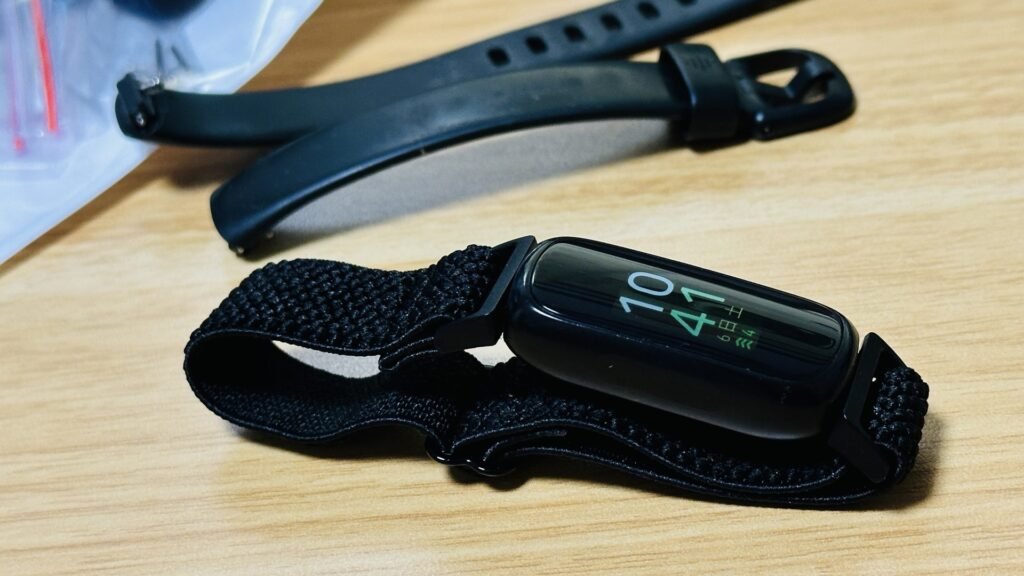
It’s official — almost. Google’s health division posted a teaser this week that reads “Get an Edge on your health. 10.12.2026.” and with that one capitalized word, the Fitbit Edge went from rumor to confirmed product, with a launch date of Monday, October 12, according to 9to5Google.
Three Fitbits in One Year
The Edge fills a hole Fitbit’s lineup has had for years. Earlier in 2026, Google launched the Fitbit Air — a screenless band starting at $99. At the top sits the Pixel Watch 5 at $400. Between them: nothing, unless you count the aging Charge 6 that hasn’t seen a real update in years. The Edge, expected at roughly $180, completes the ladder — and it’s the clearest sign yet that Fitbit is becoming a three-rung brand: band, tracker, smartwatch.
Leaked specs paint a picture of a serious middle child. Per Engadget’s rundown of the leaks, the Edge packs a 1.34-inch OLED display, built-in GPS so you can leave your phone at home on runs, an ECG sensor for atrial-fibrillation detection, plus an altimeter, barometer and blood-oxygen tracking. Battery life is reported at seven days with the always-on display off — two days with it on — and the whole thing is said to weigh under 18 grams in an aluminum body. Google’s own teaser image confirms the metal chassis and the “Canyon” colorway carried over from the Pixel Watch 5.
The iPhone Detail Nobody’s Leading With
Here’s the sleeper spec: the Edge reportedly works with both Android and iOS. That matters more than it sounds. The Pixel Watch line is Android-first, which leaves every iPhone owner who wants a serious fitness tracker with exactly one obvious choice — the Apple Watch. A $180 Fitbit with a display, GPS and week-long battery that plays nice with iPhones is Google’s quiet play for the wrist real estate Apple has owned by default.
Confirmed vs. Leaked: A Scorecard
Let’s be precise about what Google actually confirmed, because it’s less than the coverage suggests. Confirmed: the name “Edge” (via a capital letter in the teaser — the company never formally announced the product), the October 12 date, the metal build, and the Canyon finish. Everything else — price, specs, battery claims, iPhone support — comes from leaks reported by Android Headlines and Dealabs, plus a device first spotted hiding in Google’s own Pixel 11 marketing back in August.
That doesn’t make the leaks wrong — the track record on these particular leaks is strong, and Google’s teaser matches the renders. But treat anything beyond the teaser as educated expectation until Monday. And one caveat worth flagging: Gemini integration is rumored, but no leak has spelled out what “Gemini on a tracker” actually does in practice. If Google has a genuinely new answer to that, Monday is when we’ll hear it.
Why This Matters
The fitness-tracker middle is where the volume lives. Premium smartwatch sales plateaued; the $100–$200 band is where first-time buyers, gift shoppers and Apple Watch skeptics actually spend. Google knows this — it built the Air for the budget end and the Pixel Watch for the top. The Edge is the missing rung, and its rumored iPhone support is the tell: Google isn’t just completing a lineup, it’s going after the one wearable segment where Apple Watch dominance looks least inevitable. If the $180 price holds, Monday’s launch becomes the most consequential Fitbit hardware story since Google bought the company.
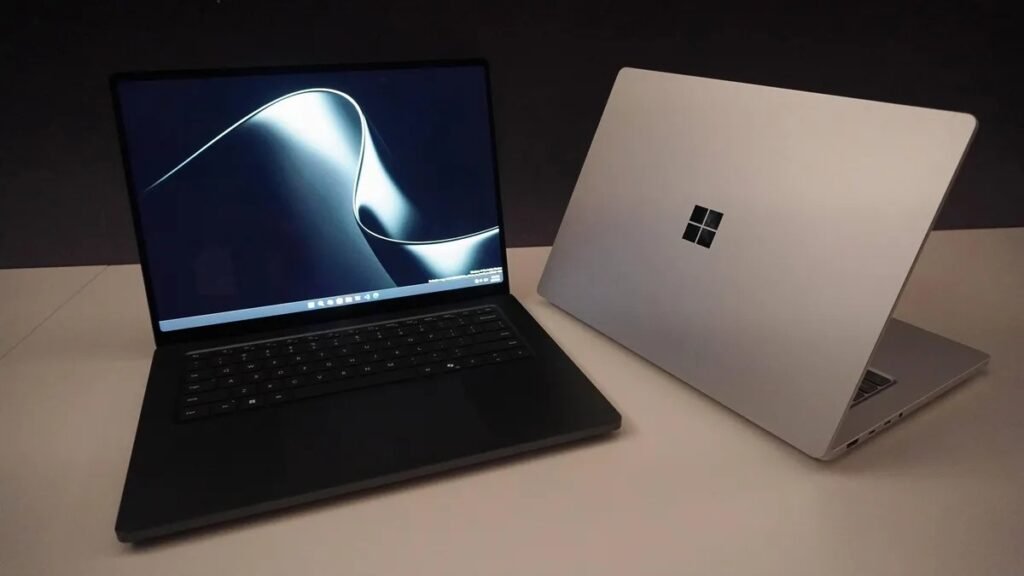
Meanwhile in Gadgets: Amazon just killed the Fire tablet — and its new Alexa tablets start at $230 with full Google Play. Also: we decoded the Surface Laptop Ultra’s wildest claims — what “6.2x faster” actually means.