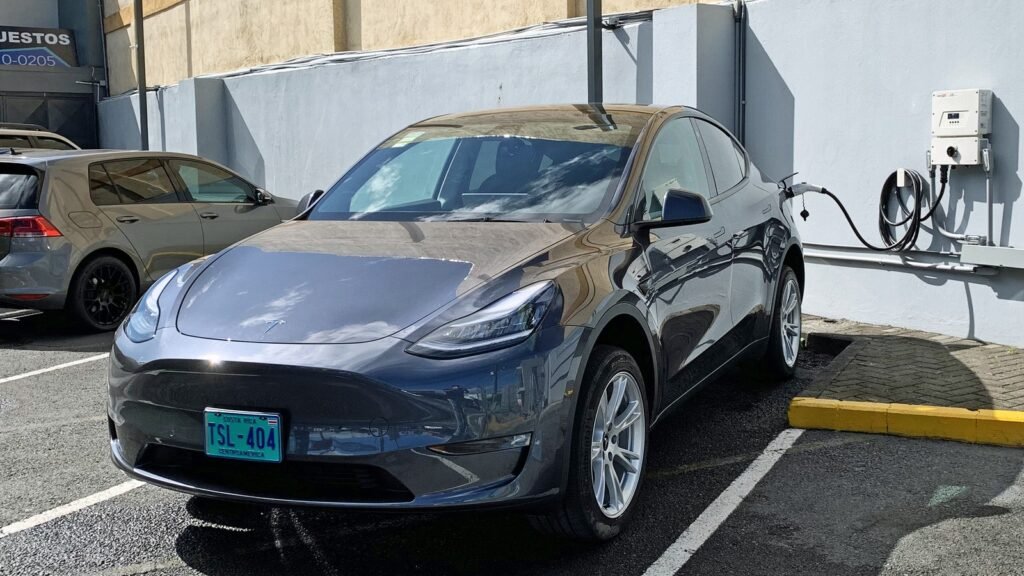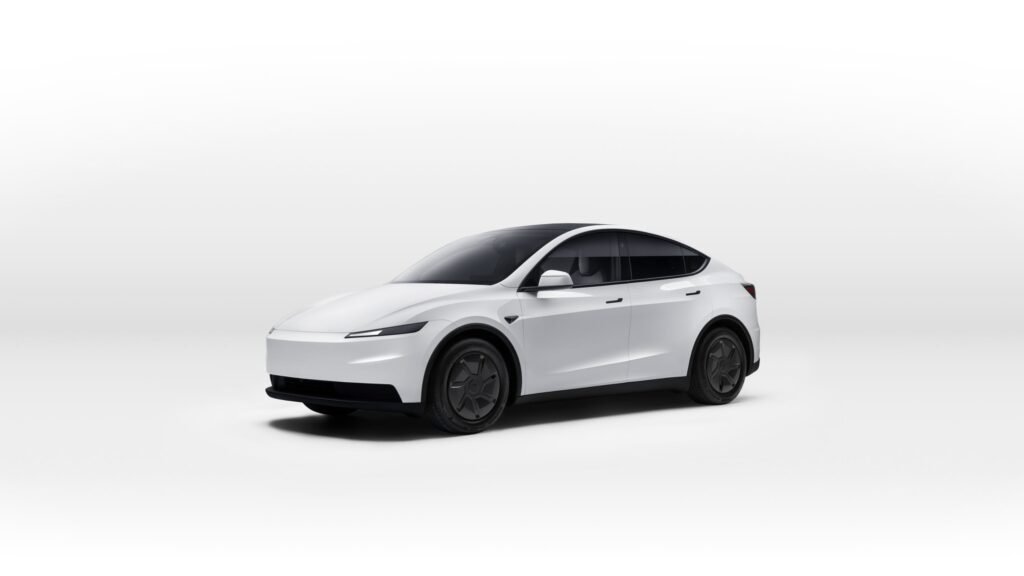
According to Reuters, Tesla’s China-made electric vehicle sales rose 5% from a year earlier in September, climbing to 95,366 Model 3 and Model Y vehicles built at its Shanghai factory. It was the company’s 11th consecutive month of annual gains — and its highest monthly total of 2026. On the surface, it looks like a rebound story. It isn’t. Not the way you think.
The Number Behind the Number
Buried in the same dataset is the detail the headlines skip. The 95,366 figure includes exports to Europe, Asia-Pacific and Canada — and the split tells a very different story: exports surged 58% to 30,529 vehicles, while domestic Chinese sales actually fell 9.4% to 64,837, according to figures reported by CnEVPost.
Read that again. The “Chinese sales rebound” is, in the strictest sense, a story about cars leaving China — not cars being bought by Chinese drivers. September’s growth came from ships, not showrooms.
The Two-Tesla Problem
The quarterly math makes the divergence even starker. Reuters calculated that third-quarter sales of Shanghai-built EVs grew 13.7% year over year. In the same quarter, Tesla’s global deliveries fell 2.1%. If China-made output grew nearly 14% while the global total shrank, every market outside the China-export pipeline net-shrank. That’s not a recovery spreading outward — it’s one region carrying the company.
And it needed help to get there. Tesla is offering final-payment discounts of 7,000 yuan (about $1,044) on selected Model Y variants and 5,000 yuan across all Model 3 variants through the end of October, Reuters reports. In the world’s most cutthroat EV market, Tesla is buying volume with margin — a tactic that works for headlines but compounds over time.
Meanwhile, Back Home
The contrast with the United States is brutal. In a separate Reuters analysis of the same week, estimates from Motor Intelligence showed Tesla’s US sales fell 14% in the first three quarters — and that was the good news: Ford’s EV sales collapsed 68% and GM’s dropped 43% over the same period. Honda has decided to end EV production after this year entirely. The one genuinely healthy corner of the American market? Used electrics, up 19% through September, as buyers hunt value the new-car market isn’t giving them.
Why This Matters
The commodity coverage of this story will frame it as “Tesla’s China rebound.” That’s technically true and practically wrong. What actually happened in September is that Tesla found a new way to move metal — exporting through Shanghai to Europe and elsewhere — while Chinese consumers kept drifting toward domestic brands like BYD. The 11-month streak of gains is real, but it’s a logistics achievement as much as a demand one, and it’s being funded by discounts.
None of this means Tesla is in trouble. Third-quarter global deliveries of 486,532 vehicles beat forecasts, and the stock just hit a three-month high. But it does mean the recovery story has an expiration date: exports can only paper over domestic weakness for so long, and every yuan of discount narrows the margin cushion. The quarter to watch isn’t the one Tesla just reported — it’s the next one, when we’ll learn whether September’s exports were a trend or a one-time clearing of inventory before the discount window closes.
Meanwhile in Cars & EVs: Rivian’s R2 Pet Cam is here — but watching your dog costs $14.99 a month, and we did the ownership math Tesla’s marketing skipped. Also: Tesla’s Powershare home backup comes to the Model 3 and Model Y — with one big catch.