Fire Is Dead. Here’s What Replaces It
Amazon announced an all-new tablet lineup on October 8 — and quietly retired one of the most recognizable brand names in consumer tech. The Fire and Fire HD names are gone. In their place: the Alexa Tablet 8 ($230), Alexa Tablet 11 ($330), and Alexa Tablet 12 Pro ($500), shipping October 14 in the US, Mexico, and Canada, and October 19 in the UK, Germany, France, Italy, and Spain.
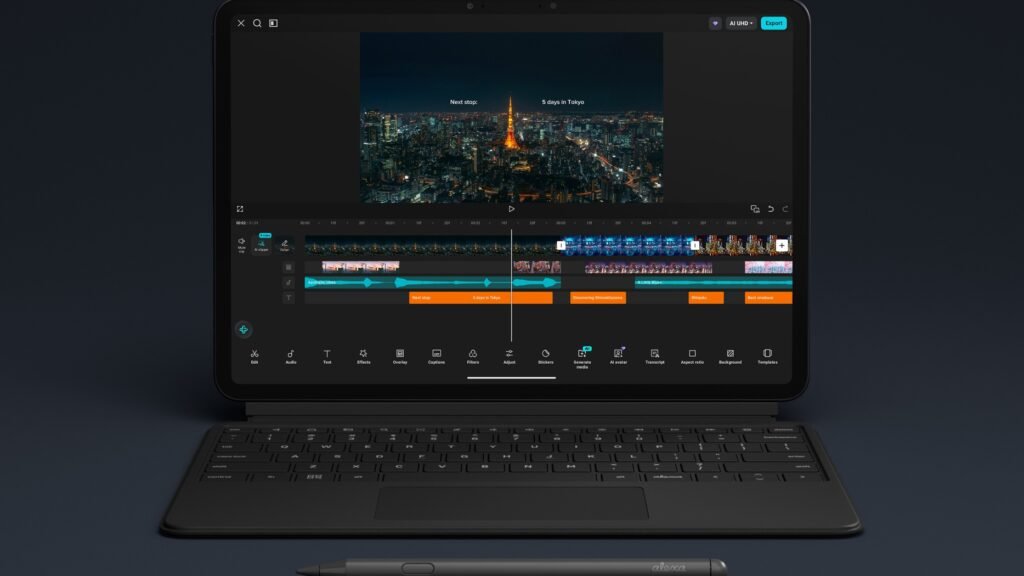
The name change is the least interesting part. For the first time in the brand’s history, an Amazon tablet runs Android with full Google Play Store access. Gmail, Docs, and YouTube sit alongside Prime Video, Kindle, Audible, and Luna. As GSMArena reports, the 12 Pro packs a 12-inch 280ppi 120Hz 3:2 display with an optional Nanomatte anti-glare finish, a MediaTek Dimensity 8400 4nm chip, up to 16GB of RAM, quad Dolby Atmos speakers, Wi-Fi 6E, and up to 16 hours of video playback. Optional accessories: a $90 pen and a $150 detachable keyboard. Alexa+ is built in, with on-screen intelligence off by default.
Which One Should You Actually Buy
The lineup is refreshingly honest about who each model is for. The $230 Tablet 8 is the couch-and-kitchen tablet — video, reading, smart-home control — and the natural upgrade for anyone still nursing a Fire HD 8. The $330 Tablet 11 is the family workhorse: big enough for kids’ schoolwork and travel entertainment. The $500 12 Pro, with its 3:2 productivity aspect ratio and pen/keyboard options, is Amazon’s first genuine iPad-and-Galaxy-Tab competitor rather than a content-consumption device with delusions of grandeur.
Do the total-cost math before you click buy. A 12 Pro with the pen and keyboard lands at $740 — real laptop-adjacent money, and worth comparing against discounted iPads before committing. And note the old Amazon tax survives in one form: 9to5Toys notes the cheaper models still carry lockscreen ads, removable for $20 — a fee that feels increasingly absurd on a $330 device in 2026, and one worth paying on day one.
Why This Matters: The Walled Garden Surrenders
Step back from the spec sheets and this is the single biggest software shift in Amazon hardware history. For over a decade, Amazon’s tablet strategy was the walled garden: a forked Android, no Google apps, a store designed to keep you buying from Amazon. It worked when tablets were $50 loss-leaders for Prime subscriptions. It stopped working the moment Amazon wanted to sell a $500 productivity device — nobody pays flagship money for a tablet that can’t run Gmail.
The tell is what Amazon led with. Not the Dimensity chip, not the 120Hz display — Alexa+. The hardware is now a delivery vehicle for the assistant, and the Play Store concession is the price of admission to the premium tier. Amazon didn’t kill the Fire brand because it felt like a refresh. It killed it because the strategy behind the name lost. The new question isn’t whether these tablets are good values — it’s whether Alexa+ is good enough to be the reason you buy one.
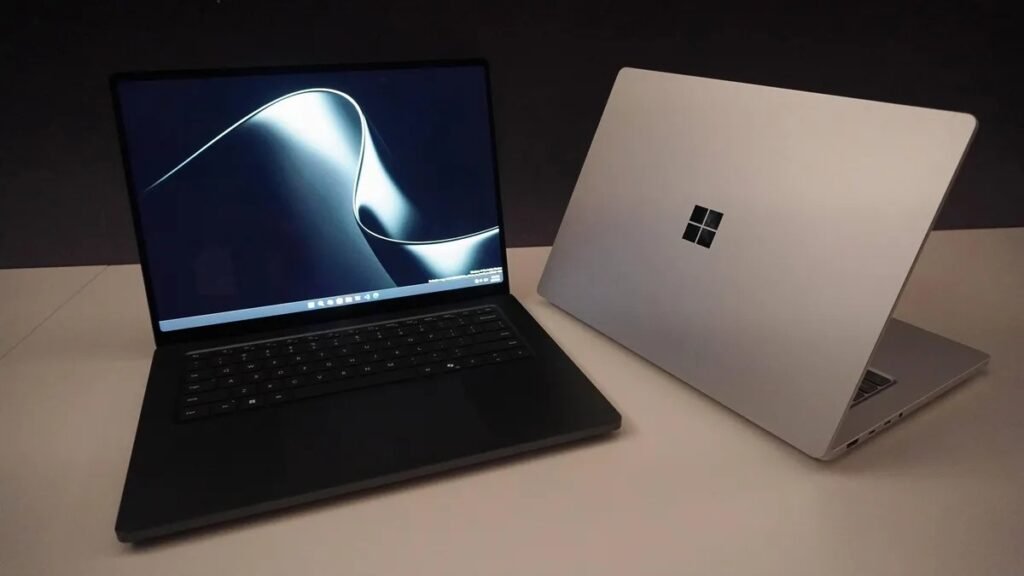
Meanwhile in Gadgets: Microsoft made big claims of its own this week — we decoded the Surface Laptop Ultra’s ‘6.2x faster’ and ‘1 petaflop’ marketing, footnote by footnote.