Artemis III mission specialist Andre Douglas, 40, told Reuters on Sunday that NASA’s next moon-program mission could still launch “as early as June of next year” — then immediately hedged. “Anything can happen,” he said, citing the lander development work still ahead. When the astronaut who will be strapped into the spacecraft is the one adding the caveat, you listen.
The Mission That Stopped Being a Moon Landing
Here’s what June 2027 would actually be. Artemis III was originally the program’s first lunar landing — the return of American boots to the surface. Since NASA chief Jared Isaacman’s program overhaul in February, it has become something else: an Earth-orbit rehearsal where the Orion crew capsule performs crewed docking demonstrations with test versions of the two competing landers, SpaceX’s Starship and Blue Origin’s Blue Moon. The actual landing attempt is now targeted at Artemis IV in 2028. So the milestone at stake isn’t a touchdown — it’s proving the hardware and choreography a touchdown will depend on.
Starship vs. Blue Moon: The Readiness Scorecard
Both contractors face the same two unsolved problems, and they’re the hard kind. First, storing and transferring super-cooled propellants in space — cryogenic fluids that boil off in sunlight and must be moved from depot to lander without a launch pad. Second, docking with another object in orbit, crewed. Neither has been demonstrated at the scale a lunar lander needs.
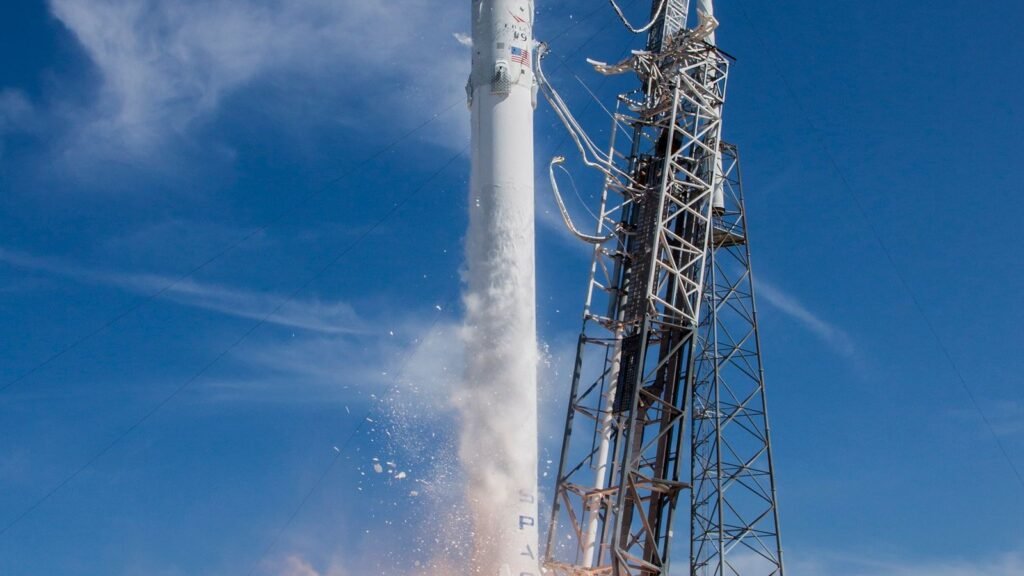
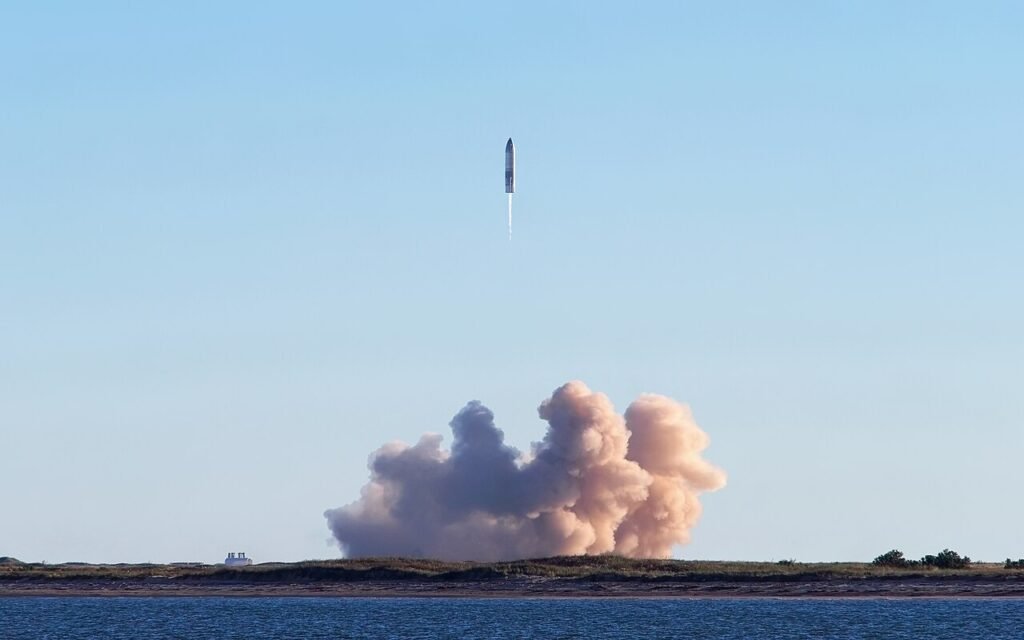
The recent track record doesn’t flatter either side. Blue Origin suffered a New Glenn hot-fire explosion in May 2026. Starship has hit engine setbacks through mid-2026 — Reuters reported in September that the engine failure raised questions about NASA’s moon mission objectives. Two landers, two development sagas, one shared deadline.
The Checklist to June 2027
For Douglas’s “as early as June” to hold, everything on this list has to land: successful orbital propellant-transfer demonstrations from both providers, crewed docking rehearsals with the test landers, and — critically — the readiness reviews Douglas says he and other NASA officials will hold with both companies over the next few months to assess where each spacecraft actually stands. Each of those meetings is a potential schedule slip. June 2027 is the optimistic edge of the envelope, not the plan.
The 2030 Shadow
The schedule matters because it isn’t being set in a vacuum. China is targeting a crewed lunar landing around 2030, and every Artemis delay compresses the margin for an American return first. The crew already named — Douglas, commander Randy Bresnik, Frank Rubio, and Italian astronaut Luca Parmitano — is ready to train. The question is whether the landers they’re training to dock with will be ready to meet them.
Why this matters
The Reuters wire gives you the headline: astronaut says June 2027, but maybe not. What it doesn’t give you is the scorecard — two landers, the same two unsolved technical problems, and a mission that has been redesigned specifically so Artemis III’s rehearsal can absorb the failures Artemis IV can’t afford. Douglas’s hedge is the most honest thing said about the moon program all year. June 2027 is possible. So is everything else.
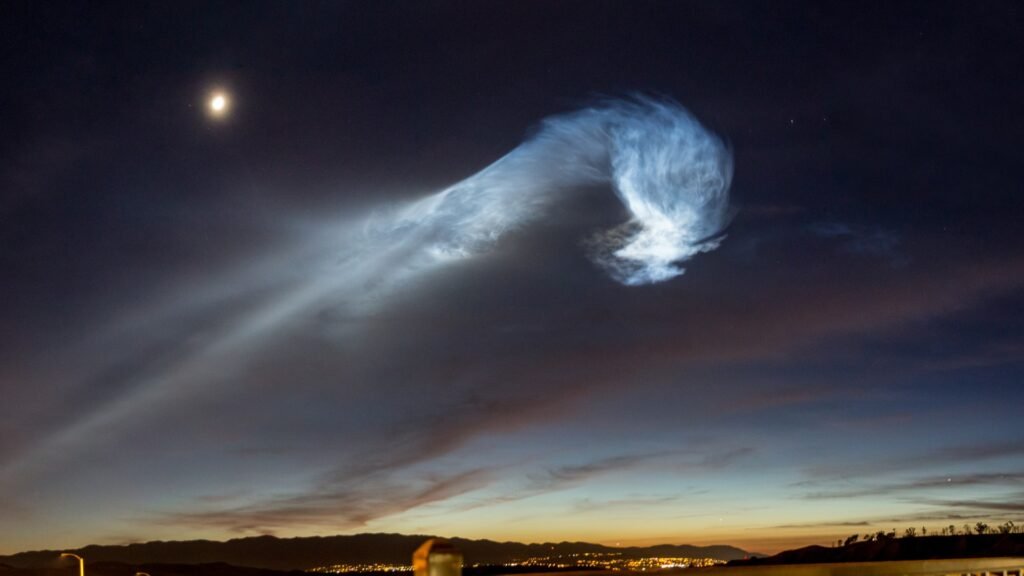
Meanwhile in Space: SpaceX launched the Pentagon’s Tranche 1 mission from Vandenberg — another test of the company juggling act behind Starship.