Munich-based RobCo crossed the $1 billion valuation line on Monday — roughly doubling its valuation from January’s $100 million Series C. But before you picture a billion dollars landing in the company’s bank account, read the fine print: the number was set by a $40 million secondary share sale, not a fresh funding round. According to Reuters, employees sold existing shares to new and returning investors including Cherry Ventures and European Tech Collective. That money went to the sellers, not the startup.
The $40 Million Sale That Made a Unicorn
This is the part of the story nobody at a champagne-toast valuation party explains. In a secondary sale, investors buy shares from people who already own them — founders, early employees — rather than injecting cash into the company. The buyers and sellers agreed on a price that values RobCo at roughly $1 billion, which is a genuine signal of investor confidence. But the company’s bank balance barely moved. It’s a $1 billion price tag, not a $1 billion cash pile — a distinction that matters when the headline travels without the footnote.
Why do it this way? Early employees have been holding shares in a startup founded in 2020 for six years. A secondary gives them a chance to cash out some paper wealth without waiting for an IPO — and it lets new investors buy in without diluting anyone. As Dealroom noted, the transaction brings new backers into the cap table at the unicorn price, which sets the benchmark for whatever RobCo raises next.
January, October, March 2027: The Alfie Timeline
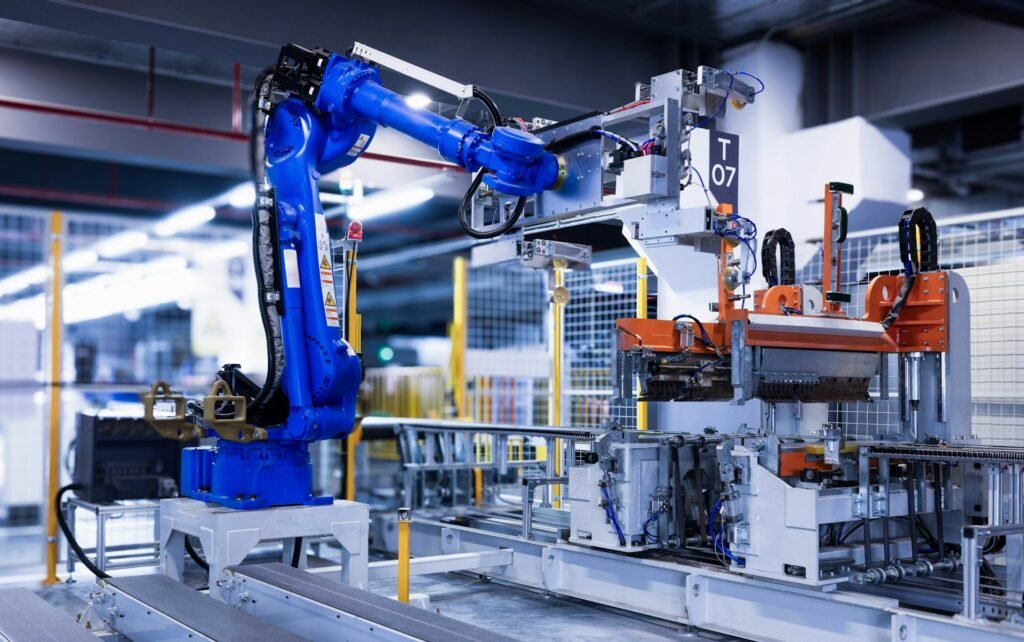
Nine months ago, RobCo raised a $100 million Series C. Yesterday’s secondary roughly doubled the company’s paper valuation. And in March 2027, the company plans to launch “Alfie,” a two-armed, self-learning robot built for the factory tasks traditional automation can’t handle. That’s the through-line: RobCo makes AI-driven industrial robots, and every step on this timeline is building toward a product that does the awkward, variable work that has kept factories waiting for real flexibility. The unicorn label is a bet that Alfie ships on time and finds buyers.
Why the CEO Is Trading Munich for Texas
Co-founder and CEO Roman Hölzl is relocating to the United States, where RobCo says it sees its fastest growth. The numbers behind the move are concrete: customers in more than a dozen US states and assembly operations in Austin, Texas. This is the part the European ecosystem coverage undersells — a German robotics company is betting its growth story on American factory floors, where reshoring momentum and labor pressure are creating real demand for industrial automation. The CEO isn’t moving for the weather; he’s moving to sit next to the customers.
Riding a $33.4 Billion Wave
RobCo isn’t floating alone. PitchBook data shows robotics and “physical AI” startups raised $33.4 billion in the first half of 2026 — already more than all of 2025. Artificial intelligence has gone from answering questions on screens to moving boxes, welding parts, and loading trucks, and investors are pricing that transition aggressively. RobCo’s secondary is one data point in a flood.
Why this matters
The commodity coverage will tell you a German robot startup hit a billion-dollar valuation and its CEO moved to Texas. The real story is what the structure reveals: secondary-driven unicorns are becoming the default in a market where private investors, not IPOs, set the prices — and a Munich-founded company relocating its CEO to Austin says as much about where the industrial-automation demand actually sits as it does about RobCo itself. Watch March 2027. If Alfie ships and sells, the $1 billion price tag looks prescient. If it slips, everyone will reread the fine print.
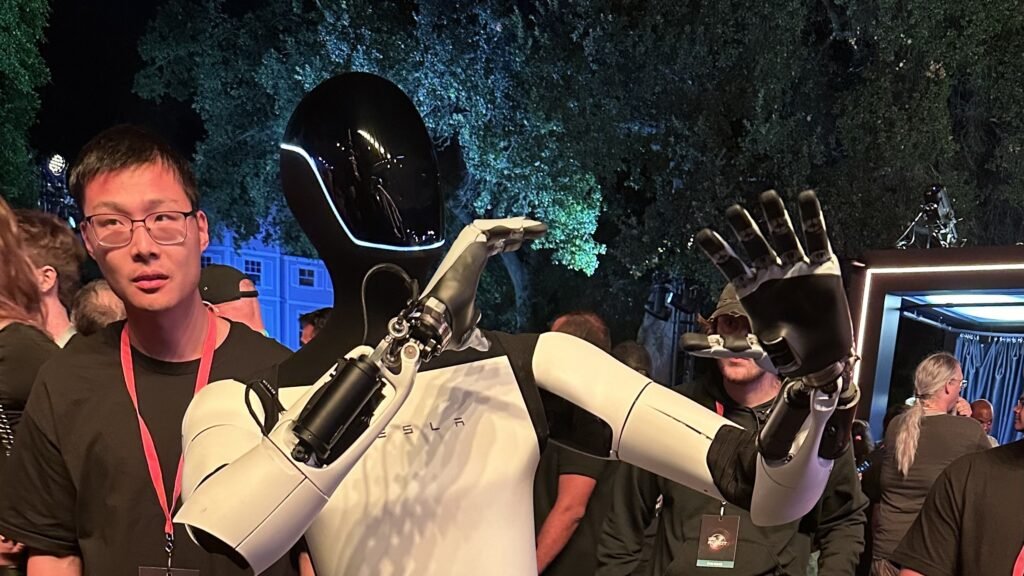
Meanwhile in Robotics: Elon Musk just cut memory on Tesla’s Optimus AI chips to get the humanoid into volume production — a different bet on the same factory floor.