A tiny computer is riding today’s rocket to orbit
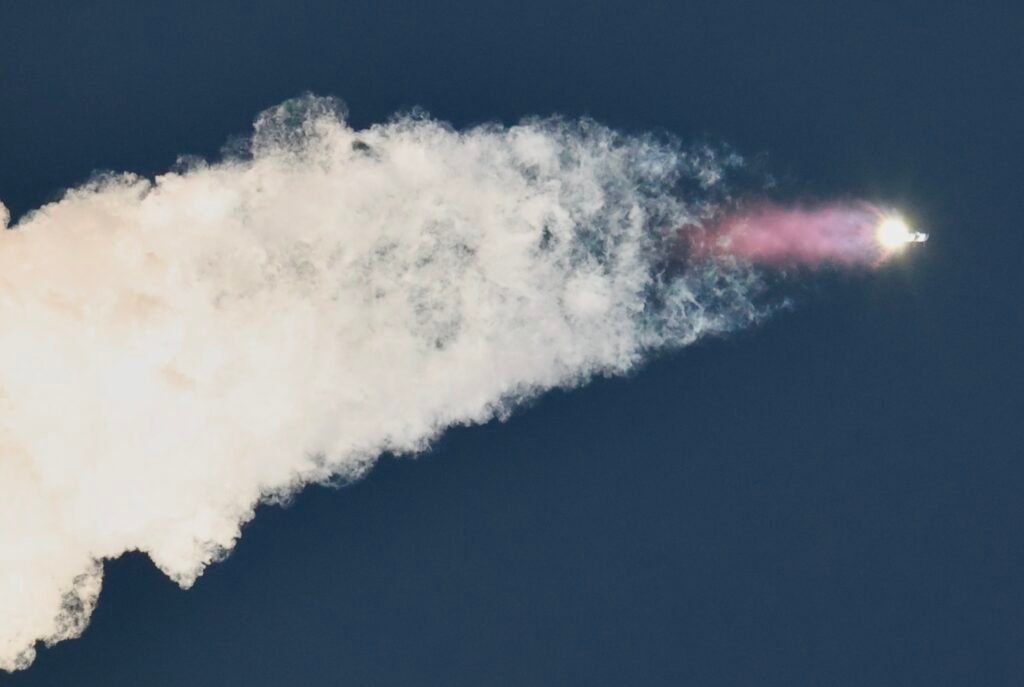
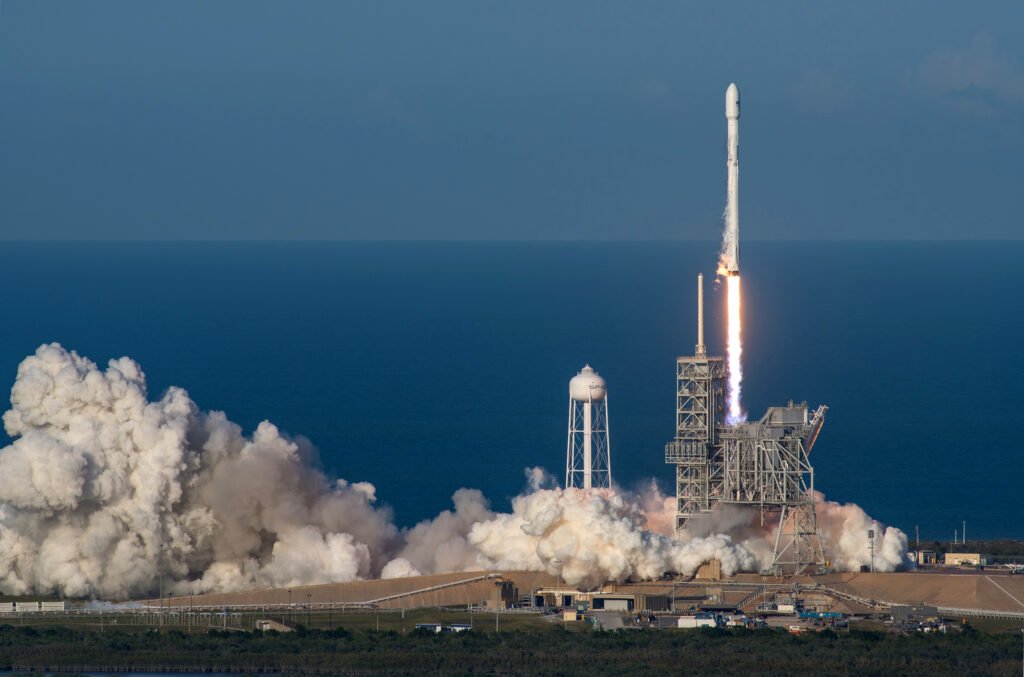
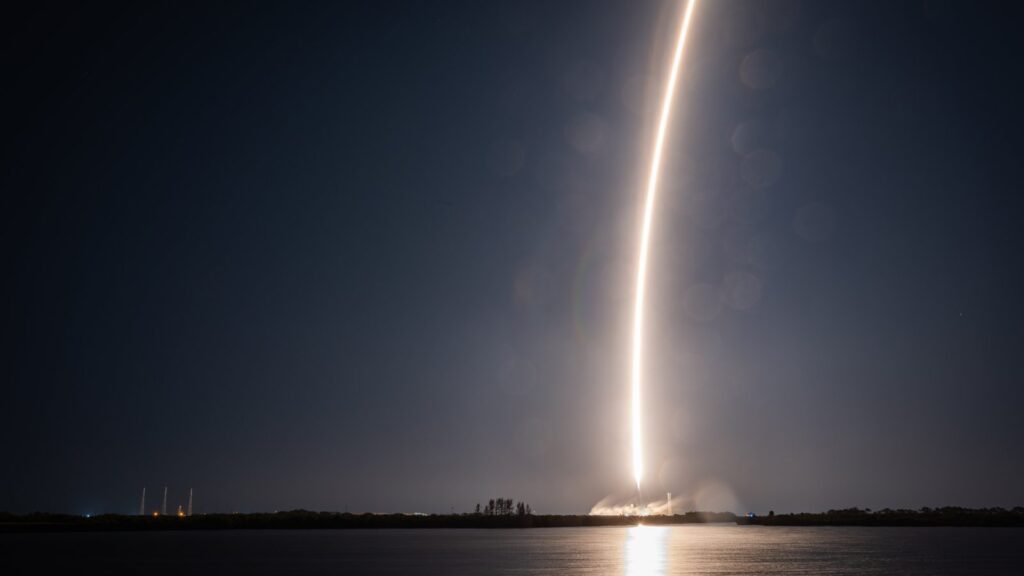
India’s TakeMe2Space is launching MOI-1A, what the company describes as the country’s first orbital-computing satellite, aboard SpaceX’s Transporter-18 rideshare mission today from Vandenberg Space Force Base in California.
The spacecraft is a sub-50 kg satellite carrying Nvidia Orin NX edge-computing processors and running on roughly 150 watts of power. Instead of beaming raw data down for processing, MOI-1A does the thinking in orbit: customers upload containerized AI models to the satellite, which crunches the data as it passes overhead and transmits only the analysis back down. According to Reuters, the mission is scheduled to fly today on a Falcon 9.
Transporter-18 is a packed flight: SpaceX says the rideshare will carry 130 payloads for government and commercial customers. The launch window opens at 8:18 a.m. PT from Space Launch Complex 4E, and in a rare move the booster will come back to land on solid ground at Vandenberg’s Landing Zone 4 instead of an ocean droneship.
23 customers before the first launch
Here is the part the giant tech companies cannot claim: MOI-1A already has customers. TakeMe2Space says it has signed 23 customers for the mission, including geographic information system companies and educational institutions, with commercial users spanning agriculture, mining, supply-chain management and insurance. US-based space data analytics firm Little Place Labs is among them, the Indian Express reports.
The pitch is simple and brutally practical. Earth-observation companies pay a fortune to download terabytes of raw satellite imagery, only to process it on the ground. TakeMe2Space founder and CEO Ronak Samantray told Reuters the math is straightforward: “The customer who sees value in our first-generation satellites is the one paying to download a lot of raw data and then do the compute. The reduction in the cost of not downloading it offsets the premium they pay for compute in orbit.”
In other words, skip the downlink and the economics work. It is an edge-computing play, not an orbital data center. Samantray is explicit that MOI-1A is an onboard edge-computing satellite, in contrast to the more ambitious plans from SpaceX and Starcloud to fly full data-center-grade Nvidia chips in space.
Why this matters: the experiment vs. the storefront
Flying on the very same Falcon 9 is Google’s Project Suncatcher MVP, the search giant’s first AI satellite, carrying four of its custom TPUs to test whether AI chips can survive launch stress, radiation and the thermal extremes of space. Google has said its chips will manage Gemini queries in bursts of only about 15 minutes before needing to power down and cool.
So today’s launch is carrying two competing visions of the same future. Google’s satellite is an experiment: can the hardware even survive up there? MOI-1A is a storefront: the hardware question is settled enough to sell. While the tech giants are still testing whether orbital AI is possible, a startup from Hyderabad is already charging customers for it, on a shoestring 150 watts, with a business model built on deleting the biggest cost in Earth observation: the downlink.
A second chance after a failed flight
The road here was not smooth. TakeMe2Space’s late-2024 technology-demonstration mission validated the core concept: uploading applications, running AI inference in orbit, downloading results. But the follow-up satellite, MOI-1, was lost after a launch-vehicle third-stage failure.
The company rebuilt as MOI-1A and booked a ride on the most reliable rocket flying. The longer-term plan is to build larger, networked satellites capable of serving multiple customers, with bigger spacecraft beginning in 2027 to increase computing capacity and bring costs down.
Meanwhile in AI Tech:
- OpenAI’s GPT-6.1 Sol just rewrote the economics of AI compute on the ground: the orbital race is chasing the same cost curve, just 500 km higher.
- Trump and AI CEOs signed a voluntary safety pact while doubling down on data center expansion: the terrestrial power crunch is exactly what is pushing compute startups to look skyward.