Approval, Not a Launch — Yet
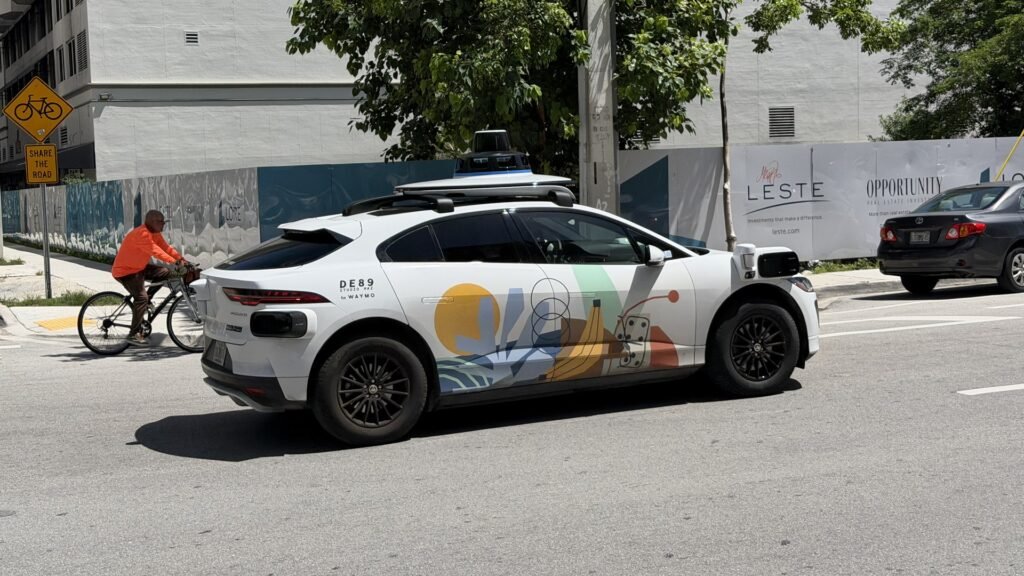
Waymo is coming to Canada. Alphabet’s self-driving unit has been approved to participate in Ontario’s Automated Vehicle Pilot Program, clearing the way for its first operations outside the United States. But don’t expect to hail a driverless ride in Toronto anytime soon — this is a testing approval, not a service launch.
Waymo is following its usual playbook. Trained specialists will first drive the vehicles manually through Toronto to build high-definition maps of the street network. Then comes public-road testing with a human safety operator on board, then driverless testing, and only then — if all goes well — rides for the public. The Canadian Press reports the company is targeting 2028 for its first paying passengers in the city.
Winter Is the Real Test
Here’s what makes Toronto different from every city Waymo has tackled before: it’s the northernmost and, by the company’s own admission, possibly the most wintry market it has ever attempted. Snow and ice are the great unsolved problem in autonomy — lidar, radar, and cameras all behave differently when lane markings vanish under slush and a lake-effect squall cuts visibility to nothing.
Then there’s the local obstacle course: streetcars that stop in the middle of traffic, aggressive winter cyclists, and a downtown grid built long before anyone imagined a robot would need to read it. TechCrunch notes these conditions will test both Waymo’s technology and its operational savvy. That’s the understatement of the announcement — if the Waymo Driver can handle a Toronto February, it can handle just about anything.
The Playbook: Local Fleets, Local Jobs
Waymo isn’t going it alone. The company has partnered with Toronto-based Element Fleet Management to run its local fleet, and says the effort will support hundreds of jobs across maintenance, validation driving, customer service, and operations. It’s the same model Waymo is rolling out in each new market: third-party operators handle the physical fleet while Waymo supplies the Driver.
The jobs angle isn’t just goodwill. Ontario officials have made clear that Waymo’s approval comes with expectations — the transportation minister’s office says the company must keep meeting the province’s safety and operational requirements and deliver on a credible jobs plan with projected positions and hiring timelines for Ontario workers.
The scale of the bet is now enormous. Two years ago Waymo operated in three commercial markets and its cars weren’t yet driving on freeways. Today it runs robotaxi services in 15 U.S. cities, is testing in London and Tokyo, and logs more than half a million paid rides a week with a fleet of around 4,000 vehicles.
Why this matters
Most coverage framed this as another pin on Waymo’s expansion map. The more interesting read is that Toronto is a proving ground disguised as a market. Nobody has yet demonstrated that a camera-and-lidar robotaxi fleet can operate reliably through a real winter at commercial scale — the snow problem is where autonomy hype has historically gone to die. Waymo is also quietly revealing its scaling formula: don’t build local operations, rent them, and trade jobs for regulatory goodwill. Watch how the winter goes; it will tell you more about the future of robotaxis than any funding round.
Meanwhile in Tech News: read about Tesla’s delayed robotaxi expansion in California, and how Tesla’s robotaxis see the world after dark.