China’s Tiangong space station has its first foreign crew member. A Pakistani astronaut stepped aboard on Wednesday, and the milestone says as much about the future of human spaceflight as it does about one mission.
The Shenzhou-24 spacecraft lifted off from the Jiuquan Satellite Launch Center at 8:18 a.m. Beijing time on November 25, riding a Long March 2F rocket into orbit. About three and a half hours later it docked with Tiangong’s Tianhe core module, and by mid-afternoon the crew had floated through the hatch to hugs from the astronauts already living aboard. According to Arab News, which carried the Reuters report, the arrival makes Muhammad Zeeshan Ali the first foreign astronaut to board Tiangong — and the first Pakistani ever to reach orbit.
A 3.5-Hour Trip, Seven Months in the Making
Ali, a 40-year-old Pakistan Air Force pilot, is flying as a payload specialist alongside commander Tang Hongbo and flight engineer Wu Yi. He will spend five to 10 days aboard the station running experiments, then ride home aboard the Shenzhou-23 spacecraft with two members of its crew. Tang and Wu will stay for roughly six months, taking over routine operations from the crew they are replacing.
The short visit was a long time coming. As Channel News Asia reports, Ali trained for seven months in Beijing, including intensive Chinese-language classes — learning songs, reading poetry, practicing calligraphy and playing table tennis between simulator runs. He was selected under a February 2025 agreement between the China Manned Space Agency and Pakistan’s space agency, SUPARCO, and a second Pakistani candidate, Khurram Daud, trained alongside him.
Tang, meanwhile, is making history of his own: this is his third trip to Tiangong, after Shenzhou-12 and Shenzhou-17, making him the first Chinese astronaut to visit the station three times. And while the crews swap places, Shenzhou-23 commander Zhu Yangzhu is staying behind to complete China’s first year-long stay in orbit — a human-endurance experiment that will shape planning for the crewed Moon landing China aims to attempt before 2030.
The Experiments Nobody Is Talking About
The ceremony got the headlines, but the science is the more interesting cargo. Four joint China-Pakistan projects will run during the mission, and Ali’s own experiments are strikingly practical: cultivating photosynthetic cyanobacteria, or microalgae, as a potential source of food and oxygen for future missions, and testing how spaceflight affects quinoa seeds. The work was chosen from more than 300 proposals submitted by Pakistani universities, with food security and climate change as the guiding themes. In total, the mission will carry out 90 science experiments and technology tests.
Why This Matters
Here is the part the wire reports mostly skip: Tiangong is doing now what the International Space Station did in the 1990s — opening its hatch to partners. China is promoting the station as a hub for international cooperation at the exact moment the NASA-led ISS is heading toward possible retirement by 2030, and the United Nations has already hailed the Shenzhou-24 flight as a model for the peaceful use of outer space.
The pipeline matters more than the photo opportunity. A signed selection agreement, a second trained astronaut waiting in the wings, and science picked for food security rather than symbolism — that is a program, not a one-off guest appearance. As other nations weigh where to send their astronauts once the ISS is gone, Tiangong is quietly becoming the only station with an open door and a working invitation process.
“I’m not flying for myself. I carry the name of Pakistan on my shoulder,” Ali told reporters before launch. For Pakistan, the flight is a first. For the rest of the world, it is a preview of what the next space station era looks like — and who is running it.
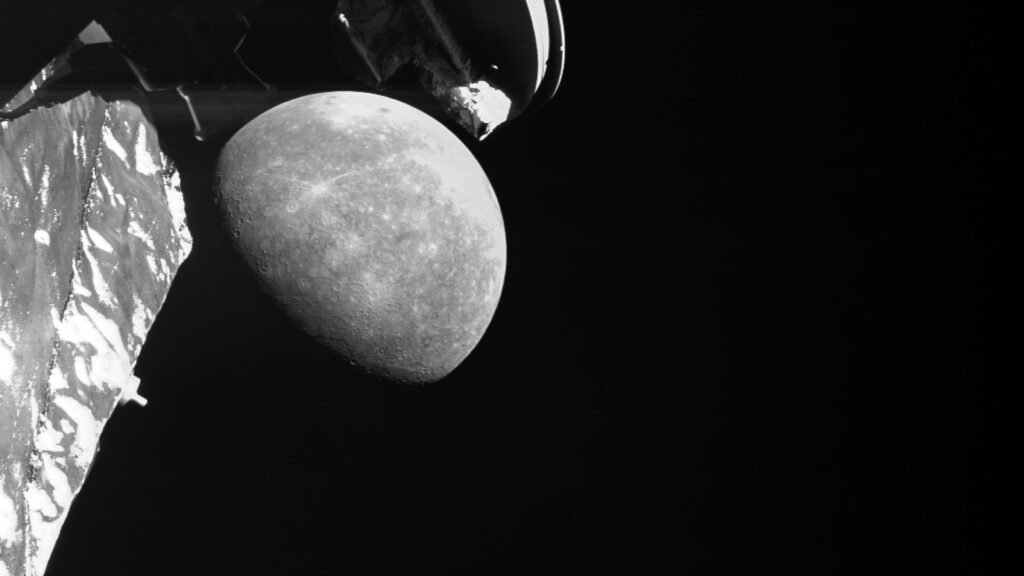
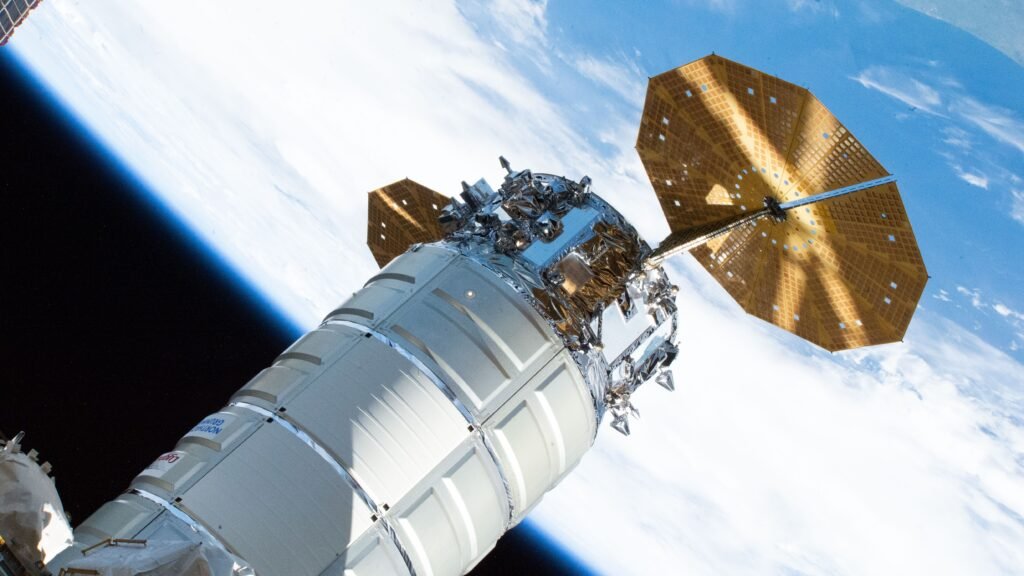
Meanwhile in Space: BepiColombo just reached Mercury orbit after eight years — even as a glitch cut its braking burn short — while the Cygnus XL cargo ship, named for Apollo 13’s Jim Lovell, could push the space station as well as supply it.