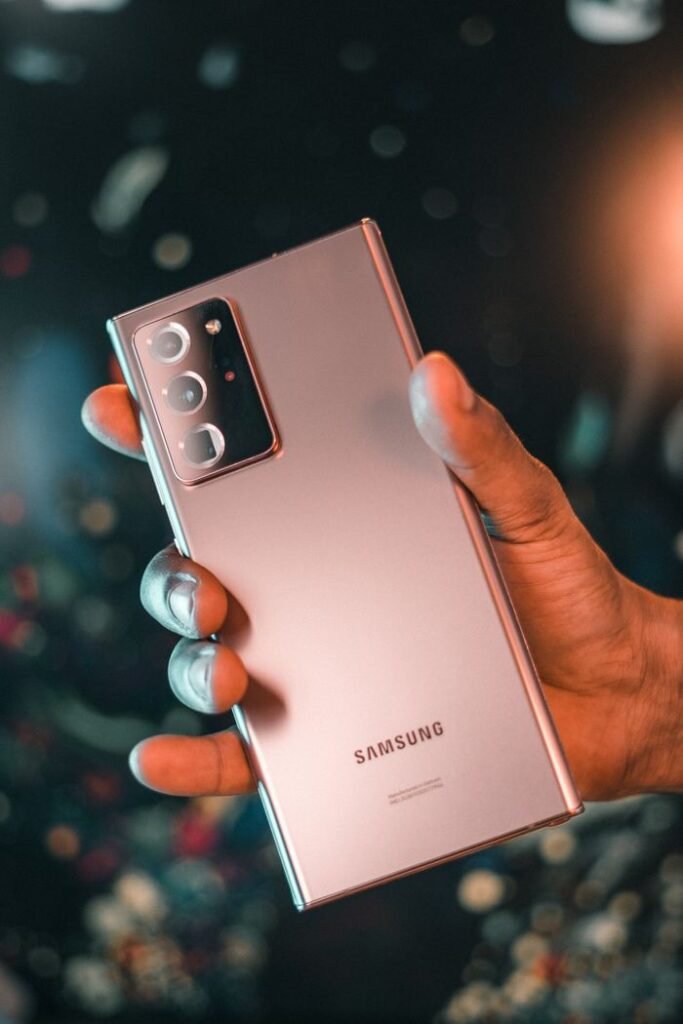
Four years after Samsung’s game-throttling scandal exploded, it has come back with a bill attached. South Korea’s Fair Trade Commission has decided to fine Samsung Electronics 20.1 billion won, about $15.1 million, over gaming claims made for the Galaxy S21, Galaxy S22 and Galaxy Tab S8 series.
According to GSMArena, the regulator found that Samsung marketed the devices as delivering “the ultimate mobile gaming experience” without disclosing that its Game Optimizing Service, or GOS, imposed preset limits on processor performance when demanding games launched. Samsung says it will appeal, arguing it did nothing wrong.
What GOS Actually Did to Your Phone
GOS is a system that manages heat during gameplay by capping how fast a phone’s processor and graphics chip can run. That sounds reasonable until you learn how it worked in practice. According to GSMArena, the service applied its limits automatically when certain games launched, regardless of the phone’s temperature, and the result was freezes, lag and lower graphics quality in demanding titles.
The original controversy, documented by GSMArena in March 2022, was worse than a few throttled games. Users found that GOS limited performance across more than 10,000 apps, including Samsung’s own software and popular apps such as Instagram, TikTok and Netflix, while benchmarking apps appeared exempt. One test of the 3DMark benchmark on a Galaxy S22 Ultra told the story: with GOS off, the phone scored 2,618 points at 15.7 frames per second, but disguised as Genshin Impact, a game on the throttled list, it fell to 1,141 points at 6.8 frames per second.
Samsung’s defense has not changed since: GOS is a safety feature that keeps phones stable during long gaming sessions. The regulator’s answer has not changed either: a safety feature you do not disclose is still a misleading ad when you are selling “the ultimate mobile gaming experience.”
A Scandal That Refused to Stay Buried
What makes this fine remarkable is its timing. Samsung fixed the worst of the problem within weeks of the outcry. As GSMArena reported at the time, an update rolling out in South Korea in March 2022 switched off the CPU and GPU performance limitations for games and added a Game Performance Management Mode, giving owners a way to prioritize speed.
According to GSMArena, Samsung also points out that the related domestic and international lawsuits have already concluded or been withdrawn. That makes the regulator’s decision the last word in a saga most of the industry had filed away as ancient history, and a warning that a software fix does not erase an advertising claim.
The fine itself is pocket change for Samsung, and the company knows it. What stings is the formal finding of deceptive advertising, plus a corrective order, on products that defined its premium brand for two years. Samsung’s argument on appeal, according to GSMArena, is that the March 2022 update came shortly after release, which is why it believes the penalty is unjustified.
Why this matters
If you own one of these phones, this ruling changes nothing about your device and everything about how you should judge it. The March 2022 fix is now more than four years old, so any S21, S22 or Tab S8 running current software already has the performance-priority option Samsung added under pressure. If you game on one, check Samsung’s Game Booster settings and make sure performance mode is on rather than assuming the phone you bought is the phone you are using.
If you are shopping for a used Galaxy, the lesson is sharper: benchmark scores and launch-day reviews describe a phone’s hardware, not necessarily the software it shipped with. And if you are Samsung, the lesson is sharpest of all. The next time an engineer proposes quietly capping performance to manage heat, someone in marketing should ask what the ad will say, because four years later, a regulator may still be reading it.
Meanwhile in Mobiles: Samsung’s Galaxy S25 is now getting the stable One UI 9 Android 17 rollout. Meanwhile in Mobiles: smartphone shipments just fell 20% as the memory crisis bites.