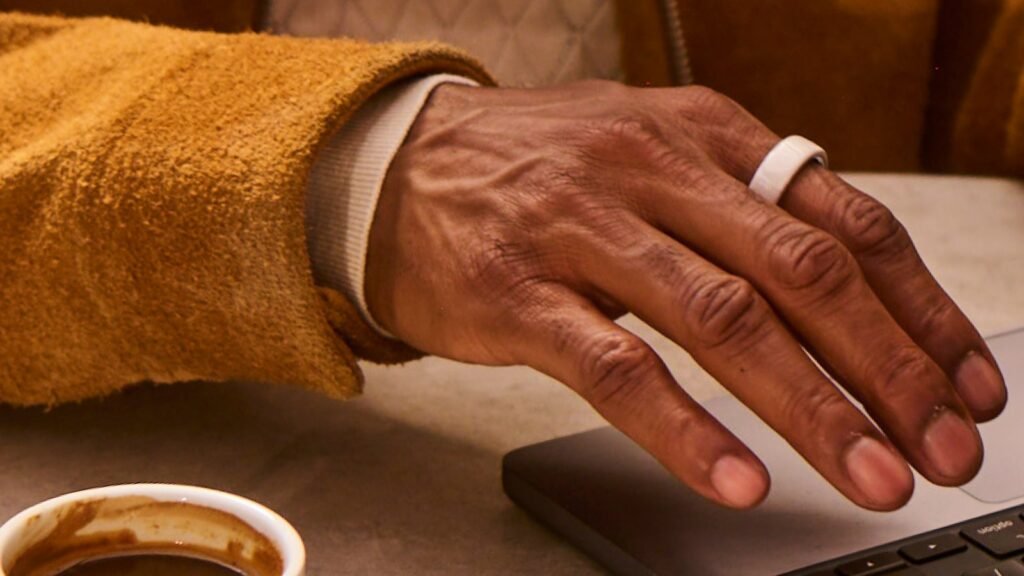
If you wear an Oura Ring and your Android phone still runs Android 11, you have 10 days to protect years of health data. Oura’s support page says the company will drop support for Android 11 on December 8, 2026 — with a warning no other wearable maker has attached to an OS cutoff: if you update your phone after that date, “your historical Oura data will not carry over.”
The notice arrived quietly with Android app version 7.33.0 on November 24. Gadgets & Wearables spotted it first, and The Verge and Android Authority picked it up on November 27. The same warning now appears on Oura’s ring setup guide too — this reads like policy, not a stray line.
The Catch Isn’t the Cutoff — It’s What Happens After
Companies drop old Android versions all the time — Android 11 came out in September 2020, so ending support for six-year-old software is unremarkable. What is remarkable is the consequence. Normally, an OS cutoff means you stop getting new features. Here, Oura says staying on Android 11 leaves you with only “limited” access to some historical features — and updating late means your history may not follow you at all.
That is strange, because Oura normally ties your health data to your account, not your phone. Its own guide for moving to a new phone says everything you have synced comes with you — and even if you lose your old phone and factory-reset the ring, Oura says your synced history remains available. Oura has not explained why updating an operating system a few weeks late would be any different, or whether the warning covers your entire history or only data collected after December 8.
Worse, Oura shut down its web dashboard in October, so the app and the Membership Hub are now the only places to see or download your data — no browser fallback if the app stops cooperating.
The 10-Day Clock Is the Real Deadline
Here is the part that turns a December 8 deadline into a this-weekend job: Oura says preparing a data export can take up to 10 days, and December 8 is 10 days after November 28. Anyone who waits until next week may already be too late. Do these four things now:
- Check your Android version in Settings > About phone. If it says 12 or higher, you are fine.
- If it says 11, install Android 12 or newer before December 8.
- In the Oura app, go to Settings, then Account, and tap Back up all data.
- Request a full export through the Oura Membership Hub — available with or without a membership; Oura emails you when the files are ready.
One honest caveat: neither the backup nor the export guarantees your history will carry over if you miss the deadline — Oura has not said the files can be loaded back into the app. Treat the export as your own copy of your records, not a restore button. If your phone cannot update to Android 12 at all — many 2020 budget phones never received it — a newer handset is the fix. iPhone owners are unaffected: the app still supports iOS 16 and later.
Why This Matters
The longer you wear an Oura Ring, the more valuable its history becomes. Years of resting heart rate, heart-rate variability and sleep patterns tell you far more than any single morning’s Readiness Score — and that long-term trend line is what a membership sells. The Oura Ring 5 was just named one of The Verge’s Best of 2026. The question is whether the company holding your health history treats it with the same care.
The broader lesson applies well beyond Oura: your health data now lives exactly as long as your phone’s operating system support does. Before buying any wearable, ask where your data lives and how you get it out. With Oura, that answer arrives on December 8 — and for Android 11 owners, the time to act is this weekend.
Meanwhile in Gadgets: the QALO SL1 is a subscription-free smart band taking the opposite approach to wearable pricing, and Orrorin’s $799 smart glasses bring Vision Pro-style pinch controls to eyewear.