From December to Launch Day
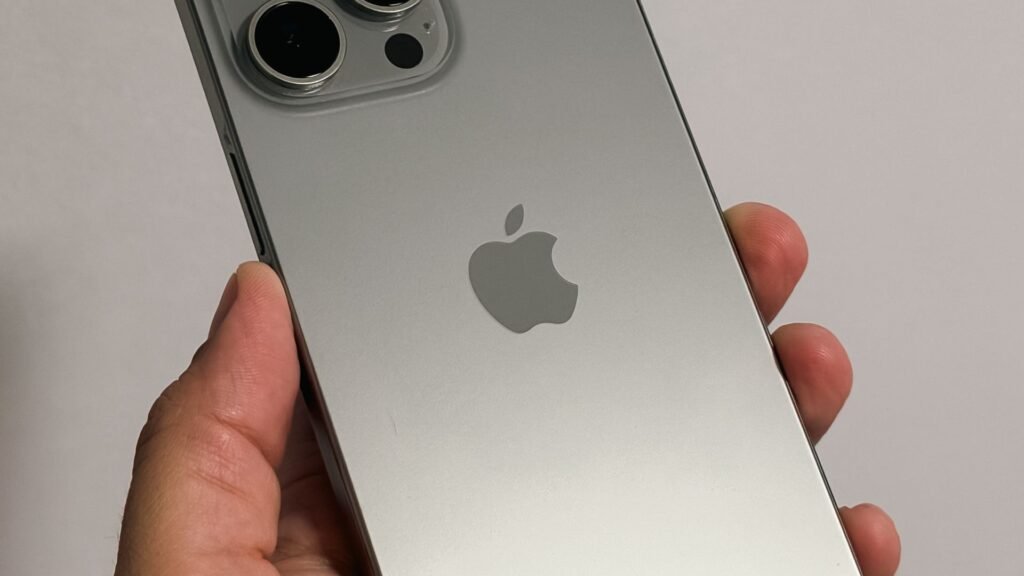
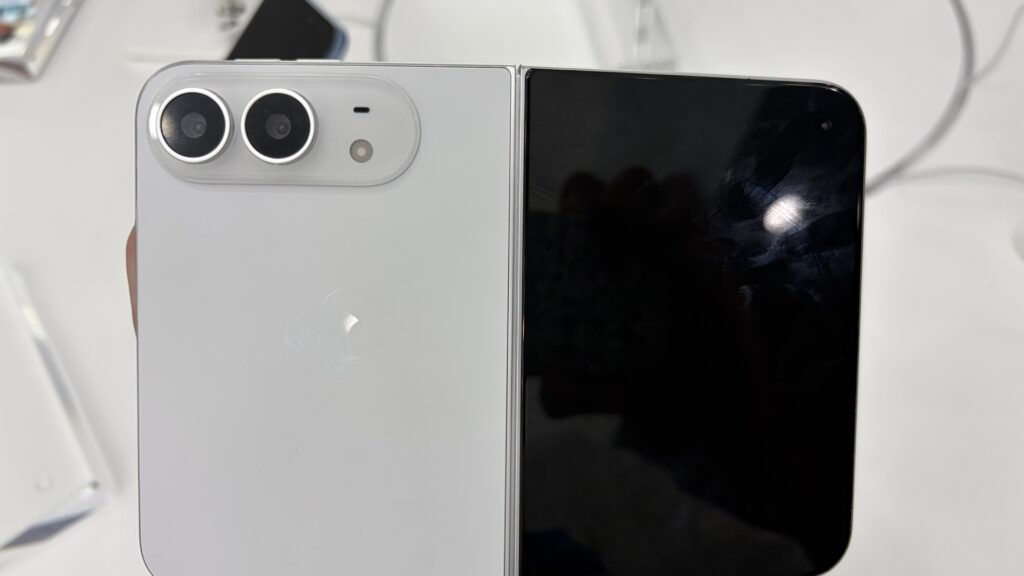
Four days ago, the iPhone Duo was backordered into 2027. Now some buyers are getting it on launch day. According to 9to5Mac, a number of iPhone Duo pre-orders in Japan have had their estimated delivery dates moved up — in some cases dramatically, with one customer’s December estimate snapped back to October 23, the phone’s launch day. An update to the report noted U.S. customers are seeing earlier dates too.
MacRumors found the same pattern in the U.S.: YouTuber Matt Gonzalez saw his Star White 512GB order move from December to November 20–30, while forum members with December 1–8 estimates are now seeing November 16–23. In Japan, one buyer’s window went from December 3–10 all the way to October 24, the day after launch. Apple has not explained the changes, and both outlets caution the new dates could be system errors that get reverted.
The Supply Numbers Behind the Recovery
The delivery bumps look less like luck once you see the supply side. FirstPost reports that Foxconn’s final assembly yields for the Duo were only slightly above 60% as of September 17, per China’s Jiemian News — and that, given Apple’s quality standards, it could take another six months for the line to reach mature yields. Samsung Display’s foldable OLED panels and hinge components reportedly suffered low yields, late deliveries, and design changes, leaving Foxconn less time to fine-tune its production line. Apple even tested liquid metal for some hinge parts before reassessing, per the report.
That context makes the recovery legible: China’s Securities Times reported Apple has raised Duo orders by about 30%, and Apple, for its part, has a long history of underpromising on delivery dates and overdelivering — MacRumors notes conservative initial estimates are part of the playbook.
The Walk-In Wall Holds
Don’t expect the improved dates to mean an easy launch day. Apple is effectively walling off the October 23 in-store launch: staff have been told to warn customers against attempting walk-in purchases, and in Japan and South Korea the Duo — along with the iPhone 18 Pro Max — is limited to pickup reservations. Bloomberg’s Mark Gurman called the pre-order timing a “major mistake,” arguing Apple knew about the severe supply constraints and launched anyway.
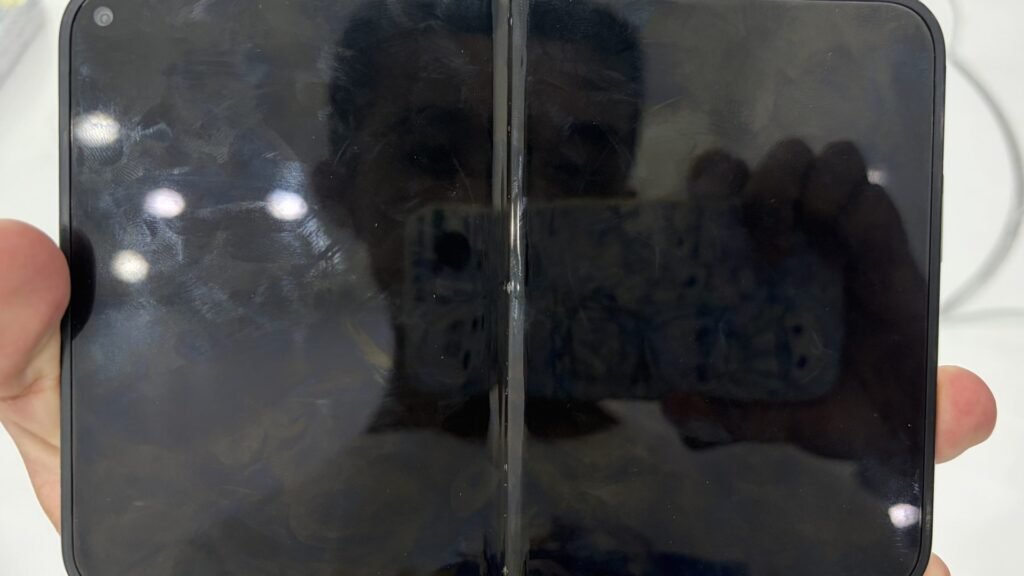
The specs trickling out explain why the constraints bite so hard. The EU’s EPREL energy label lists a 4,883 mAh battery — two cells of 2,962 and 1,921 mAh — bigger than the Pixel 11 Pro Fold and Galaxy Z Fold 8, per Mashable’s reading. The device is eSIM-only worldwide, with a Mohs 5 scratch-resistance rating on the folding screen.
Why This Matters: Real Shortage, Amplified Panic
Every outlet is telling you the Duo sold out. The useful story is the whiplash: Apple went from “nothing short of extraordinary” demand to quietly pulling delivery dates forward in four days — while still telling walk-in customers to stay home. That contradiction is the tell. The sellout was real, but it was amplified by a supply chain running at barely 60% yield, with the hinge and folding display as the bottlenecks. Watch the December-to-November windows: if they keep shrinking, the shortage was launch-day theater. If they stall, Foxconn’s yield curve is the whole story.
For buyers, the practical read hasn’t changed much since our sellout coverage: check your order status — Apple-direct orders are the ones moving — don’t count on October 23 walk-ins, and expect the separate retail allocation to stay thin for weeks. The scalper listings circling $5,000 for 2TB units are still a bad deal at any delivery date.
Meanwhile in Mobiles: our timeline of the 3-minute sellout that pushed deliveries to January 2027, and our foldable buyer’s guide comparing the Duo, Pixel 11 Pro Fold, and Galaxy Z Fold8.