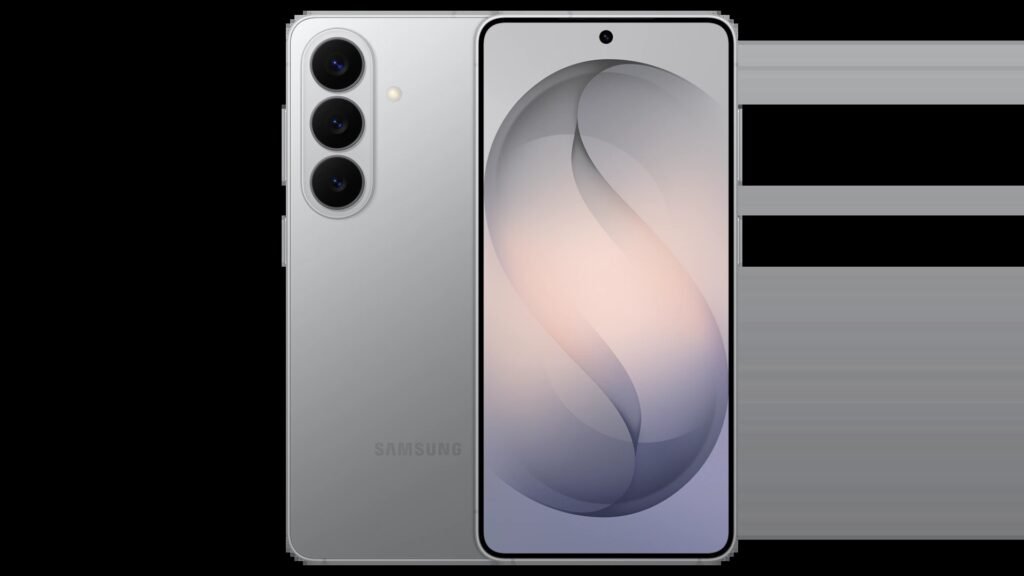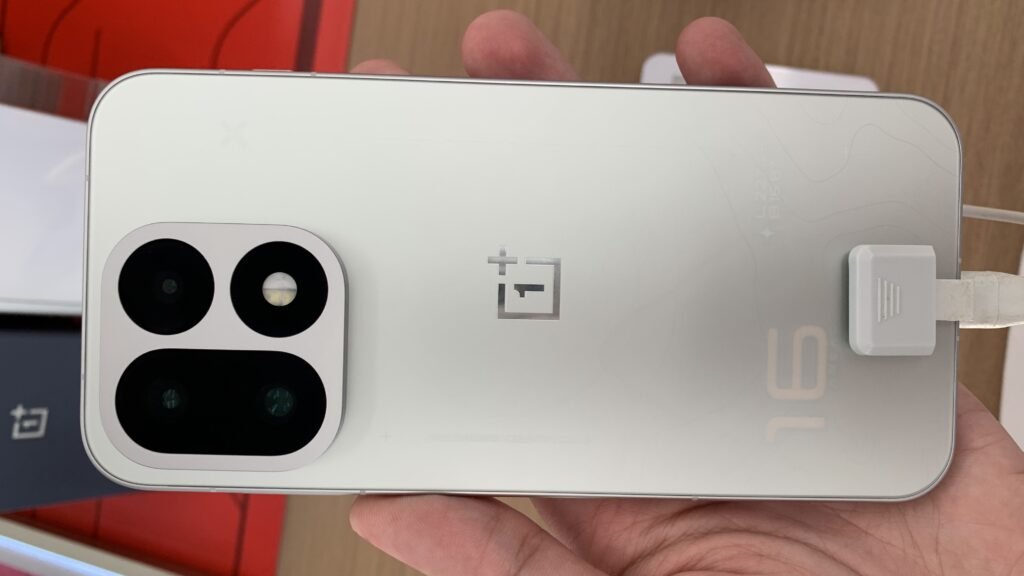
The OnePlus 16R doesn’t exist yet, and it already has two origin stories. Within days of each other, two separate leaks sketched the same unreleased phone — and they disagree on nearly everything that would make you buy it. According to GSMArena, the 16R — expected to be heavily based on the China-bound Ace 7 — would ship with a 200MP main camera, a 6.78-inch 185Hz OLED, and a 9,000mAh battery. Then tipster Yogesh Brar described a 16R at the production-validation-test stage with three 50MP cameras, a 165Hz display, and a battery above 7,500mAh, as Gizmochina reported on Tuesday.
Both can’t be right. Here’s where they clash, where they agree — and what the disagreement itself tells you.
Three Contradictions, One Phone
The camera story is the messiest. GSMArena’s version pairs a 200MP main sensor with a 50MP periscope telephoto offering 3.5x optical zoom, plus a 16MP selfie camera. Brar’s leak ditches the megapixel race entirely: three 50MP sensors — main, ultrawide, and telephoto. The one point of agreement is the important one: the telephoto is back. The OnePlus 15R skipped optical zoom entirely, and both leaks say the 16R corrects that.
The display splits along similar lines: 185Hz versus 165Hz, both on a flat 6.78-inch panel with roughly 1.5K resolution. And the battery is either a headline-grabbing 9,000mAh with 100W wired charging, or merely “above 7,500mAh.” That 1,500mAh gap is the difference between a spec-sheet weapon and a solid-but-ordinary flagship cell — treat both figures as unconfirmed for now.
What Both Leaks Actually Agree On
Strip out the disputed numbers and a coherent phone emerges. Both accounts put Qualcomm’s Snapdragon 8 Elite Gen 5 — last year’s flagship silicon, also powering the OnePlus 15 — at the heart of the 16R. Both point to a metal frame, an ultrasonic in-display fingerprint scanner, and, tellingly, ColorOS 17 instead of OxygenOS 17.
That last detail is the quietest big one. OxygenOS was OnePlus’s software identity; shipping the 16R on OPPO’s ColorOS would mark the effective end of it as a separate skin. Brar adds one more wrinkle: the same hardware is reportedly being tested under Realme branding, which points to a shared platform across the wider BBK family rather than a bespoke OnePlus design.
The timeline, per GSMArena, is a December 2026 or early-2027 launch in India — where the 16R matters more than the actual flagship. The OnePlus 16 debuted in China on October 12, but earlier reports suggested it would skip India entirely, which would make the 16R the company’s real flagship play in its most important market. Unconfirmed Indian pricing chatter lands between Rs 70,000 and Rs 75,000 — a step up from the 15R’s Rs 59,999.
Why this matters
Conflicting leaks this close to production usually mean one thing: the spec sheet isn’t finished. A phone at the production-validation-test stage is weeks from mass production, and Brar’s lower numbers (165Hz, 7,500mAh+, balanced triple-50MP cameras) read like a cost-tuned revision of the earlier, more aggressive rumor (185Hz, 9,000mAh, 200MP). If the 16R has to hit a price near the 15R’s Rs 59,999, something had to give — and the second leak looks like the something.
But the through-line survives both versions: zoom is back. The 15R’s missing telephoto was its most legitimate complaint, and every leak agrees the 16R fixes it. Whatever the final sensor count, that’s the upgrade that will show up in photos, not spec sheets. And keep an eye on the software: if the 16R really ships ColorOS 17 out of the box, it confirms what the Find X10 launch already signaled — the OPPO family now runs on one skin.
Meanwhile in Mobiles: OPPO’s Find X10 Pro Max goes global October 21 — the other half of the family’s October, with ColorOS 17 debuting alongside it.
Meanwhile in Mobiles: the vivo X500E’s leaks can’t agree on its chip either — the season of conflicting spec sheets continues.