The Alexa-to-Atlas Bet
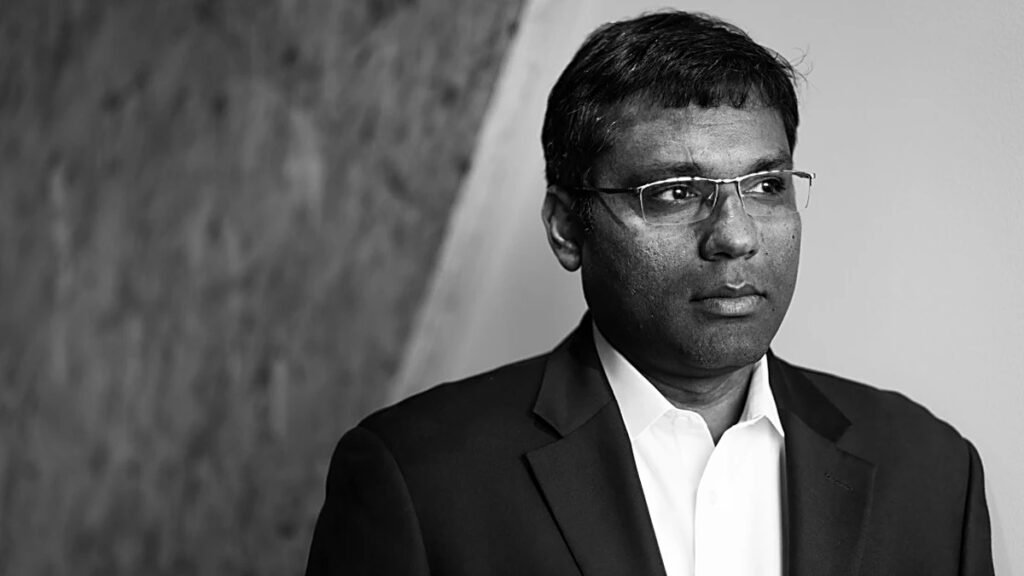
Boston Dynamics has a new CEO, and he has never run a robotics company. According to Reuters, the Hyundai-owned firm named former Amazon executive Rohit Prasad as chief executive, effective October 7. Prasad spent 12 years at Amazon — most recently as SVP and head scientist for Alexa and AGI, leading the Amazon Nova foundation-model family — after roughly 14 years at Raytheon BBN. He succeeds Robert Playter, who stepped down in February after six years; CFO Amanda McMaster had been holding the role on an interim basis.
The hire is explicitly framed around “Physical AI” — CNBC TV18 notes the mandate is commercializing intelligent machines at scale. And the scale is not theoretical: Hyundai plans to deploy Atlas humanoids at its Georgia plant starting in 2028 and build capacity for 30,000 robot units a year. That’s the job Prasad was hired for. Not better backflips. Thirty thousand robots a year.
The Scorecard That Decides His Tenure
Here’s what the wire coverage skips: the economics Prasad inherits. Fast Company reports each Atlas costs $130,000 to $140,000 to produce today, with the target at roughly $30,000 at scale — a 4x cost reduction that has to happen while standing up a 30,000-unit factory line. He also inherits a company that spent seven months under interim leadership and a 2026 C-suite exodus that included the CTO’s departure to DeepMind.
So why him? Because Prasad’s résumé is a masterclass in the exact problem Boston Dynamics now faces: turning impressive AI into products hundreds of millions of people actually live with. Alexa went from lab demo to hundreds of millions of households under his watch — messy, imperfect, but shipped at planetary scale. Atlas doesn’t need a better demo video. It needs uptime, task completion rates, and reorders — the unglamorous commercialization scorecard that decides whether “Physical AI” is a business or a research project with a factory.
There is also the question of timing. Hyundai’s 2028 Georgia deployment date gives Prasad roughly two years to take Atlas from impressive prototype to factory-ready product — while competitors aren’t standing still. The humanoid race has no shortage of well-funded entrants; what it lacks is anyone shipping at scale. First to do that credibly wins the narrative, and probably the contracts.
Why This Matters: Physical AI Gets a Product CEO
Boards reveal strategy in hiring. A robotics company choosing a consumer-AI product operator over a roboticist is a company admitting its bottleneck isn’t the robot — it’s everything after the robot. Manufacturing at 30,000 units a year, service networks, software updates, customer support for machines that walk: that’s a product-operations challenge wearing a robotics costume, and it’s precisely the costume Alexa wore for a decade.
The partnerships tell the same story. Bloomberg has reported on Boston Dynamics’ Atlas collaborations with Nvidia and DeepMind — the AI stack is being assembled from outside, which means Prasad’s job is integration and scale, not invention. If he pulls it off, the “Alexa-to-Atlas” pipeline becomes the template for the entire humanoid industry. If the cost curve doesn’t bend, no amount of product polish saves the math.
Meanwhile in Robotics: the money is moving too — robot-mower maker FireFly just filed for a Nasdaq direct listing under ticker FFLY, and we did the share-overhang math the announcement skipped.
Destro AI’s $8M warehouse-robot bet is the software-only kind: a seed round backing the intelligence layer that runs robots and humans as one crew — no robot-building required.