Every humanoid robot startup of the last two years has chased the same dream: full autonomy. Laundry-folding, warehouse-picking, factory-working machines that think for themselves. A San Francisco startup that just exited stealth thinks that dream is aimed at the wrong problem.
Minerva Humanoids has raised approximately $10 million in pre-seed funding led by General Catalyst, with Long Journey Ventures and Credo Ventures as co-leads, to build humanoids for what it calls the world’s most dangerous jobs: onshore and offshore oil and gas work, and public-safety operations. The company announced the round and its first robot, named Roger, on October 6, and says its first paid pilots begin this fall.
The Robot That Phones a Human
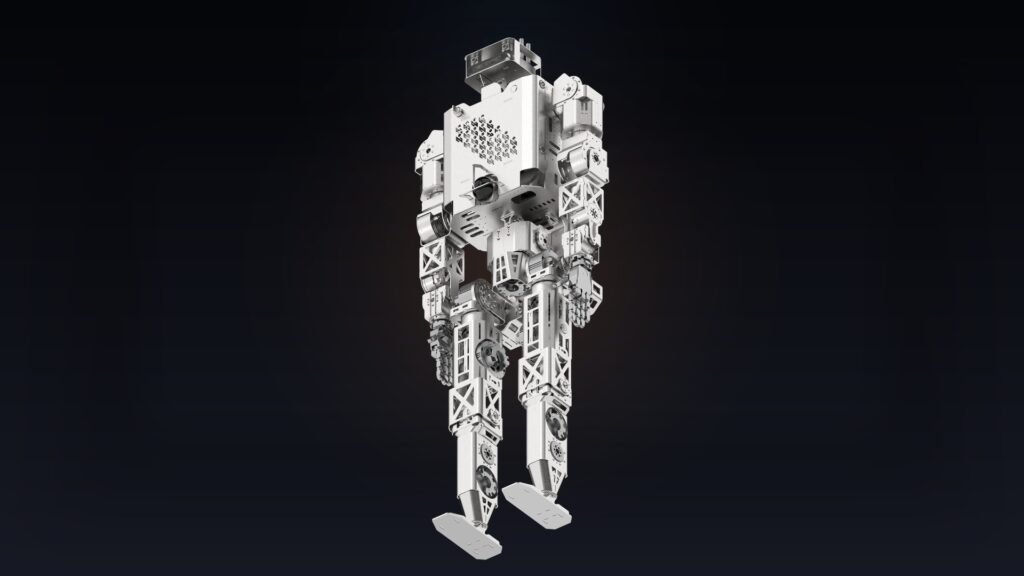
Roger is deliberately semi-autonomous. The robot handles balance, navigation, and fall recovery on its own, but a trained human operator stays in command of the critical work — closing a valve during a gas leak, inspecting equipment on an offshore platform, or handling a suspected explosive. The company says the operator wears a VR headset, seeing through Roger’s cameras and translating their own body motion into the robot’s hands — human judgment, robot body.
“People are dying every day doing jobs the rest of the world takes for granted,” said CEO Sandor Felber in the announcement. “We didn’t set out to replace the people doing them. We set out to build a robot that lets them do the job efficiently from the comfort of their office or home, without asking them to risk their lives.”
A Third Way in the Humanoid Wars
This is a genuine philosophical split from the industry’s two poles. Compare the approaches:
| Player | Model | Target |
|---|---|---|
| Minerva (Roger) | Semi-autonomous; human operator in the loop via VR | Hazardous energy + public safety |
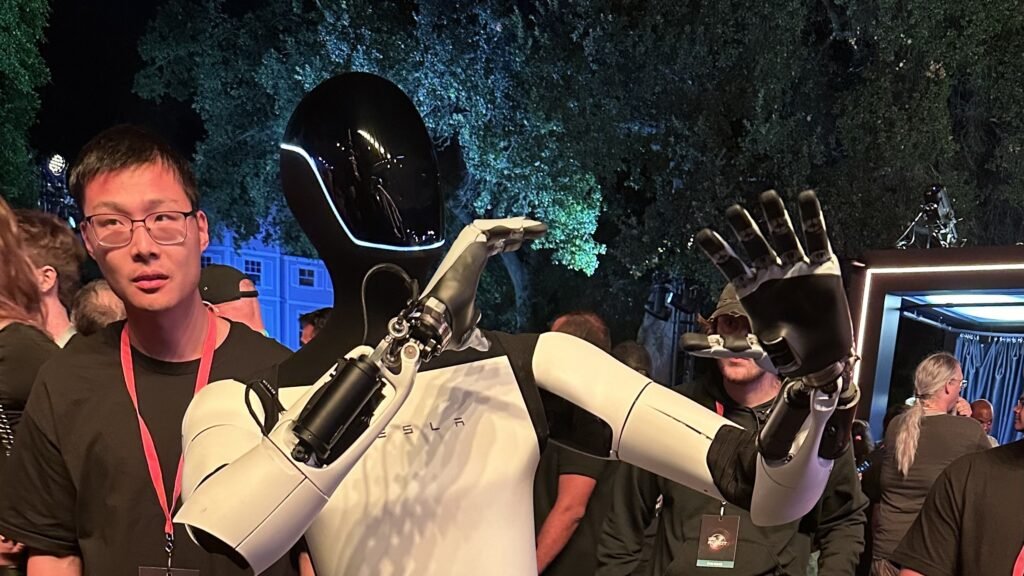
| Tesla (Optimus) | Full autonomy, leased-first deployment | Factories, eventually homes |
| RobCo (Alfie) | Autonomy for physical-AI factory floors | Industrial/manufacturing |
| Classic EOD/industrial robots | Direct remote control, no humanoid form | Bomb disposal, inspection |
Minerva’s argument is brutally practical: in a gas leak, nobody needs a robot to improvise — they need the experienced technician’s hands, minus the technician’s body. Full autonomy is the hard problem; telepresence with a human brain attached is a product you can sell this year. Paid pilots this fall suggest customers are already lining up to test that thesis.
Why This Matters
The commodity coverage reads this as just another funding announcement. The real signal is that the humanoid gold rush is splitting. While Tesla and Figure fight over who reaches full autonomy first, Minerva is building a business on the admission that autonomy isn’t ready for the jobs where mistakes are fatal. That is a smaller market than “every warehouse on Earth” — but it is a paying market, with budgets measured in liability insurance rather than demo videos. If Roger’s pilots convert, expect a wave of “judgment-stays-human” robots in mining, nuclear decommissioning, and disaster response. The investors are betting that the first humanoid industry to actually make money won’t be the flashiest one. It will be the one that admits what its robots can’t do yet.
Meanwhile in Robotics: Tesla is shrinking Optimus’s brain to get the robot out the door. Meanwhile in Robotics: RobCo’s $1B valuation is a price tag, not a payday — and its CEO is moving to Texas.