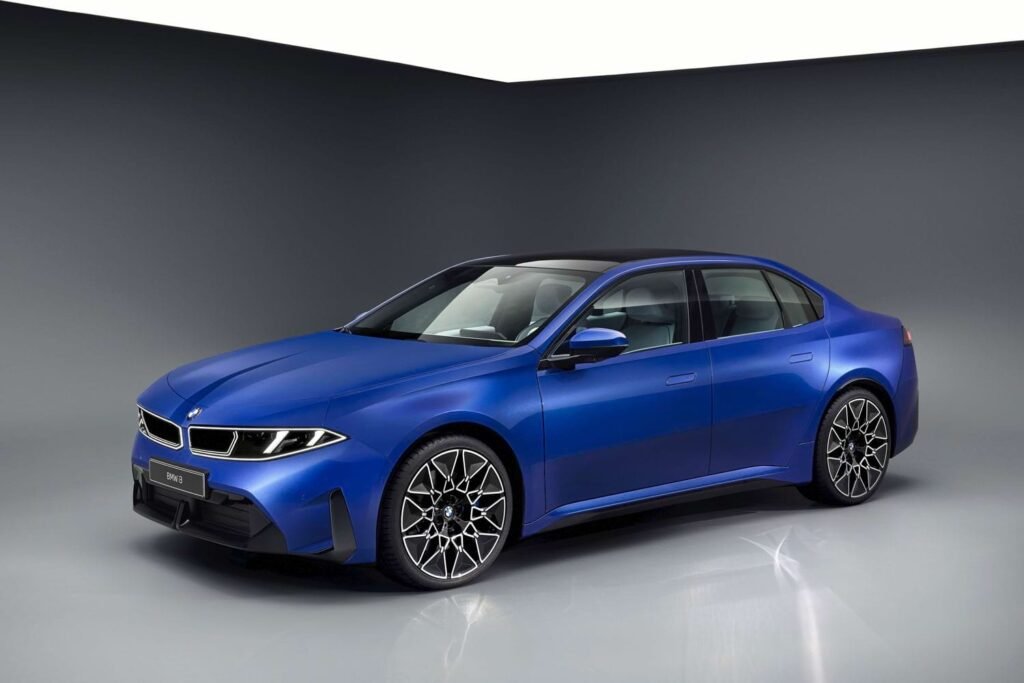
BMW has finally put a price and a range number on the car that will define its electric era: the 2027 BMW i3 50 xDrive. US reservations are open now with a $1,000 deposit, the sedan starts at $61,500 (before a $1,350 destination fee), and BMW claims up to 468 miles of range — a number that would make it the longest-legged electric sedan on sale in America.
The Range Number Everyone Was Waiting For
BMW opened the order books on Wednesday, a week earlier than expected, and the headline spec delivers. The single launch configuration pairs a 322-horsepower electrically excited synchronous motor on the rear axle with a 165-hp asynchronous motor up front, for 463 hp combined and a 4.5-second 0-60 mph sprint. According to Electrek, BMW’s 446-to-468-mile range estimate follows EPA testing standards — and if the EPA agrees, it would leapfrog every mainstream electric sedan currently sold in the US.
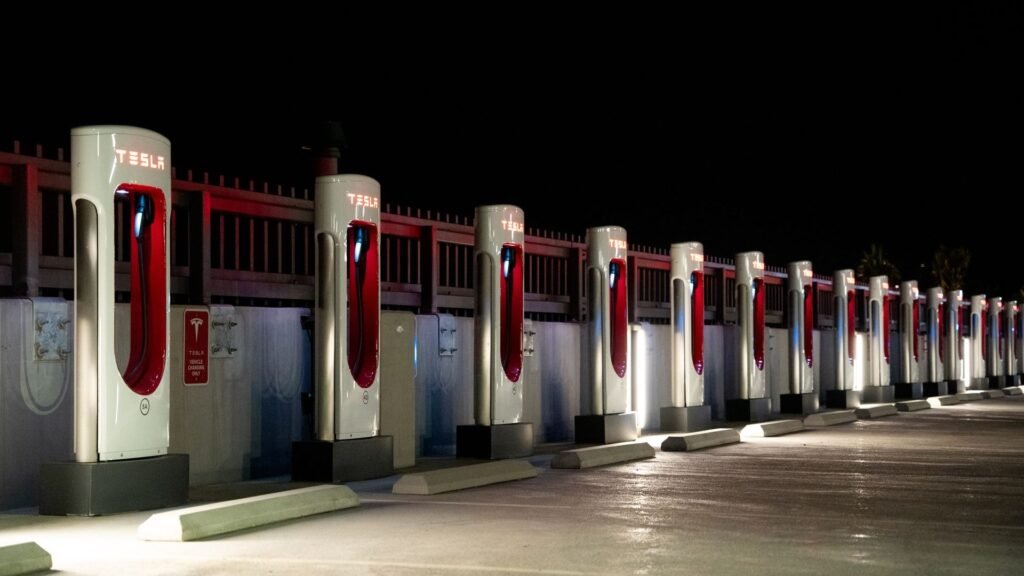
Charging is where the new platform flexes hardest. An 800-volt architecture enables up to 400 kW of DC fast charging, which BMW says adds 191 to 208 miles in 10 minutes. There’s also a native NACS port, so the i3 plugs straight into Tesla’s Supercharger network with no adapter. Inside, the cabin gets BMW’s Panoramic Vision — a full-windshield head-up display — plus a 17.9-inch central screen running the new Operating System X. And with bidirectional charging, the car can even power your house during an outage.
The Detail That Should Worry Every Gas Sedan
Buried in the pricing is the stat that will echo through the industry: the electric i3 50 xDrive costs $4,400 less than the comparable gasoline-powered M350 xDrive ($65,900), while making 26 more horsepower. As TechAmerica’s comparison shows, BMW has delivered what analysts promised for years — an EV undercutting its gas equivalent on the sticker, not after tax credits, not after fuel savings. The base gas 330 starts lower at $49,900, but for the apples-to-apples 3 Series comparison, the electric car is now the cheaper one.
There’s one more quiet engineering flex worth noting: the rear motor uses no permanent magnets. The electrically excited synchronous motor powers its electromagnets with current instead of rare-earth magnets, trimming exposure to a supply chain the whole industry is nervous about.
Why this matters
The commodity coverage of this story will stop at “BMW announced i3 pricing.” The real story is that the EV price premium — the last argument dealers make against going electric — just died in the premium segment, at least on paper. A 468-mile sedan with 400 kW charging, native Supercharger access, and a lower price than its gas twin is the first German luxury EV that doesn’t ask buyers to accept a compromise in exchange for going electric. Whether the EPA-certified number holds, and whether US buyers bite at $62,850, will decide if this is a turning point or a pricing stunt. Reservations are open now, first deliveries land in the first quarter of 2027, and a hotter M-flavored variant follows later that year.
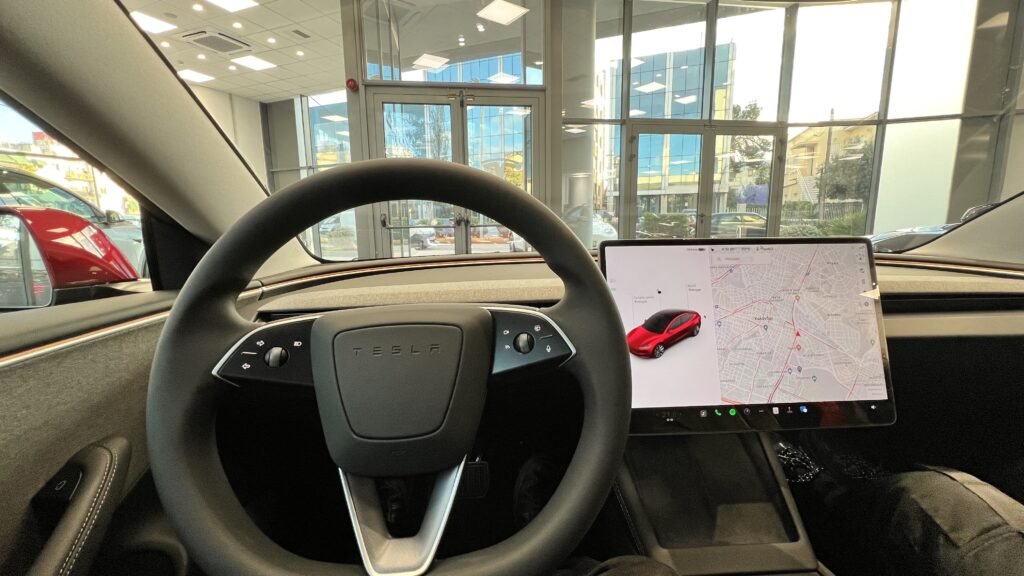
Meanwhile in Cars & EVs: Tesla just gave its own sedan a refresh — read about the new 16-inch screen in the updated Model 3. And in case you missed it, Tesla’s Q3 deliveries beat expectations at 486,532.