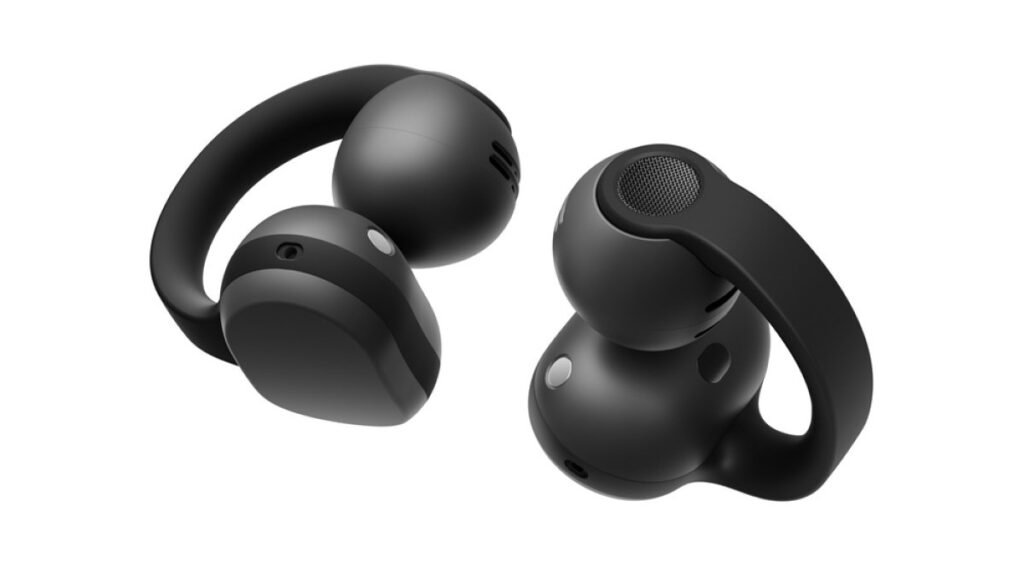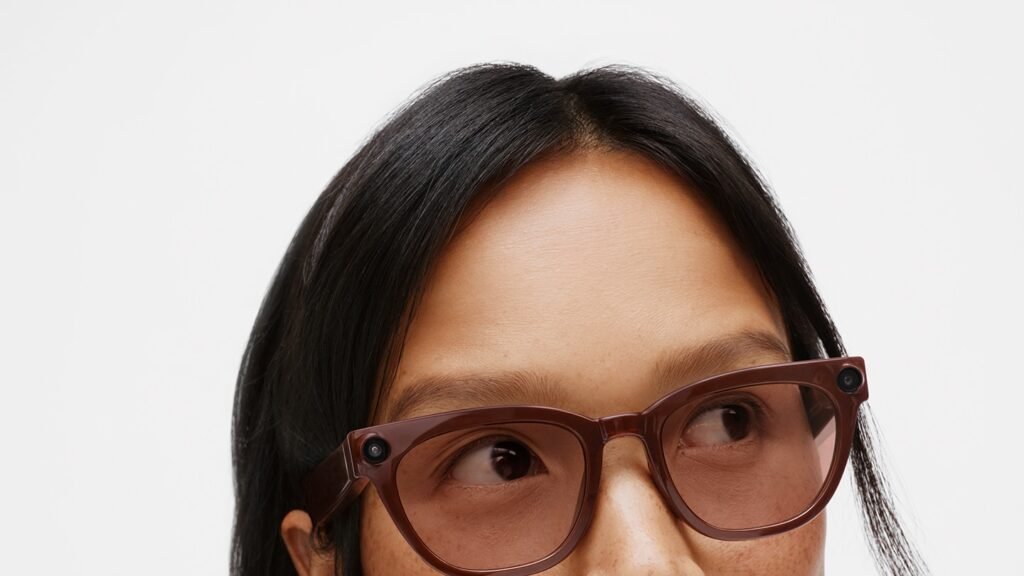
Samsung just put the AI glasses war on a timetable. A Samsung official confirmed to The Korea Herald on October 1 that the company’s first Intelligent Eyewear launches in November — no display, Gemini on board, and designer frames from Gentle Monster and Warby Parker. It is the first serious challenge to a market that one company currently owns outright.
No display, all Gemini
The most important spec is the one Samsung left out: there is no display. Instead, the glasses run on “split computing” — the frames handle capture and audio while a connected Galaxy phone does the heavy AI lifting with Gemini. Trusted Reviews notes the glasses run on Qualcomm’s Snapdragon AR1 Gen 1 chip, purpose-built for this kind of camera-and-audio wearable.
Skipping the display is not a compromise; it is where the market already is. Counterpoint Research data shows 96% of AI glasses shipped in the first half of 2026 had no display. Displays add weight, cost, and battery drain — the three things that have killed every ambitious smart-glasses attempt before this generation. Samsung looked at the data and built for the market that exists, not the sci-fi one.
Nine hours, featherweight frames, and a camera that polices itself
The numbers Samsung is willing to talk about are aimed directly at Meta’s Ray-Bans: 9 hours of battery life with seven full recharges from the case, and a weight target roughly 5 grams under Meta’s 51.5-gram Ray-Ban. In a device you wear on your nose all day, 5 grams is not a rounding error — it is the difference between forgetting you’re wearing them and counting the minutes.
Then there is the privacy play, and it is clever. The glasses carry LED indicators that signal when the camera is recording — and if someone covers the LED, the camera shuts off entirely. It is a hardware answer to the single biggest objection to camera glasses: that you can’t trust the wearer, or the company, to signal honestly. Samsung is betting that privacy-by-design, enforced in silicon rather than promised in a privacy policy, is what gets camera socially accepted.
The 94% monopoly problem
Here is the mountain Samsung has to climb. Counterpoint’s numbers show AI-glasses shipments surged 263% in the first half of 2026 — and Meta captured 94% of them. The Ray-Ban Meta is not just the market leader; for practical purposes, it is the market.
Even Meta sees the camera backlash coming: on September 23 it launched a camera-free Ray-Ban Audio model at just 43 grams, pitched partly around hearing enhancement. When the monopolist starts hedging against its own camera, Samsung’s privacy-LED gambit looks less like a gimmick and more like reading the room correctly.
Why this matters
The real fight here is not Samsung versus Meta on specs — it is a fight over architecture. Meta’s glasses are increasingly self-contained computers for your face. Samsung’s bet is the opposite: the glasses stay dumb and light, and the phone you already own does the thinking. If split computing delivers Gemini-grade AI at 9-hour battery life in designer frames, Samsung doesn’t need to beat Meta’s hardware — it needs to make the Galaxy phone in two billion pockets the brain of the category.
And the privacy LEDs deserve a second look, because they reframe the debate. The question around camera glasses has always been “who do you trust?” Samsung’s answer is “nobody — the hardware won’t let you cheat.” If that design language catches on, it could do for smart glasses what the webcam kill-switch did for laptops: turn a dealbreaker into a checkbox. November will tell us whether the market agrees — and whether Meta’s 94% was a monopoly or just a head start.
Meanwhile in Gadgets: Meta’s camera-free Ray-Ban Audio glasses bet on hearing enhancement instead.
Meanwhile in Gadgets: Apple’s HomePad smart home hub arrives October 13.