A Successful Liftoff From California
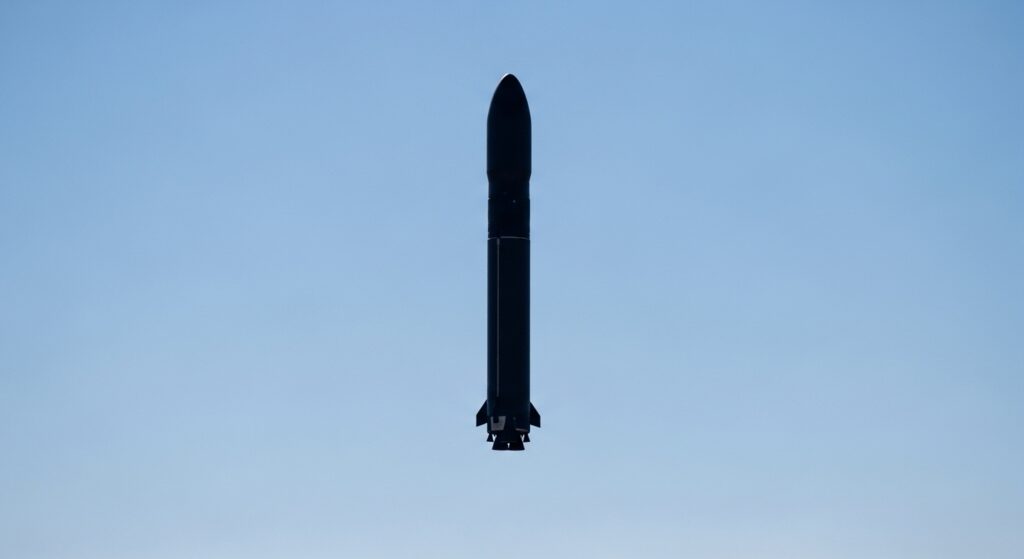
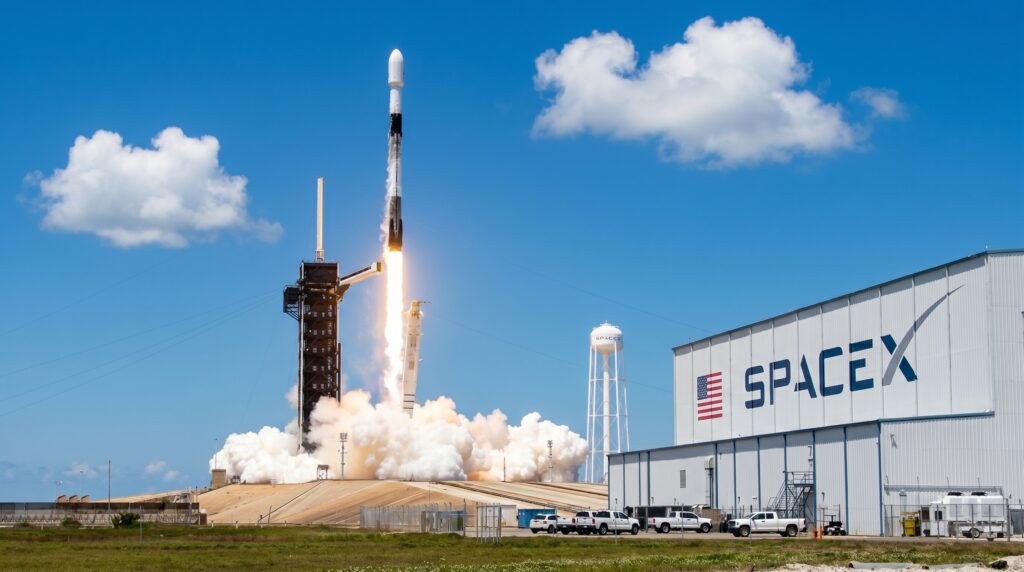
Vandenberg Space Force Base just witnessed another spectacular early morning liftoff. This latest SpaceX launch successfully delivered a classified batch of next-generation spy satellites into orbit for the United States National Reconnaissance Office (NRO). The military mission, officially designated as NROL-179, marks another critical expansion of America’s intelligence-gathering and orbital surveillance capabilities.
Inside the SpaceX Launch Hardware
Because this mission involves national security assets, the exact technical capabilities and the total number of satellites deployed remain highly classified. However, the NRO confirmed that the constellation is designed to provide rapid, actionable information directly to defense intelligence agencies and warfighters.
The rocket’s ascent executed flawlessly. Following stage separation, the Falcon 9 first-stage booster returned less than eight minutes later to stick a precision touchdown on Landing Zone 4 back in California. This successful recovery marks the third flight for this specific reusable booster, showcasing the company’s commanding lead in rapid, cost-effective aerospace logistics.
Beyond Orbit:
The Growing Military Role in Private Spaceflight
The reliance on private aerospace infrastructure for sensitive military operations highlights a massive shift in global space defense strategy.
- The Reusability Advantage: Utilizing flight-proven commercial rockets like the Falcon 9 allows national defense networks to deploy critical tracking hardware into low Earth orbit safely and reliably.
- Rapid Deployment Needs: The streamlined production schedule of private launch providers ensures that defense agencies can deploy large proliferated overhead architectures to eliminate single points of failure.
- Commercial Dominance: As private enterprises continue to outpace public agencies in engine performance and infrastructure scale, the line separating commercial tech from deep-space military defense has completely vanished.