OpenAI launched GPT-5 on August 7, 2025, replacing GPT-4o as the default model. But users quickly reacted—critical of GPT-5’s impersonal tone, slower responses, and abrupt removal of GPT-4o. Emotional connections formed with GPT-4o, especially in communities like r/MyBoyfriendIsAI, fueled the backlash.
(Source: The Verge report on model reinstatement)
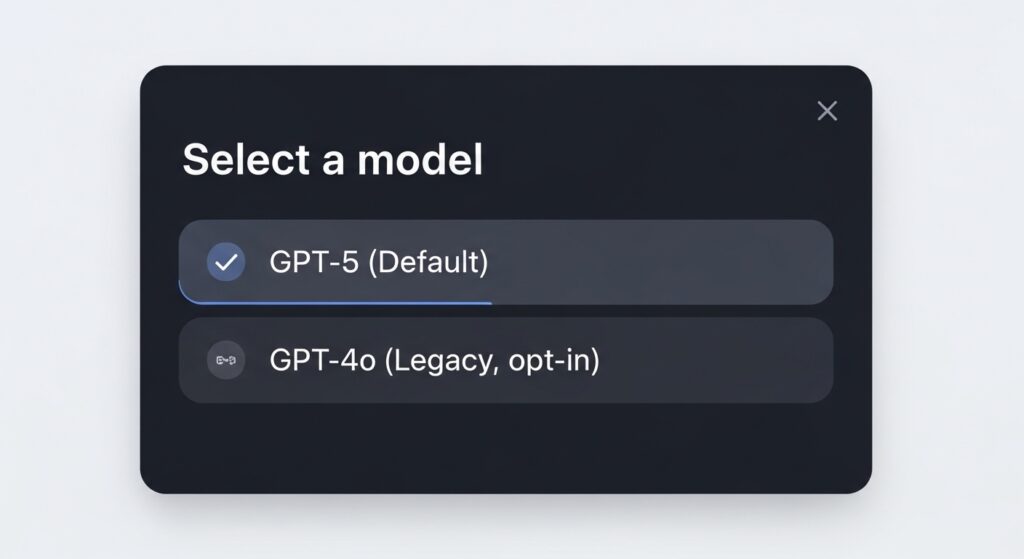
Recognizing the misstep, CEO Sam Altman announced that GPT-4o would return for ChatGPT Plus subscribers, while GPT-5 would remain the default choice. Altman also promised advance notice before retired models are removed in the future.
(Cited in The Verge and Windows Central)
Deeper Context Behind the Rollout
GPT-5 introduced a “real-time router” system to switch among response modes (“Auto”, “Fast”, “Thinking”)—but a malfunction on launch day made responses inconsistent and often worse than GPT-4o’s outputs.
(By Wikipedia)
Users reported feeling “drained” by GPT-5’s tone and slow replies compared to GPT-4o’s warm conversational style. Altman acknowledged they “underestimated how much things people like in GPT-4o matter.” Rate limits for GPT-5 “Thinking” mode were also increased to 3,000 messages per week for paid users.
(Ars Technica)
What This Means for Customization & User Trust
- User control restored: Opting between GPT-4o and GPT-5 supports workflows, emotional compatibility, and creative coding needs.
- Personalization-first shift: OpenAI signals a commitment to user preference over blunt model upgrades.
- Feature transparency: Future deprecations won’t surprise users—model retirement will come with clear announcements.
- This could influence other AI platforms like Anthropic, Google, and Meta to prioritize flexible model selection and adaptability to user habits.