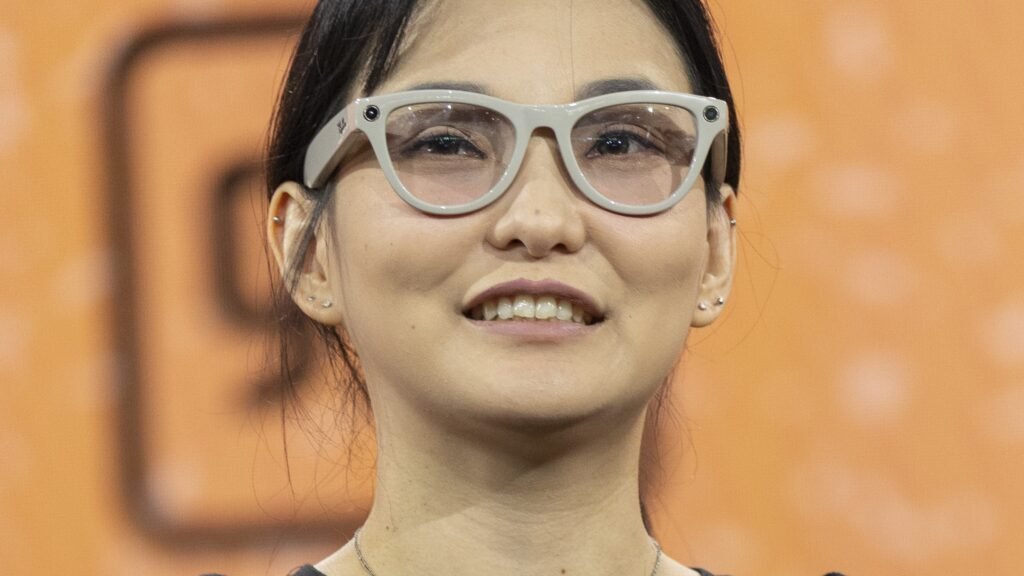
A major retailer has pulled a major tech product off its shelves over privacy. That sentence almost never gets written — and it just happened in the Netherlands, where eyewear chain Hans Anders suspended all sales of Meta’s Ray-Ban smart glasses in the Netherlands and Belgium, becoming the first retailer in the world to do so.
According to Reuters, Hans Anders cited privacy concerns as the reason, and the suspension covers its roughly 400 stores. This is not a fringe protest. Hans Anders is the biggest eyewear chain in the Netherlands; when it pulls a product, the message to every other retailer in Europe is unmistakable.
The backlash timeline nobody assembled
The suspension did not come out of nowhere. It is the latest step in an escalation that has been building for weeks, and nobody has stitched it together until now.
It started last month, when the Dutch data-protection regulator issued a warning about the glasses. Then came the reports that hundreds of Dutch women had been secretly filmed through the glasses, with footage circulated on Telegram — reported by Cybernews and NL Times, and still unconfirmed. This week, Dutch consumer group Consumentenbond threatened court action, and anti-abuse group Offlimits issued a Friday appeal. Hans Anders acted the same Friday. Across the North Sea, UK venues including Wetherspoon pubs and Soho House banned the glasses outright. And in the United States, a lawsuit alleges videos captured by the glasses were viewed by human annotators without the subjects’ knowledge — the American hook that brings this story home for US readers.
Meta’s defense has two pillars, as the company stated this week: the recording LED cannot be disabled by the wearer, and the camera shuts off automatically if it is covered. In other words: trust the LED. That is the whole pitch — a blinking light is what stands between the wearer and the person across the room.
The uncomfortable part for Meta is that the LED defense is exactly what the Dutch regulator’s warning was about. A light that cannot be disabled sounds reassuring in a press release; in practice, critics argue, it is easy to miss at a glance in daylight — and the Dutch backlash gathered momentum precisely because the hardware safeguards looked good on paper while the real-world incidents kept piling up.
Why this matters
The timeline turns a single retailer decision into a trajectory — and the trajectory is what gadget buyers and investors should be reading. Regulator warning, secret-filming reports, consumer-group court threats, advocacy appeals, retail suspension, venue bans, a US lawsuit: that is the escalation pattern that has historically preceded product bans and forced redesigns in consumer electronics. The question is no longer “are these glasses creepy?” It is “is this gadget going to get banned?”
And the stakes go beyond Meta. The Indian Express notes the backlash is spreading across countries, not contained to the Netherlands. Every smart-glasses maker watching this — including Samsung, whose AI glasses are expected in November — just got a free preview of the regulatory gauntlet their launch will have to run. Hans Anders did not just pull a product. It set the price of the next one: prove the privacy case, or watch the shelves empty by someone else’s hand.
Meanwhile in Gadgets: Samsung’s AI glasses launch in November — and they’re coming for Meta’s 94% monopoly.