Your next budget laptop may come with half the memory you expected. Asus co-CEO S.Y. Hsu told investors on the company’s third-quarter earnings call that its budget and mid-range PCs “may move to 8GB” of RAM, down from the 16GB that has become the standard — because memory prices have climbed so high that Asus can no longer pass the cost on to buyers.
According to The Verge, Hsu said Asus can no longer pass “100 percent” of the memory price increases onto consumers. “It used to be that a mid to low tier machine will still ship with 16GB of memory, but now they may move to 8GB due to the memory cost increases,” he said. Asus has not said which models will be affected, or when.
RAM prices broke the 16GB standard
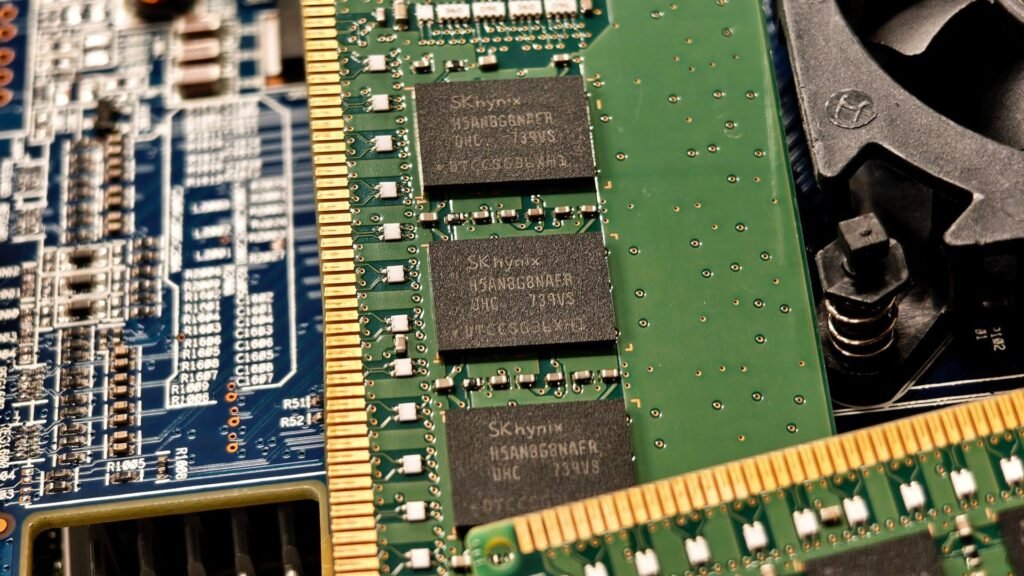
The cause is AI data centers buying up memory as fast as chipmakers can produce it. Samsung and SK Hynix have sold out their 2027 supply, and analysts at IDC predict the shortage could persist well into 2027.
The pain is spreading: the 16GB Raspberry Pi 5 now costs $385 after an $80 hike, Framework, Dell, Acer, Xiaomi and Nothing have warned of price rises, and global PC shipments fell 21 percent year over year in the third quarter of 2026, according to Counterpoint Research. Hsu expects shipments to fall another 10 to 15 percent over the next year.
Is 8GB actually enough in 2026?
The honest answer is: for a lot of people, yes — with caveats. Asus says it has worked with Microsoft on Windows 11 adjustments so that “even 8GB is able to yield an acceptable experience.” Digital Trends reports that Microsoft’s latest tuning keeps up to 2GB more of your open work in fast memory instead of shuffling it to storage, making 8GB machines up to 40 percent faster in the company’s heavy-multitasking test and up to 20 percent more responsive overall.
For browsing, email, streaming, schoolwork and video calls, 8GB in late 2026 is workable, especially on the latest Windows 11 26H2 build. The squeeze shows up with twenty-plus tabs alongside Office files, chat and music: tabs reload more often and the drive kicks in sooner. And there are hard lines — video editing, 3D work and large data sets still want 16GB, and no 8GB laptop qualifies as a Copilot+ PC, since Microsoft requires 16GB for on-device AI.
The one check that matters before you buy
Here is the trap most buyers will miss: many thin and budget 8GB laptops have soldered memory, so the amount you buy is the amount you keep. An 8GB laptop that feels fine on day one can feel cramped in year three, when browsers and apps have grown heavier.
Before you buy any budget laptop this holiday season, check the spec sheet for “soldered,” “onboard” or “not upgradeable.” If the memory is soldered, treat 8GB as a hard ceiling and ask whether your workload will still fit in three years. If the laptop has an open RAM slot, 8GB is a much safer buy — you can add a stick later when prices settle.
Why this matters
The 16GB standard took years to become the default and is unraveling in months. Asus is the first big PC maker to say budget machines may go back to 8GB, but with memory supply sold out into 2027, it will not be the last. Windows has genuinely improved on 8GB hardware — but the cheapest laptops are the most likely to solder that memory in place, so the shoppers with the least to spend most need to check the fine print.
Buy the 8GB machine if your work is light and the price is right. Pay extra for 16GB if you live in your browser, edit anything, or want the laptop to last five years. And check whether the RAM can be upgraded before you check out — that one spec-sheet line is worth more than any Black Friday discount.
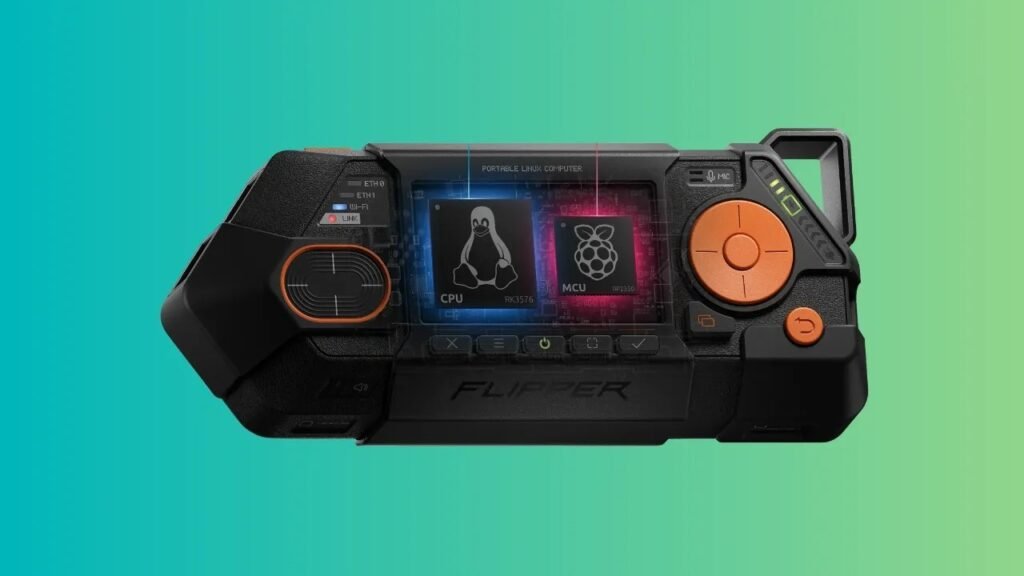
Meanwhile in Gadgets: the Flipper One puts a full Linux computer in your pocket for $399 — a very different answer to the question of how much computer you actually need. And Nothing’s Ear Note earbuds add AI recording to your pocket.