America’s electric-vehicle market is finding its footing again. TechCrunch reports, citing new Cox Automotive data, that EVs captured 6.1% of US auto sales in the third quarter of 2026 — the segment’s best showing since Q3 2025, and its third consecutive quarter of growth after sales cratered when federal tax credits were cancelled last year.
Stephanie Valdez Streaty, Cox Automotive’s director of industry insights, says the market is “finding its footing again,” driven by more competitive EV pricing and high gasoline prices. But the headline number hides the real story: who is winning the recovery — and who is losing it.
The Scoreboard: Winners and Losers
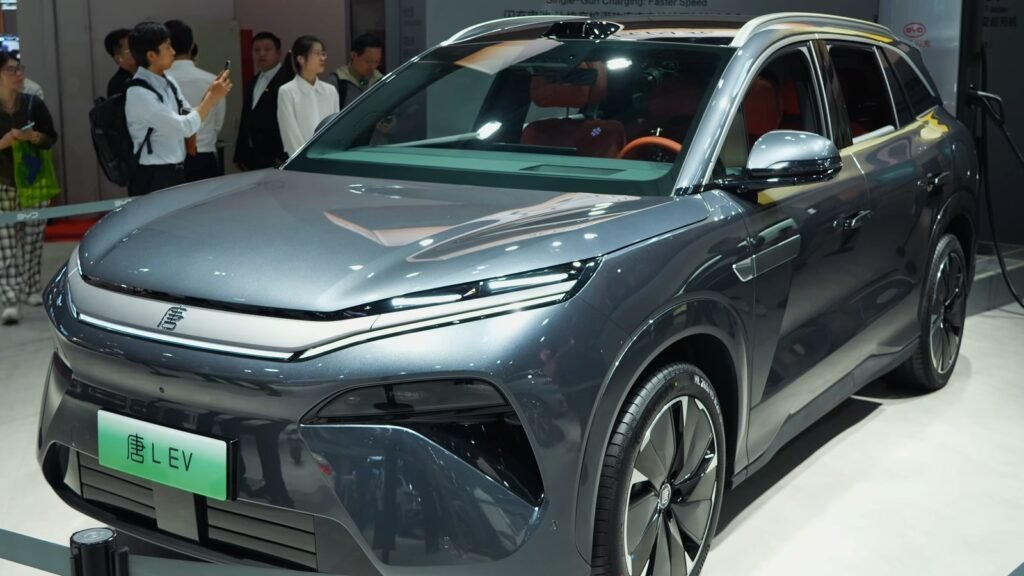
Start with the surprise. Toyota — the company that spent years insisting hybrids were the answer — led the pack alongside Rivian and Subaru. Sales of the Toyota bZ and Lexus RZ roughly doubled after a refresh that added Tesla-style NACS charging ports, bigger batteries, more powerful motors, and faster charging. The lesson is blunt: give Americans the Tesla plug and competitive hardware, and they will buy the EV.
Rivian and Subaru rode the same wave, posting some of the quarter’s strongest gains on the back of expanded lineups and sharper pricing. The common thread among the winners is not brand heritage or marketing spend — it is product that finally meets buyers where they are: longer range, faster charging, and no adapter dongles.
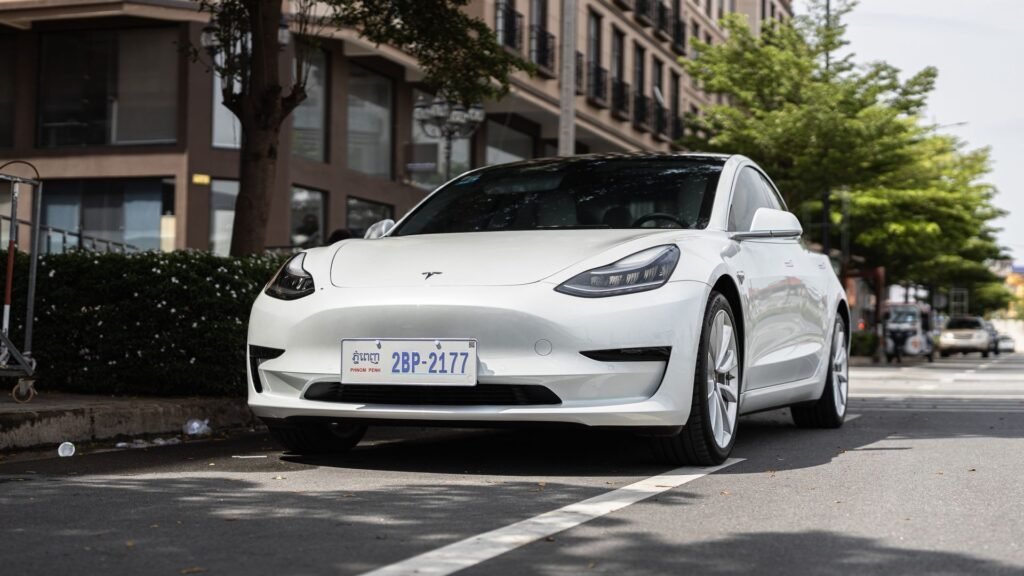
Now the other side of the ledger. Tesla’s US sales dropped roughly 20% year over year — yet the company still sold more than half of all EVs in the quarter. Let that sink in: Tesla can lose a fifth of its volume and remain the market. The recovery is real, but it is still a one-company market with a long tail.
Germany Already Ran This Experiment
The most useful frame for what comes next is not American at all. When Germany ended its EV incentives in November 2023, sales fell by more than half the following month — the same cliff the US drove off when its tax credits were cancelled. Then Germany recovered, slowly and then suddenly: this August was the country’s second-highest EV sales month on record.
The German playbook says the US recovery has further to run. Incentive removal front-loads the pain and back-loads the adaptation: automakers cut prices, charging networks densify, and buyers who were waiting on subsidies discover the math works anyway — especially with gas prices high. Cox’s data suggests the US is tracing the same curve, about a year behind.
Why this matters
Three quarters of growth changes the conversation from “is the EV transition stalling?” to “who captures it?” Toyota’s NACS-port refresh doubling sales is the clearest signal yet that charging-standard friction — not demand — was the binding constraint for legacy automakers. And Tesla’s 20% slide while holding majority share is the number to watch: the first sign that the US EV market is finally becoming a market, rather than a monopoly with spectators.
Meanwhile in Cars & EVs: VW’s $12,500 ID.4 discount — the price war feeding this recovery.
Meanwhile in Cars & EVs: Tesla’s Q3 delivery numbers — the global picture behind the US slide.