Everyone is watching October 13 for Apple’s HomePad — the 6-inch smart home hub, the new HomePod mini, the upgraded Apple TV, all of it running the new Siri. But the most revealing Apple smart-home news this week isn’t the hub. It is the LG logo that will be sitting on the doorbell next to it.
The October 13 Undercard
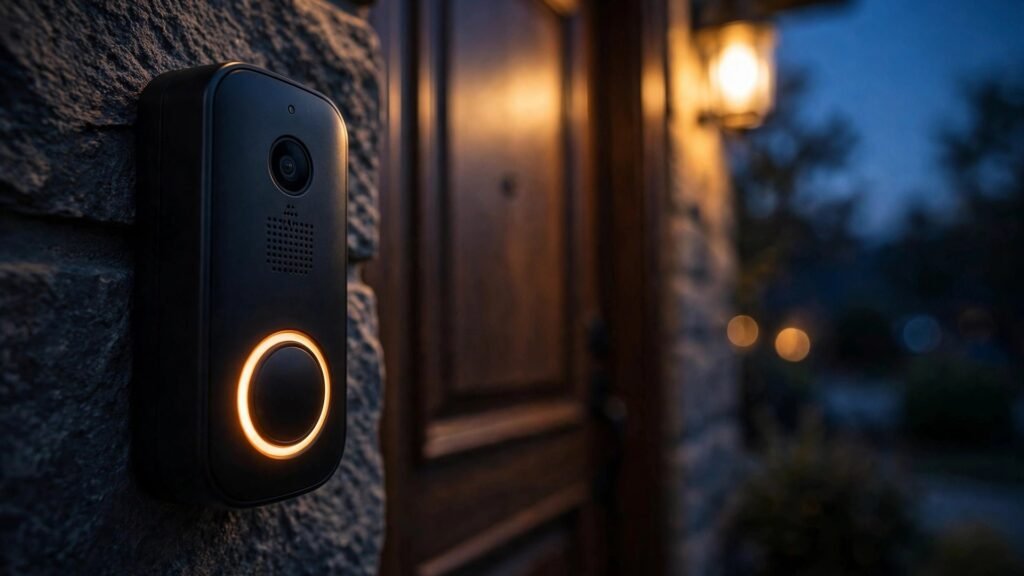
TechCrunch reports, via Bloomberg’s Mark Gurman, that Apple is working with LG Electronics on a full ecosystem of smart home accessories: a smart lock, a thermostat, and a video doorbell, plus a slate of security cameras including indoor, outdoor, and floodlight models. The devices are designed to integrate with the HomePad hub expected on October 13.
The twist: the devices will reportedly carry the LG brand — despite being developed by both companies. Apple co-develops them, shapes the design, and oversees the engineering. Then LG’s name goes on the box.
The FCC Paper Trail
This is not just a sourced rumor; there is paperwork. MacRumors reports that LG submitted documents to the Federal Communications Commission and UL Solutions covering a wired video doorbell, a thermostat, a smart deadbolt lock, a temperature sensor, an indoor security camera, an outdoor security camera, and a floodlight camera. Apple is not mentioned in the filings, and LG asked the FCC to keep details confidential. The devices support Wi-Fi, Bluetooth, Thread, and Matter, with the lock also offering ultra-wideband for close-proximity auto-unlocking.
The accessories are not expected to be ready for a few months — the October 13 event will likely announce them without a ship date. But the filings tell us the lineup is real, the radios are decided, and the brand decision is made.
Apple’s Quiet Admission
Bloomberg’s framing is polite: a “second-party supplier” arrangement lets Apple expand its ecosystem without shouldering the cost of producing and supporting many accessories. The impolite translation: Apple has no smart-home accessory pipeline of its own, so it is renting LG’s.
Consider the contrast. Amazon built Ring in-house. Google built Nest into the Assistant empire. Apple — the richest company on earth — is co-developing a doorbell it will not put its name on. The strategy keeps Apple’s fingerprints off the support burden of commodity hardware, but it admits that a decade after HomeKit, Apple still cannot field the long tail of accessories a smart home requires.
| Apple + LG | Amazon Ring | Google Nest | |
|---|---|---|---|
| Hardware built by | LG (co-developed with Apple) | Amazon (in-house) | Google (in-house) |
| Brand on the box | LG | Ring | Google Nest |
| Privacy pitch | Apple’s on-device processing story | Cloud-first, police partnerships | Google data ecosystem |
| Ecosystem lock-in | HomePad + Siri AI required for full value | Alexa | Google Home / Gemini |
| Accessory breadth | Starting from zero, via LG | Deepest catalog | Broad, mature |
There is encouraging precedent: when Apple stopped selling its own displays, it teamed with LG on the UltraFine monitors for Macs, and those were genuinely good. LG also bought a majority stake in the Homey smart home platform in 2024. But monitors are not doorbells — nobody’s front-door security ever depended on an UltraFine.
Why This Matters
The HomePad is the event; the LG deal is the strategy. Apple is outsourcing the hardest part of the smart home — the unglamorous long tail of locks, sensors, and cameras — while keeping the hub, the assistant, and the margin-rich center. It is clever, and it might work. But it leaves one question the October 13 keynote will not answer: will buyers pay an Apple premium for a doorbell with an LG logo on it? If the answer is no, Apple will have built the industry’s most elegant smart home hub — surrounded by somebody else’s hardware.
Meanwhile in Apps & Tools: Apple’s HomePad Is the First Gadget That Lives or Dies on the New Siri — and It Lands October 13 — the hub these LG accessories are designed to orbit.
Meanwhile in Gadgets: Samsung Galaxy Buds On: $220 Clip-On Earbuds With 9.5-Hour Battery and Gemini Live — Samsung’s own ecosystem play, from the other side of the platform war.