The Robotics Startup That Doesn’t Build Robots
Every robotics startup seems to be building a shinier robot. Destro AI just raised $8 million on the opposite bet: the robot isn’t the problem anymore. The chaos around it is.
The Brooklyn startup came out of stealth this week with an $8 million seed round co-led by Base10 Partners and Bonfire Ventures, with CoFound Partners joining in. The raise — a quiet vote of confidence that a software-only play can win in a hardware-obsessed industry — arrives as the IPO window starts to close, as the Wall Street Journal noted.
Destro doesn’t make robots. It makes the intelligence layer that tells robots — and the humans working next to them — what to do. Two systems do the heavy lifting: MothershipOS, which orchestrates robots, workers, carts, and trucks across a warehouse as one operation, and VisionOS, an on-robot platform built on open-weight vision-language-action models that lets machines interpret camera feeds and instructions to move and grasp.
One Customer, Two Rejected Rivals
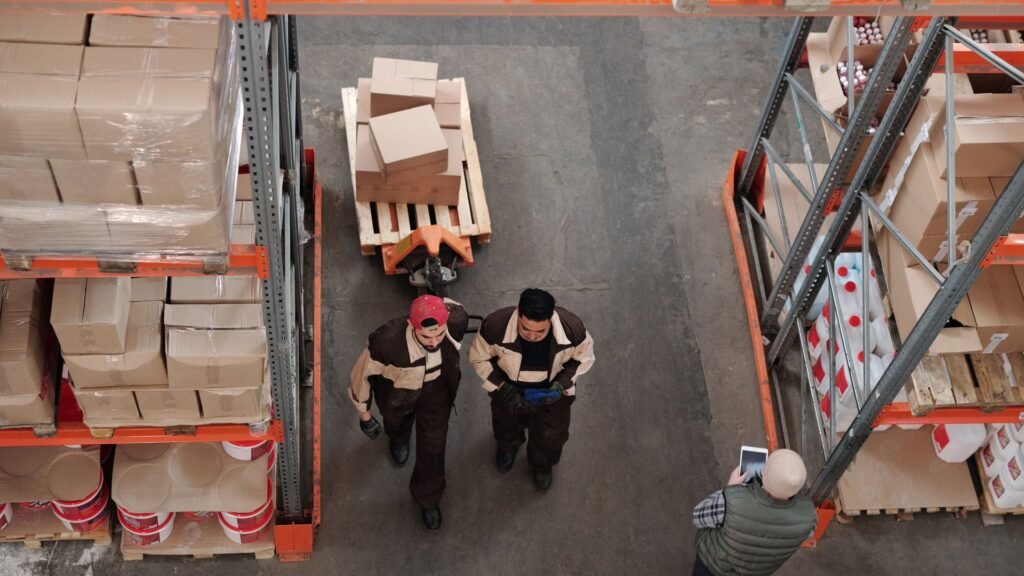
The pitch is surviving contact with reality. Destro’s proving ground is a Yusen Logistics cross-dock facility in the Pacific Northwest, where goods get unloaded from one truck and sorted into mixed loads for outbound trucks.
According to TechCrunch, Destro started there with three cart-moving robots from Miva Robotics. Humans unload the trucks into carts; the robots find the full loads and deliver them. The twist is who gives the orders: the humans, the carts, and the trucks are all directed by Destro’s Mothership system. “We make that operation less labor intensive, and we get away from the paper,” Rick Brunelle, director of automation for Yusen’s American logistics group, told TechCrunch. “Everything is now systematic.”
Here’s the part that matters more than the funding: Yusen talked to two other big-name robot startups first, and neither could fit the workflow. One could move carts point to point but not handle loading; the other’s fleet tools still needed a human to do the orchestrating. Destro won because it could direct the whole process — autonomously, end to end.
The pilot is now expanding from 3 robots to a full 26-robot deployment, with a second 17-robot pilot kicking off at Yusen’s Southern California facility. Founder Manthan Pawar — an NYU Tandon robotics master’s graduate with roughly eight years in US supply chains and robotics — plans to copy-paste the cross-dock workflow across thousands of similar warehouses. Pawar says the less-than-a-year-old startup is on track to be cash-flow positive by year end — the company’s claim, not audited financials.
Why This Matters: The Bottleneck Was Never the Robot
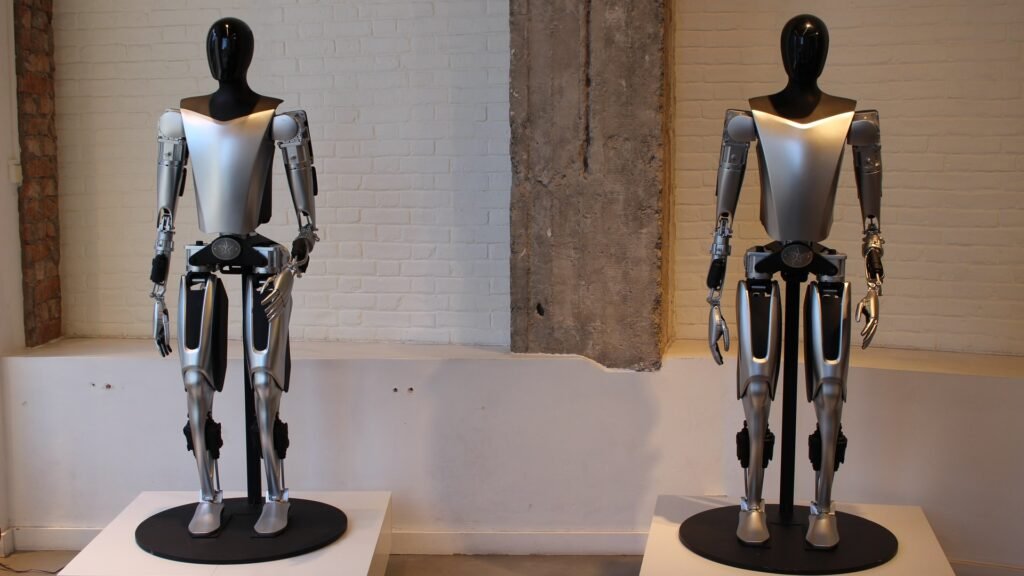
While the industry obsesses over humanoids, the man buying automation for roughly 30 US warehouses has yet to find a use case for a bipedal machine — he’s evaluating a wheeled one instead — and his verdict is blunt: “We’re not putting automation into a building just because the technology is interesting. It must solve a real operational problem.”
That’s Destro’s thesis, and why this round punches above its weight. Warehouse hardware has gotten dramatically more capable; the hard part now is getting mixed fleets from different vendors — plus the humans — to act like one workforce instead of expensive strangers. A vendor-neutral coordination layer already running in production, with a marquee logistics customer scaling it up, is exactly the kind of unglamorous software that turns robot demos into revenue.
The risks are real: dexterous manipulation work could be a wall, since generic robot bodies and open models haven’t proven themselves there, and the foundation-model giants may keep their best tools in-house.
Next test: TechCrunch Disrupt’s Startup Battlefield, October 13–15, where Destro pitches the non-robot robot company on stage.
Meanwhile in AI Tech: OpenAI GPT-6.1 pricing shakeup at DevDay
Meanwhile in Tech News: Trump’s White House AI meeting with tech CEOs